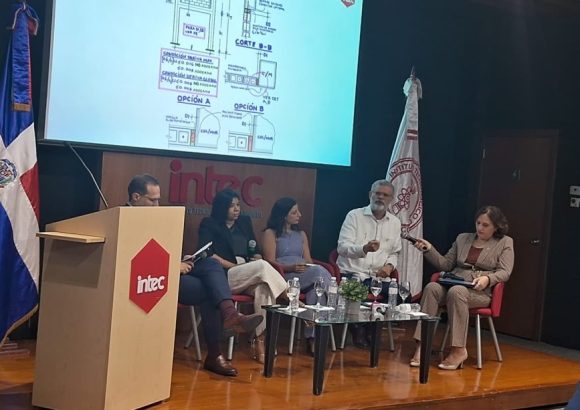
In a collaborative gathering focused on addressing critical natural hazard risks, leading professionals across structural engineering, disaster risk management, and the insurance sector have laid out a clear call for upgraded building safety regulations and expanded earthquake readiness across the Dominican Republic. The call to action came during the public forum titled “Seismic Vulnerability and Structural Safety in the Dominican Republic,” hosted by the Technological Institute of Santo Domingo (INTEC) with logistical and financial backing from global risk advisory firm MARSH and leading insurance provider MAPFRE.
The multi-stakeholder event created a shared space for academic researchers, insurance industry leaders, and infrastructure planning specialists to collectively assess the Dominican Republic’s exposure to seismic activity and outline actionable steps to boost the ability of buildings and critical public infrastructure to withstand major earthquakes. Unlike many niche academic events, this forum brought together cross-sector expertise that bridges research, practice, and risk financing, ensuring that proposed solutions address every stage of disaster preparedness from planning to recovery.
Two leading experts from INTEC, researcher Luis Abbott and geotechnical specialist Dr. Claudia Germoso, used their presentations to underline the urgent need for three core interventions: widespread mandatory assessments of existing structures to map current vulnerability, the mandatory adoption of earthquake-resistant design principles for all new construction, and consistent enforcement of current building code requirements to cut down on preventable damage and protect civilian lives when seismic events occur. They noted that many existing structures across the country were built without modern seismic safety considerations, leaving large populations exposed to unnecessary risk.
By the close of the forum, all participating stakeholders reached a unified consensus that proactive prevention measures, continuous investment in scientific research, expanded technical training for construction professionals, and investment in purpose-built resilient infrastructure are non-negotiable components of any strategy to improve the country’s ability to respond to and recover from future earthquakes. The event itself is part of a years-long initiative from INTEC to advance evidence-based disaster risk reduction and sustainable development across the Caribbean nation, through a combination of academic research, public education, and cross-institutional partnerships between academia, private industry, and public sector bodies.