A disturbing online advertisement offering a weeks-old infant green monkey for sale at $500 has ignited widespread condemnation from tourists and animal welfare advocates, who warn that the growing trade of baby primates for tourist photo opportunities is tarnishing Barbados’ global reputation as an idyllic paradise and relies on violent practices that harm or kill adult primates to separate infants from their families.
This latest controversy has pulled back the curtain on a hidden, cruel trade that has become increasingly common across Barbados’ popular coastal areas: wild primates are systematically captured, torn from their social groups and families, and exploited for quick profit, with handlers parading the infants on busy beaches and even public transit to charge tourists for photos. For long-time visitors and tour operators who bring thousands of travelers to the island each year, this explicit commercial listing has pushed frustration over unaddressed animal exploitation to a breaking point.
Speaking on condition of anonymity, a frequent Barbados visitor who organizes regular group tours to the island shared that the visible escalation of animal cruelty has caused deep distress among travelers who arrive expecting a peaceful, ethical tropical getaway. “I come to Barbados constantly, I bring hundreds of tourists here every year, and I love this island deeply,” the source explained. “But I have grown more and more disturbed by the open animal exploitation that visitors see everywhere now. The most shocking example is this listing for a baby monkey only a few weeks old, being sold for $500. An infant that young should still be with its mother. The only way this seller got this baby is by killing or forcibly separating the mother to take her child for profit. This is not conservation—it’s blatant exploitation, and it’s becoming far too common.”
The source added that while some casual tourists may not recognize the violence behind the photo opportunities, many returning visitors and industry professionals are well aware of the abuse, and the practice is starting to change how people view the island as a travel destination.
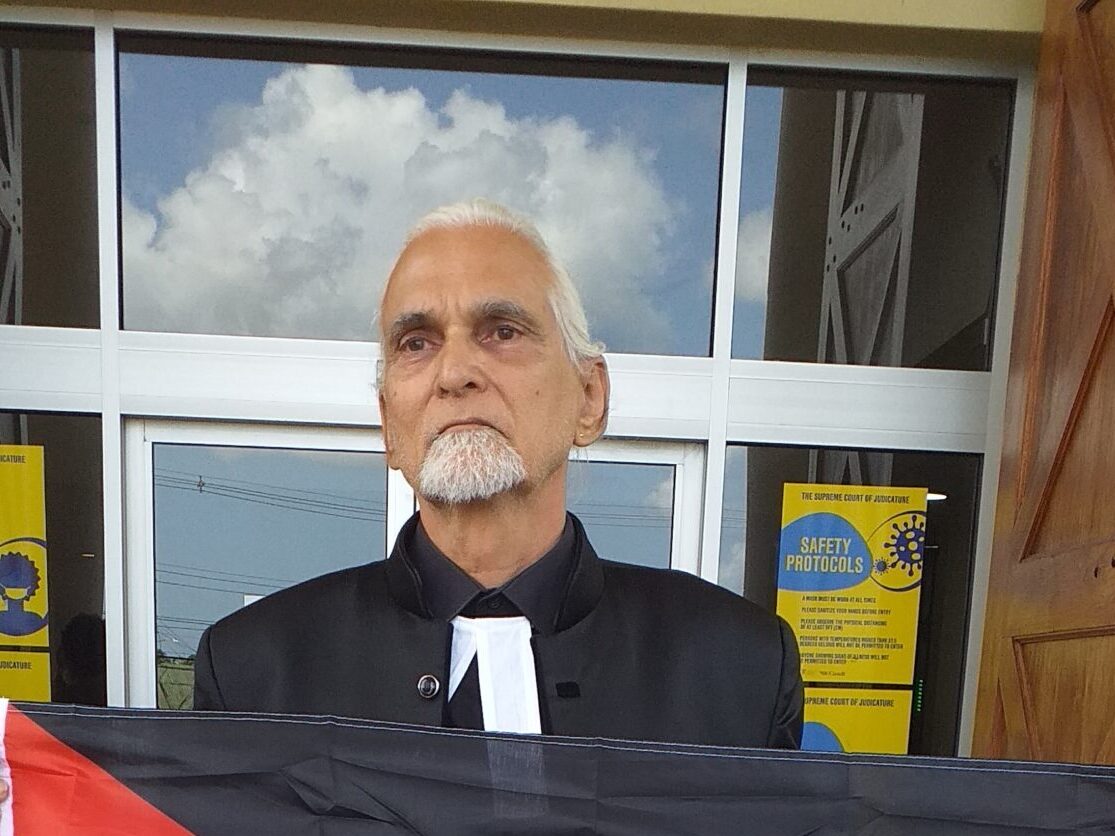
These concerns are echoed by Lalu Hanuman, a Barbadian attorney and prominent animal rights activist, who called the ongoing primate exploitation “horrendous and totally unacceptable.” Hanuman echoed the anonymous source’s assessment of the capture process, noting that obtaining an infant primate that young almost always requires killing or permanently displacing the mother. “I see these baby monkeys on the beaches all the time, leashed and forced to sit for photos with tourists all day in the hot sun, with no water, stolen from their families,” he told local outlet Barbados TODAY. “This is abuse, plain and simple, and it has to stop.”
Hanuman emphasized that while existing legislation has gaps, law enforcement already has the legal authority to crack down on this practice—if policymakers and enforcement agencies demonstrate the political will to act. “The online ad had contact information, so police can easily track down the person who posted it and bring charges,” he said.
Hanuman explained that Barbados’ animal welfare legal framework has evolved in recent years, but key flaws remain that have allowed exploitation to continue. The century-old Prevention of Cruelty to Animals Act, passed under the Owen Arthur administration, only extends legal protection to “tame animals or animals that exist for human benefit,” which explicitly excludes wild primates like green monkeys. Instead, authorities should use the 2023 Animal Health and Veterinary Public Health Act, which uses a far broader definition of protected animals that includes all terrestrial wildlife.
Even the new law has a notable drafting error that creates confusion: the legislation lists two different fine amounts for the same offense, $50,000 and $100,000, both paired with a maximum two-year prison sentence. Despite this ambiguity, Hanuman noted that even the lower penalty carries enough weight to serve as a deterrent and prosecute offenders aggressively.
When asked whether the open practice of primate exploitation on beaches and public transport means the activity has become normalized in Barbados, Hanuman pushed back on the idea that it is accepted by local communities, drawing a parallel to similar abusive tourist practices in other global destinations. “This is not normal here in Barbados, but it is a problem we see in many tourist spots around the world,” he explained. “I saw the exact same thing in Marrakesh, Morocco, where they dress baby monkeys up in clothes and charge tourists for photos. It’s abuse everywhere, and it’s illegal here under the 2023 law, so there’s no excuse for failing to prosecute.”
Hanuman added that recent setbacks for the animal rights movement have compounded the problem of institutional inaction. Leading local animal advocacy group Be Their Voice was forced to withdraw a High Court appeal over the drowning of a dog at Pebbles Beach after the state threatened the group with crippling legal costs. “It’s a real shame that Be Their Voice had to pull out of that appeal, because it was a critical opportunity to push for stronger enforcement of our animal welfare laws,” Hanuman said. “That setback makes it even more important that authorities act now on this primate exploitation case to send a clear message that animal cruelty will not be tolerated in Barbados.”