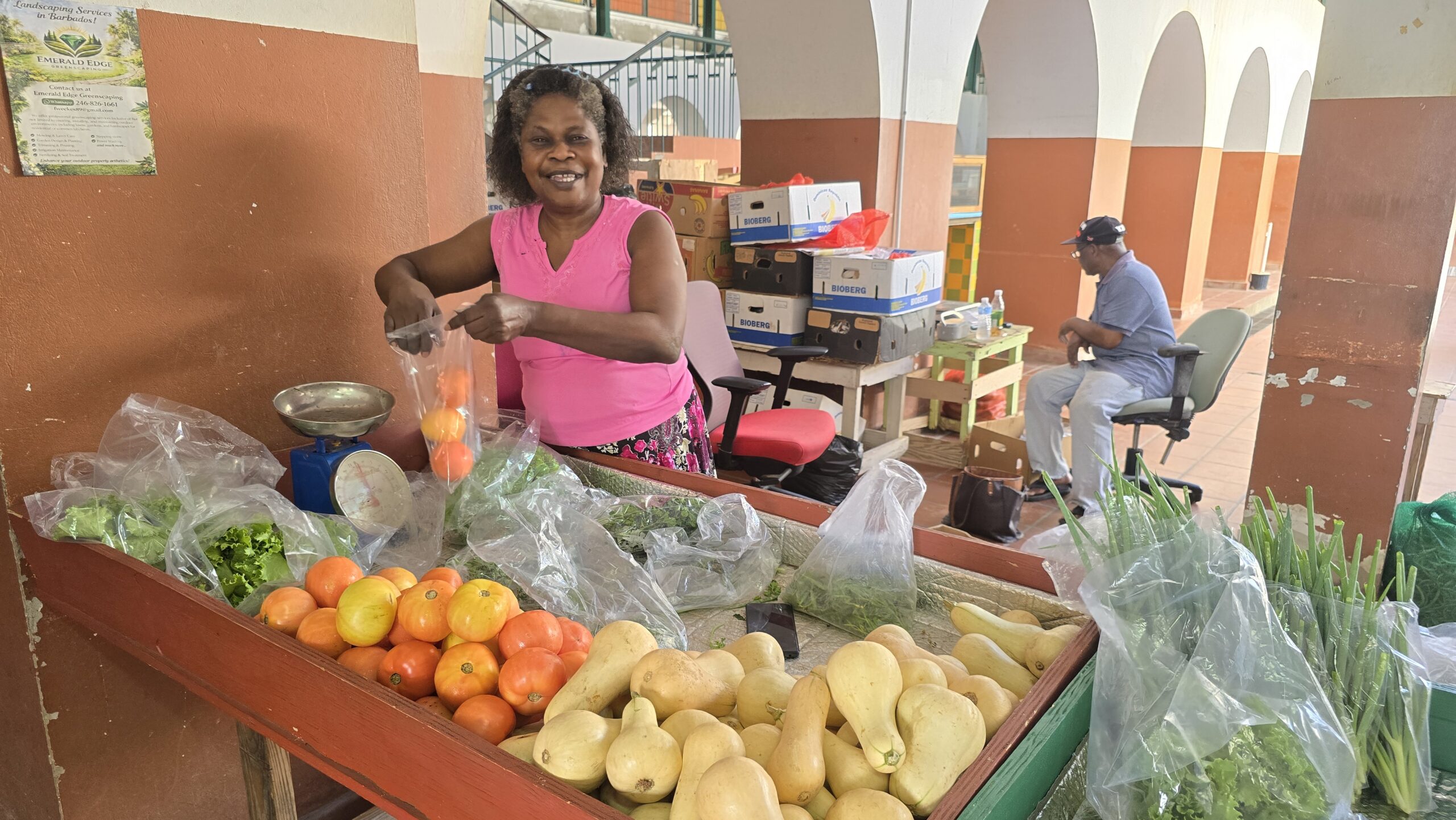
Nestled in the heart of downtown Bridgetown, Barbados, Cheapside Farmers’ Market carries the distinction of being the oldest continuous trading hub on the island, with a commercial history stretching all the way back to 1810. Today, a government-backed pilot initiative to overhaul the historic site into a fully organized, year-round indoor attraction is stirring heated debate among the market’s vendors, with some backing the plan as a long-overdue opportunity to boost trade, while others remain deeply skeptical given a string of past failed reforms.
The proposed transformation was first unveiled by Sherlock King, market manager for Barbados’ Ministry of Agriculture, during a public colloquium held this week. The project forms a core part of the ministry’s broader agenda to revitalize the country’s aging public market infrastructure and draw more locals and visitors to downtown commercial hubs.
Local outlet Barbados TODAY reached out to more than a dozen current Cheapside vendors to gauge their reaction to the plan, revealing a sharp divide in opinion. One vendor, originally from St. Vincent and the Grenadines, pointed to successful market overhauls in her home country and neighboring St. Lucia as evidence the plan could work in Barbados. She explained that after St. Vincent moved street vendors into purpose-built, year-round indoor facilities, sales rose dramatically for most participants, with well-maintained, clean stalls drawing far more consistent foot traffic. She added that the status quo sees many vendors only set up at the market on busy weekend days, leaving the indoor space largely empty midweek, a problem the new plan could resolve if all vendors cooperate with the new rules.
Not all vendors share that optimism, however. Another long-time vendor argued that outdoor vending remains a draw for many shoppers, a trend seen in open-air markets across the globe. They noted that even under the current setup, the indoor space only sees significant crowds on Saturdays, with midweek days seeing almost no activity inside the facility.
Despite their disagreement on the core relocation plan, both vendors agreed on two key changes that could boost foot traffic: adding regular entertainment and activities within the market space, and improving signage to guide visitors. In recent years, low customer volumes have pushed dozens of vendors to abandon their indoor stalls entirely, with many now using the indoor space solely for storage overnight while setting up their wares on sidewalks outside during trading hours. Better directional signs, the vendors argued, would help the many tourists that pass through the downtown area find food stalls, clothing vendors and other offerings that are currently invisible to most first-time visitors.
Roy, another long-time Cheapside vendor, said he supports the government’s effort to test new approaches but will reserve judgment until the plan is put into action. “I want to see it done, not just hear about it. If they’re ready to try something new, let them come down here and give it a go,” he said.
For Angela, another veteran vendor, past attempts at reform make her deeply doubtful the new plan will deliver different results. “They’ve been trying to make this work for decades, and every single attempt has failed. I don’t see why this time will be any different,” she said. She echoed the widespread observation that most current vendors use the indoor market only for storage, pulling their displays out to sell on the street every trading day. “Nobody wants to sell inside. We store our trays and benches here overnight, then take everything back out to sell on the sidewalk in the morning,” she explained.
Angela added that inconsistent cleaning and chronic slow midweek trade have further eroded indoor activity. Each Monday, the entire indoor space is power-washed, leaving surfaces wet and unsuitable for vendors to set up for most of the day, and from Tuesday through Thursday, only a handful of vendors bother to open inside. While she acknowledged the market would only reach its full potential if all vendors agreed to operate indoors full-time, she argued that the government would need to offer meaningful incentives to get vendors to agree to the change. Right now, she added, the market is operating well below its potential, which hurts full-time staff and overall operations for the site.
One vendor noted the plan could succeed if managed properly, drawing a comparison to the popular, vibrant Oistins Fish Fry, but argued that critical sanitation issues must be resolved first. “They say they want it to look like Oistins, but first we have a huge rat problem that needs to be dealt with, and that’s not going to be easy,” she said. Like many others, she said she will wait for the government’s final plan before making a decision, and will accept whatever outcome is agreed.
Cheapside Market takes its name from the historic trading district in London, and its origins stretch back to a period when Barbados was still a British slave colony. After an 1806 fire cleared the downtown area, and decades of informal street vending, the market was purpose-built in 1810 to let both enslaved and free Black vendors trade produce legally under cover from the tropical rain and heat. Over the centuries, the site has been expanded and modernized multiple times, including a major renovation in the early 20000s funded by a Chinese government grant.