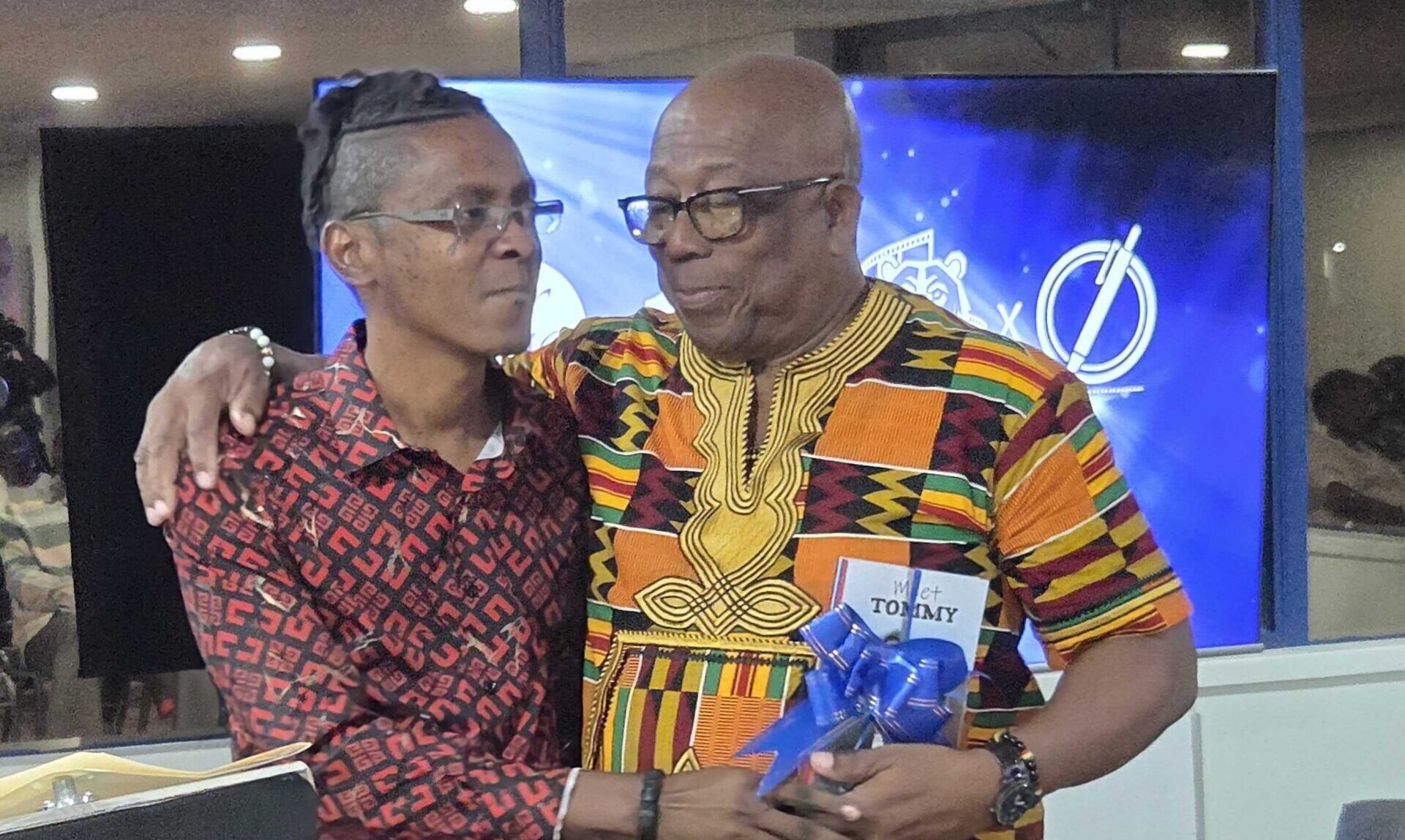
Barbados’ cultural and literary community is pushing for systemic government intervention to address longstanding financial barriers that have stifled the growth of homegrown creative talent, with the country’s Minister of Pan-African Affairs and Heritage Trevor Prescod leading the call for direct public funding to compensate emerging young authors for their work.
Prescod laid out his proposal during a recent public event marking the launch of *Meet Tommy*, the ninth published book from veteran Barbadian author Mario Herbert. In a direct address to local creators in attendance, the minister stressed that nurturing the island’s next generation of literary voices depends on more than just informal encouragement—it requires building structured financial pathways that allow writers to build sustainable, long-term careers from their craft.
At the core of Prescod’s plan is a policy shift that would see state institutions, particularly public primary education bodies, formally procure creative works from local authors to integrate into school resources. This institutional demand would create a reliable, consistent income stream for writers, eliminating the uncertainty that has forced many local creatives to abandon their literary work to pursue more financially stable careers.
“The ministry and the primary schools across this country must be able to say to Mario, ‘From this term, we want you to send books to the Ministry of Education or allocate them to the individual primary schools across Barbados. Send your invoices to the Ministry of Education,’” Prescod illustrated, framing the proposal as a small but transformative change to how public institutions approach procurement for the cultural sector. He emphasized that consistent state-backed demand would not only create immediate income for working writers but also secure long-term career viability for young people entering the literary field, adding, “We will not only talk about young people writing and selling this material within the primary school system, but we will make sure that you can continue on this journey for a long, long time.”
The launch event, which also drew attendance from Minister of People Empowerment and Elder Affairs Adrian Forde, offered Herbert a platform to highlight the very struggles Prescod’s proposal seeks to solve. Even with nine published works to his name, Herbert detailed the steep challenges that face Barbadian authors at every stage of their careers, starting with extremely limited retail access for local titles.
“Make no mistake, though; despite this joy, I have to say that being an author in Barbados is not easy,” Herbert shared. “Local bookstores don’t look at local authors. If not for the UWI (University of the West Indies) bookshop, most of us would have zero avenues for discovery, cultural impact, and preservation of heritage.”
Herbert also opened up about the creative process behind *Meet Tommy*, his newest children’s book centered on an eight-year-old protagonist. He explained that crafting a compelling, relatable story for young readers required authors to step fully into the perspective of their characters: “As an author, you have to develop the art of becoming a character. That is the only way you are going to make their dramatic journey believable and relatable. Many of the things we take for granted as grown-ups are actually major problems for an eight-year-old, and I have to say that was an enjoyable sandbox to play in.”
Despite the systemic barriers he faces, Herbert remains optimistic about his work, driven by the reward of seeing young readers connect with his physical books. He already has plans to expand the *Meet Tommy* series, following the title character through his journey from primary school to secondary education, continuing his contribution to Barbados’ growing literary heritage.