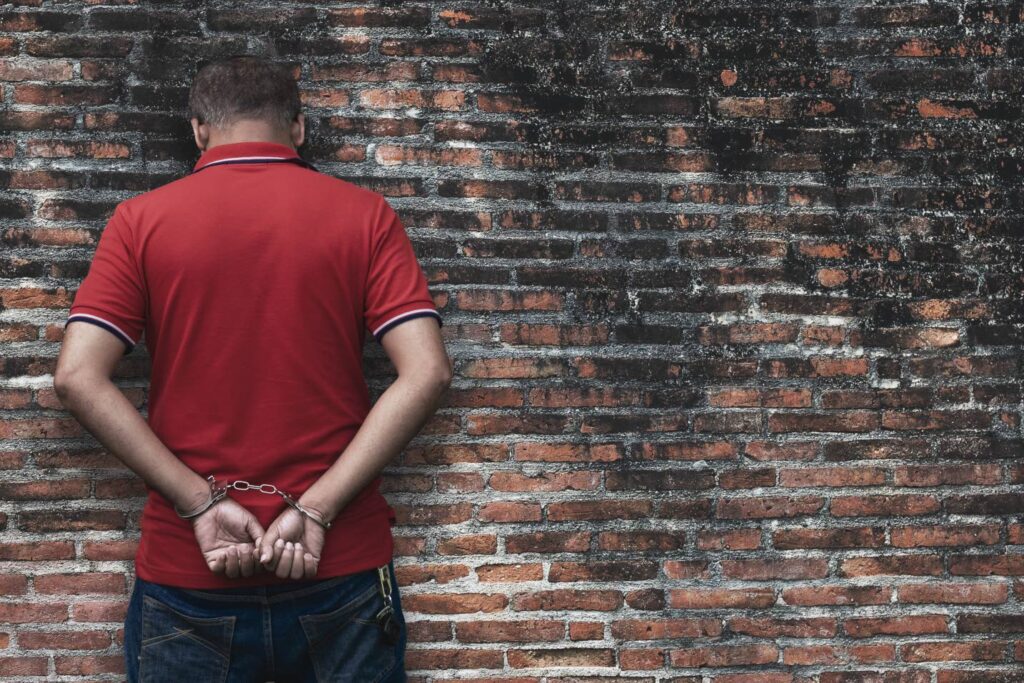
Ahead of the global observance of Father’s Day on June 21, a senior Jamaican correctional services chaplain is sounding a urgent call to action for Jamaican men to embrace active, consistent parental roles, after first-hand conversations with incarcerated juveniles revealed a stark connection between absent fathers and youth offending.
Reverend Dwayne Nelson, who serves as chaplain for Jamaica’s Department of Correctional Services, shared that nearly 30 percent of the young people he counselled at youth correctional facilities across the island openly linked their incarceration and behavioural struggles to growing up without a present father. His on-the-ground findings align with established regional and international research that confirms children growing up fatherless are 11 times more likely to engage in criminal activity than their peers with involved fathers.
Over the course of his work, Reverend Nelson has held confidential counselling sessions with around 69 young people aged 13 to 17 held in Jamaican youth correctional institutions. In almost every discussion about the root of their harmful choices and life struggles, the absence of a positive male paternal figure emerged as a core contributing factor.
“When we talk about their families, they will freely mention their mothers, but when I ask about their fathers, the responses are almost always the same: ‘I don’t have a father,’ ‘My dad isn’t around,’ or ‘He never did what he was supposed to do for me,’” Reverend Nelson explained in an interview with the Jamaica Observer. “One young inmate put it plainly: if his father had been present in his life, he would never have ended up locked up in this place.”
Many youth living solely with their mothers told the chaplain they committed offences specifically because the father’s financial and emotional void left the family struggling, pushing them to turn to criminal activity to provide for their moms and younger siblings. For boys, without a father to model healthy masculinity and set boundaries, many fell prey to outside negative influences that normalized crime and violence. For girls, the impact follows a different but equally damaging pattern: many said the lack of a father’s love and validation led them to seek approval from older men, often drawing them into harmful relationships and dangerous social circles that led to legal trouble.
Reverend Nelson emphasized that while countless single mothers work tirelessly to raise their children alone, a mother cannot fully replace the unique role a father plays in a child’s life. He argued that forcing women to take on both parental roles often stretches them too thin, undermining their ability to deliver both the nurturing care they naturally provide and the structured guidance that a father typically brings.
Beyond calling on biological fathers to show up more consistently for their children, Reverend Nelson is also urging all Jamaican men of strong character and positive values — whether they are fathers themselves or not — to step into mentorship roles for fatherless young people. He notes that vulnerable youth are actively craving male guidance, and consistently respond with openness and gratitude to any man willing to invest time in them.
“These young people are desperate for a father figure, so they almost never push away positive male attention. They want to hear from men, they long for that guidance,” he told the Sunday Observer. “You can help them channel their pain from abandonment into a drive to build a better life, so that when they have their own children one day, they can be the involved parent they never had. Even when they don’t say it out loud, their actions show how much they appreciate the support: they’ll seek you out to talk, ask for prayer, or want to spend time together. There is still so much hope for these kids.”
Quoting iconic American evangelist Billy Graham, Reverend Nelson closed by reinforcing the underrecognized value of fathers across society. “A good father is unsung, rarely praised, and often goes unnoticed, but he is one of the most valuable assets any community can have,” he said. “We often give mothers far more visibility and appreciation for their daily work, but fathers play an irreplaceable role in shaping safer, stronger societies. Following the biblical teaching that if you train a child in the right way, they will never stray from it when they grow old, a father’s involvement is one of the most powerful tools we have to deter children from crime and help them unlock their full potential. I urge every father to show up for your kids — your involvement can change not just your child’s life, but transform our entire society for the better.”