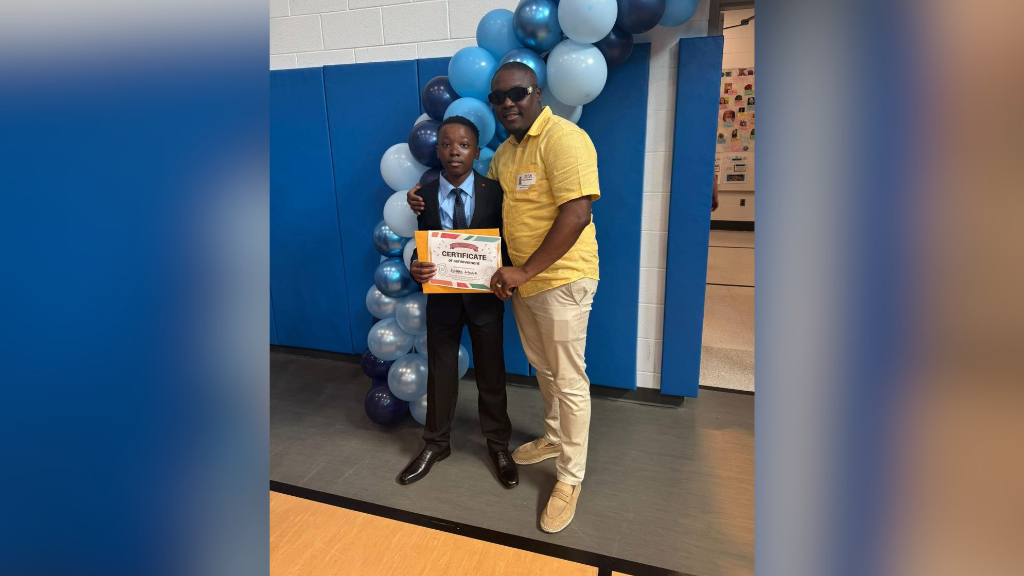
KINGSTON, Jamaica — As the country prepares to mark Father’s Day on June 21, a quiet but profound cultural shift is reshaping understandings of what it means to be a father across Jamaican households and communities. No longer limited to the traditional role of primary breadwinner, modern fatherhood in Jamaica increasingly includes emotional engagement, daily caregiving and consistent, intentional presence even amid the pressures of work and life.
Three Jamaican fathers from different professional backgrounds and age cohorts are illustrative of this changing landscape: 58-year-old Gerald Miller, a health promotion and education officer at the Westmoreland Health Department; 58-year-old Kavanaugh Campbell, a technical officer at the Jamaica Information Service; and 33-year-old Dr. Daren Johnson, a senior advisor and consultant for the Government of Jamaica. For all three men, fatherhood is far more than a one-day annual celebration — it is a lifelong commitment that stands as one of the most meaningful contributions a man can make to his country’s long-term growth.
Dr. Johnson, a younger-generation father from Middle Buxton, St. Ann, has centered active presence as the core of his parenting philosophy. Though he balances multiple high-demand professional roles — including senior government advisor, immigration advocate, college professor and school board chair — he says no title holds more meaning for him than that of “father.” He welcomed his son S’Wayne when he was 22, an experience he describes as the most defining event of his entire life.
“Before S’Wayne, ambition was all about me. Now every decision passes through one question: what does that build for him?” Dr. Johnson explained. Fatherhood, he added, has transformed his character, making him more patient, more purpose-driven and far less self-centered with his time. Even with a packed schedule, he prioritizes small, daily moments with his son: checking in on his school life, traveling together, listening to music, and turning ordinary interactions into opportunities to teach life values. On multiple occasions, he has turned down lucrative professional assignments or left key engagements early to honor his parenting responsibilities.
“Opportunities come back around, but you only get one chance at the moments that shape a child,” he noted. Dr. Johnson hopes to instill faith, integrity, humility and pride in his son’s cultural roots — and he prioritizes modeling these values rather than just speaking about them, well aware that children learn more from parental action than words. He also has an urgent message for fathers who are disconnected from their children: “find your children, give them a little love. Try to make the communication start from there.”
As Jamaica gathers to honor fathers this year, the stories of these three men highlight a national move away from the outdated, narrow framing of fathers as only financial providers toward a fuller, more holistic vision of fatherhood that values emotional investment and active involvement in children’s daily lives.