As Barbados moves forward with plans to reshape primary education assessment ahead of a 2026 launch, the Barbados Union of Teachers (BUT) has sounded a critical alarm: the sweeping reform could place unmanageable new financial burdens on education institutions already grappling with critical resource shortages. The union’s leadership is pressing the Ministry of Education Transformation for clear answers on how the government will fund the ambitious transition.
The proposed changes, currently the subject of ongoing public and stakeholder consultations, are designed to replace the country’s long-standing model of relying on a single high-stakes exit exam for primary school students transitioning to secondary education. Starting in September 2026, the new framework will spread assessment across the final two years of primary school (Class Three and Class Four), splitting grading evenly between continuous in-school assessment and a standardized external exam. Education officials argue the shift will give students more opportunities to showcase their diverse skills, moving beyond the narrow measurement of a single three-hour test to evaluate learners’ growth and abilities over time.
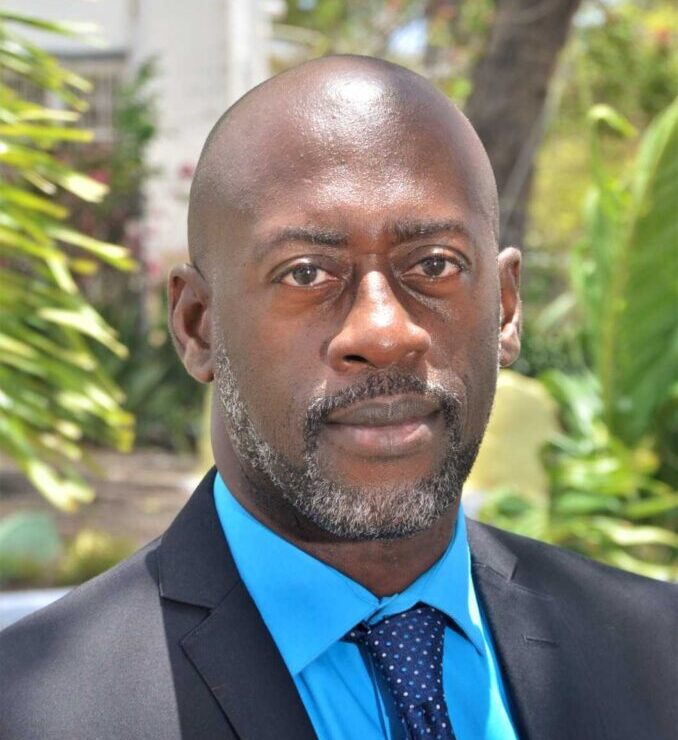
While BUT President Rudy Lovell acknowledges that the reform’s core goals are well-intentioned and could ultimately deliver benefits to students if executed properly, he emphasizes that transformative change cannot survive on policy vision alone. In an interview with Barbados TODAY, Lovell laid out the stark realities facing most of Barbados’ primary schools: many already operate with severe resource constraints, forcing classroom teachers to routinely cover the cost of basic supplies, teaching aids and learning materials out of their own personal salaries.
Under the new framework, project-based learning will play a central role in continuous assessment — a model that requires extra materials, upgraded technology, expanded research access, flexible learning spaces and infrastructure to support collaborative student work. Beyond material costs, Lovell notes that continuous assessment also places far greater demands on teachers, requiring additional lesson preparation, specialized professional development, extensive ongoing record-keeping, and consistent cross-school coordination to ensure grading fairness and consistency.
Against this backdrop, Lovell says policymakers have failed to address the most pressing question: where will the funding come from to support implementation. He has called on the ministry to confirm whether schools will receive increased budget allocations to purchase the materials needed for project-based learning, and whether dedicated funding will be allocated to eliminate the out-of-pocket costs that teachers currently bear. He stresses that education transformation should never force educators to take on extra work without the tools and resources they need to succeed, nor should it put students from underfunded schools at a disadvantage simply because their institution lacks the capacity to roll out the new framework.
“ If Barbados is serious about transforming education, then funding must be viewed as a central pillar of reform rather than an afterthought,” Lovell said. “ Policymakers must ensure that every school, regardless of size or location, has the resources necessary to deliver the new curriculum and assessment framework successfully.”
Teachers across the country are also waiting for clear, timely clarity on how these additional demands will be addressed as the 2026 launch date approaches, Lovell added. “ As the nation considers these significant changes, teachers deserve clear answers regarding how the Ministry plans to address the increased demands on schools and ensure that adequate funding accompanies this new initiative,” he said.
A spokesperson for the Ministry of Education Transformation told Barbados TODAY that the union’s concerns have been formally noted, and consultations with stakeholders remain ongoing through town halls and other community engagements. Once the consultation period concludes and all submitted feedback has been reviewed and analyzed, the ministry will issue a comprehensive public response to address raised concerns.
The reform is on track to launch with the cohort of students entering Class Three in September 2026, who will become the first group of learners assessed under the new framework. The current Class Three cohort will remain the final group to complete the transition under the existing single-exam model.