Against the backdrop of an incoming Atlantic hurricane season, a senior Jamaican faith leader has amplified a pressing demand for the national government to extend formal state funding to faith-based social outreach initiatives and formally integrate churches into the country’s national disaster response infrastructure.
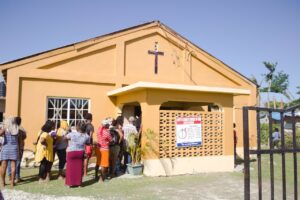
Pastor Dr Donville Bell, chairman of the Word Power Ministry Board, laid out this call to action during the 18th annual Word Power Conference, hosted Saturday in St Catherine, where he highlighted the underrecognized, frontline role faith institutions have long played during national crises across the island.
The Atlantic hurricane season officially launched on June 1, and forecasters have already projected that 2024 could bring another above-average, highly active season of storm activity. Bell stressed that despite a long track record of churches stepping in as critical first responders when disaster strikes, these trusted community institutions are routinely sidelined when emergency resources and formal planning are distributed.
“Long before displaced or crisis-stricken families can reach a government service agency, the local church is their first point of contact,” Bell told conference attendees. “In moments of chaos and uncertainty, people turn to the faces and institutions they know and trust. For the vast majority of Jamaican communities, that trusted anchor is the church.”
Bell pointed to the widespread devastation left by Hurricane Melissa as a clear case study of the irreplaceable work churches carry out. When entire communities were reeling from the storm’s destructive impact, faith institutions across affected regions opened their facilities as emergency shelters, distributed food and essential care packages, served thousands of hot meals, and provided much-needed emotional and spiritual counseling for families grappling with trauma and the loss of homes and property.
“When Hurricane Melissa displaced hundreds of residents, the church acted without hesitation,” Bell recalled. “We formed informal partnerships with state agencies and local community groups to meet overwhelming need, but all too often, churches are expected to deliver this life-saving compassionate work without the sustained financial support or core resources required to scale these efforts.”
Beyond disaster response, Bell noted that faith-based organizations have been competent, long-standing partners to the state in addressing a wide range of persistent social challenges, from deep-rooted poverty and community violence to youth delinquency, family breakdown, and ongoing social support. Yet despite the consistent government reliance on churches to deliver frontline community services, these institutions are frequently locked out of formal state funding streams and national disaster preparedness frameworks.
“The government regularly calls on churches to back national social initiatives and community programs, but many congregations are expected to do this work with extremely limited resources, and in some cases no public funding at all,” Bell explained. “While we are deeply honored to serve our neighbors, even the most devout among us know it takes resources to provide consistent care. This work has grown even more difficult in recent months, as churches face spiking utility costs at the same time they are supporting local families grappling with steep cost-of-living increases. We have to end the unfair practice that directs the vast majority of social assistance funding to other local development partners, and instead ensure faith institutions have the adequate resources they need to keep serving on the front lines of community care.”
Bell is calling on Jamaican policymakers to move quickly to formally add faith-based organizations to the country’s official hurricane preparedness and disaster management frameworks, ahead of what could be a damaging storm season.
“We currently collaborate ad hoc with Municipal Corporations and the Social Development Commission when disaster strikes, but we need a formal seat at the table every time the country plans for natural hazards like hurricanes,” Bell said. “Integrating faith institutions into preparedness planning from the earliest stages will strengthen overall community resilience, improve emergency response outcomes, and reinforce social support systems in vulnerable neighborhoods year-round. It’s time to turn this long-overdue change into action now.”