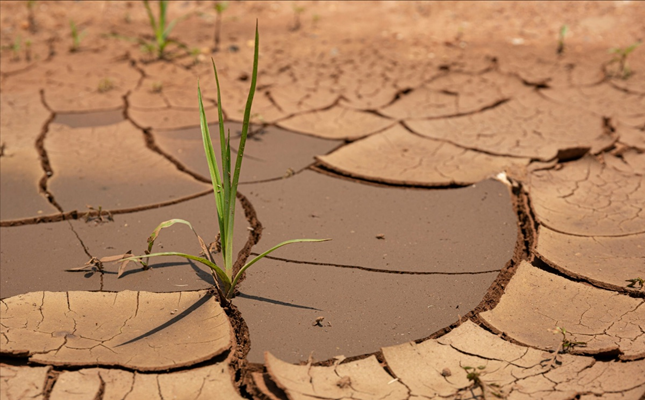
BASSETERRE, Saint Kitts – On May 26, 2026, meteorological authorities issued an official drought warning for the Federation of Saint Kitts and Nevis, after long-term monitoring and climate projections confirmed a high likelihood of sustained below-average rainfall through the upcoming critical wet season.
Senior Meteorological Officer Elmo Burke announced the warning in an official press release from the St. Kitts and Nevis Information Service (SKNIS), calling for immediate action from residents, commercial operations, and all water-reliant industries across the two-island nation to implement proactive water conservation measures.
Burke explained that cumulative rainfall across the federation has already trailed long-term climatological averages over the past several months. Current climate modeling adds to concerns, as forecasts show the upcoming wet season – which aligns with the annual Atlantic Hurricane Season and delivers the majority of the country’s annual freshwater supply – will also bring far less precipitation than historical averages.
The shift toward drier conditions is directly tied to the ongoing El Niño climate phenomenon, which is reshaping regional weather patterns across the Caribbean, Burke noted. El Niño is projected to push above-average temperatures across the region through the summer months, while suppressing convective rainfall activity that would normally generate steady wet-season precipitation, leading to prolonged dry spells.
“The wet season is when Saint Kitts and Nevis captures most of its annual rainfall to replenish our rain-fed water reserves,” Burke said. “A substantial drop in precipitation during this key window would put significant strain on available freshwater supplies across the federation.”
While Burke acknowledged that isolated heavy rainfall events from passing tropical systems remain possible over the course of the season, the overall long-term trend points to confirmed below-average cumulative rainfall for the period as a whole. To mitigate the risk of severe water shortages, Burke stressed that early preparation and consistent conservation are far more effective than reactive measures once drought conditions set in.
“Every sector, from households to local businesses to agricultural and tourism operations that depend on steady water access, needs to adopt water-saving practices now to cut down on unnecessary waste,” he added. “Early action is the single most critical step we can take to help the country get through this extended dry period.”
The Meteorological Services Department will maintain continuous monitoring of regional climate conditions, and will issue public updates to adjust forecasts or guidance as new data becomes available.