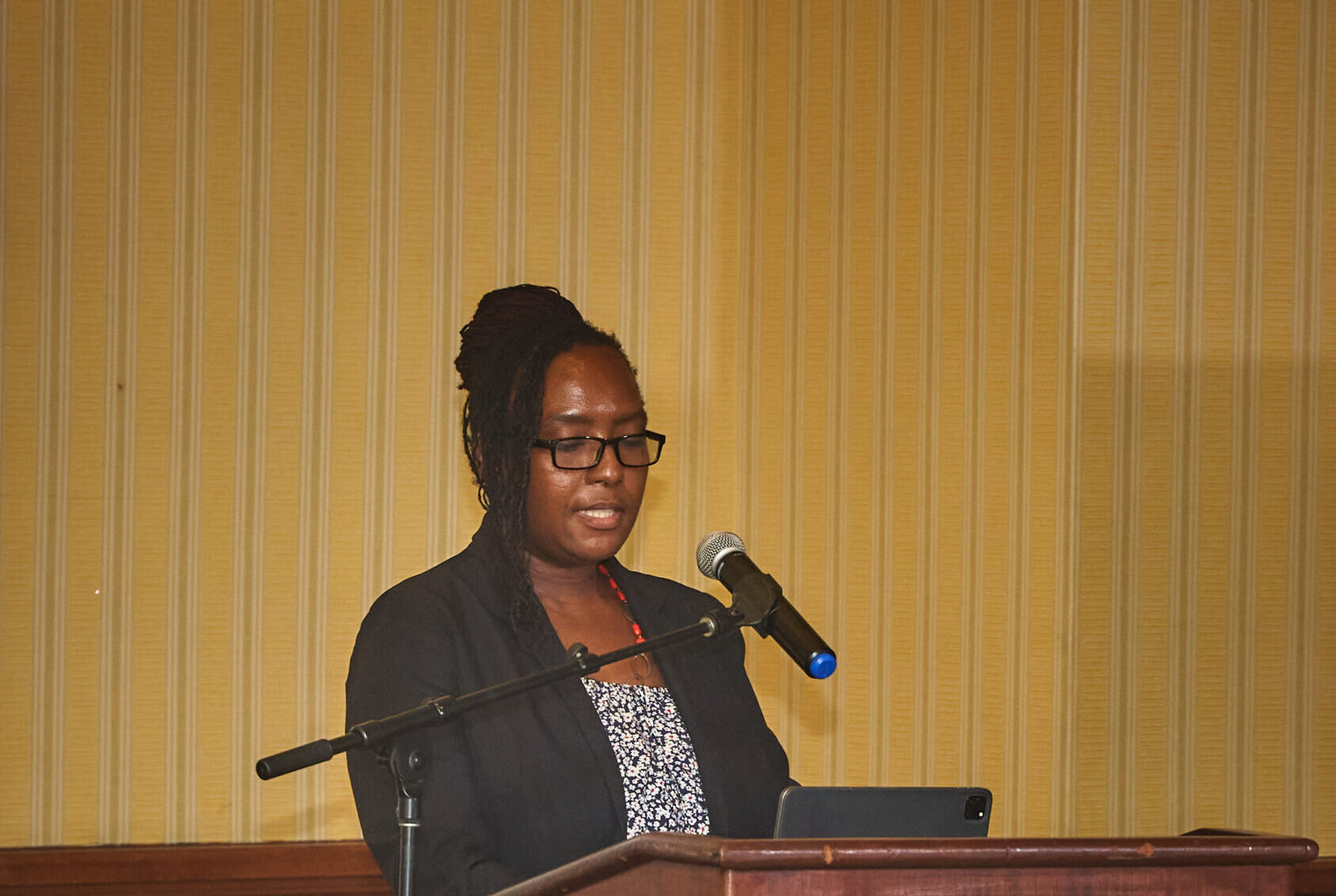
At the opening of a vibrant Africa Day cultural celebration hosted at Solidarity House, headquarters of the Barbados Workers Union, a top Barbadian culture leader has issued a renewed call for intensified efforts to help the country’s population — especially younger generations — build a more profound connection to their African ancestral roots. Michelle Maynard, Deputy Permanent Secretary in the Ministry of Culture, delivered the address on Wednesday on behalf of Trevor Prescod, Minister in the Prime Minister’s Office with oversight of Pan-African Affairs and Heritage.
During her remarks, Maynard emphasized that the Barbadian government has long centered culture and heritage as foundational pillars for advancing public education, strengthening national cohesion, and driving inclusive national development, rather than framing these areas as mere nostalgic reflections on the past. “As a government, we recognize that culture and heritage are not simply about the past, they are powerful tools for education, national development, unity, and transformation,” she stated in her opening address.
To advance this goal, Maynard outlined that the government is rolling out a range of targeted initiatives to expand access to ancestral education for young Barbadians. These include annual Africa Day commemorations, the ongoing Season of Emancipation programming, academic education partnerships, and cross-cultural exchange programs, all designed to create accessible opportunities for youth to explore their ancestry and clarify their personal and national identity.
“Our overarching goal is to build a country that stands confident in its heritage and is unapologetically proud of its people,” Maynard told attendees of the cultural extravaganza. She went on to reframe Africa Day as far more than a one-off cultural festival, positioning the annual observance as a critical collective reminder of the origins of the Barbadian people, the centuries of struggle endured by their African ancestors, the extraordinary resilience those ancestors demonstrated, and the enduring cultural legacy they passed down to modern generations.
“Every core part of our national life bears the unique, indelible imprint of Africa,” Maynard explained. “The rhythms of our native music, the distinct flavor of our traditional cuisine, the extraordinary resilience that defines our people, our shared spirituality, our colloquial language, our vibrant artwork, and our most cherished community traditions all trace back directly to African roots.”
She stressed that this deep ancestral connection makes intentional heritage education an urgent priority for Barbados, particularly for young people who have grown up exposed to harmful narratives that misrepresent African cultural practices. “Too often, unfair negative stereotypes are attached to core parts of our culture, whether it be our traditional hairstyles, our music, our food, our language, or our art,” she noted. “Africa Day gives us an important annual opportunity to present a true, powerful portrait of African culture — one that is rich, creative, vibrant, and full of life.”
Maynard added that accurate, accessible education about African history and heritage is a transformative force that can reshape how Barbadians view themselves and one another. “I believe strongly that our young people must not only know the full history of their roots, but also feel deep pride in that history,” she said. “Understanding where we come from gives us collective confidence, clear direction, and a deeper appreciation for who we are as a people.”
“When we learn the unfiltered truth about Africa and its countless invaluable contributions to global civilization, we begin to step away from harmful stereotypes and outdated misconceptions, and move toward a greater sense of national pride, mutual respect, and cross-cultural understanding,” she concluded.