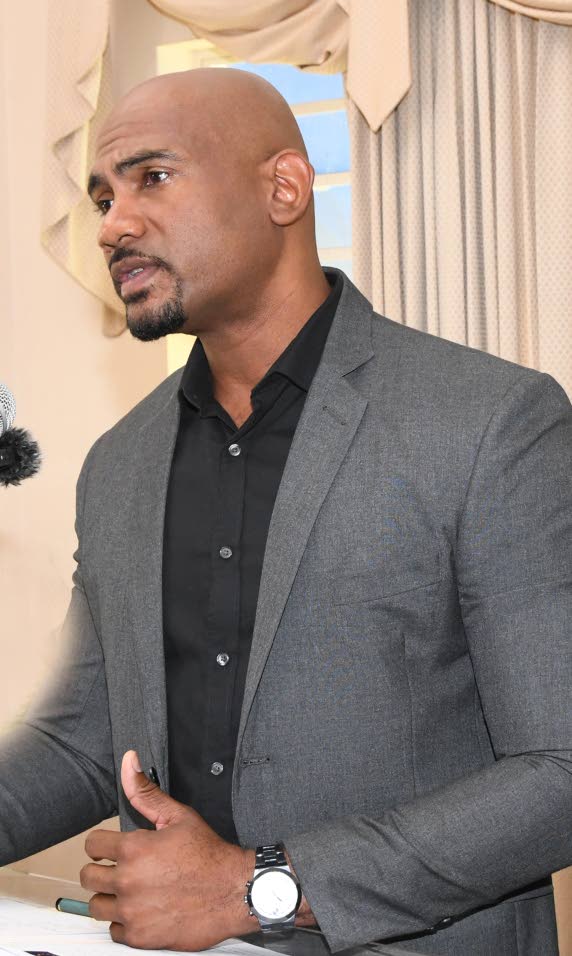
In an impassioned address during Tuesday’s sectoral debate in Jamaica’s House of Representatives, Opposition health and wellness spokesperson Dr. Alfred Dawes has delivered a stark wake-up call to the nation, arguing that a growing “spiritual death” among Jamaicans is eroding the country’s core capacity for compassion and empathy toward its most vulnerable populations.
Dawes framed Jamaica’s most pressing social struggles—from persistent violence to deep-seated inequality and rising division—as extending far beyond physical and mental health crises, rooted instead in a widespread collapse of collective spiritual well-being, what he calls the overlooked final pillar of overall public health. “I fear that we are losing our humanity because we have ignored the existence of our spiritual health,” he told lawmakers.
Opening his reflection on the topic with reference to a recent high-profile fatal shooting that sparked national outrage, Dawes called out the violent incident that claimed the life of Latoya “Buju” Bulgin in Granville, St. James on Sunday. Footage of the shooting, which saw Bulgin shot dead by police and her body dragged from her vehicle by the feet like an animal carcass before being dumped into a police van, circulated widely across social and traditional media, shocking communities across the island. While Dawes acknowledged the need to allow due process to run its course, he emphasized that the incident laid bare a broader loss of moral bearing among those involved: “we all know what we saw, [and] what we saw was one woman losing her life and several men losing their humanity.”
From that incident, Dr. Dawes expanded his critique to systemic patterns of desensitization across Jamaican society. He argued that growing political polarization has pushed many Jamaicans to set aside core moral values to prioritize partisan loyalty, with many now willing to excuse exploitation, abuse, and systemic inequality simply to uphold their political collective. “We have become polarised by party politics so much that some would defend the exploitation and abuse of others because our core desire to be a part of the party collective is greater than our God-instilled desire to defend the vulnerable,” he said.
The spokesperson also targeted deepening class divisions and systemic social prejudice that dehumanize marginalized Jamaicans based on where they live, the color of their skin, and their economic status. By rationalizing this bias and reducing whole groups of people to “lesser beings,” Dawes said, Jamaicans are actively undermining their own collective and individual spiritual health.
This spiritual rot, he added, does not only impact marginalized communities. Many outwardly successful Jamaicans, he noted, have become emotionally and spiritually disconnected from the suffering of people around them, prioritizing personal gain over collective good. “Too many Jamaicans are physically fit, mentally stable, but spiritually dead inside because they choose selfishness over service, prosperity over philanthropy, and politics over the people,” he explained.
Dawes connected this national spiritual decline to broader failures across Jamaica’s public health system and social infrastructure, pointing to ongoing crises that have been left unaddressed by authorities: patients forced to sleep on cold hospital floors for lack of beds, and communities still grappling with unmet recovery needs nearly a year after Hurricane Melissa hit the island in October 2023. These systemic failures, he argued, are a direct reflection of the nation’s lost spiritual compass.
To reverse this decline, Dawes called on Jamaicans to set aside narrow self-interest in favor of a unifying national purpose: lifting up the hopeless, amplifying the voices of the unheard, and dismantling the broken system that allows poor people to suffer while billions in public funds are misallocated or go missing.
Even amid his grim assessment of the country’s current state, Dr. Dawes ended on a note of cautious hope, affirming his belief that Jamaicans still hold the innate compassion and resilience needed to turn the tide. Closing with a direct message to Jamaicans enduring ongoing hardship, he said: “To the patients sleeping in the emergency rooms tonight, don’t fret too much, because better will come. To the family praying for an ICU space, hold the faith, because better soon come.”