Against a backdrop of intensifying climate-fueled natural hazards, shifting global geopolitics, and dwindling international financial support, Caribbean nations are launching a complete overhaul of their 10-year regional disaster management framework. The shift comes after hard lessons learned from the widespread destruction of Hurricane Melissa, pushing regional authorities to abandon the long-held focus on post-disaster recovery and adopt a proactive pre-event planning model.
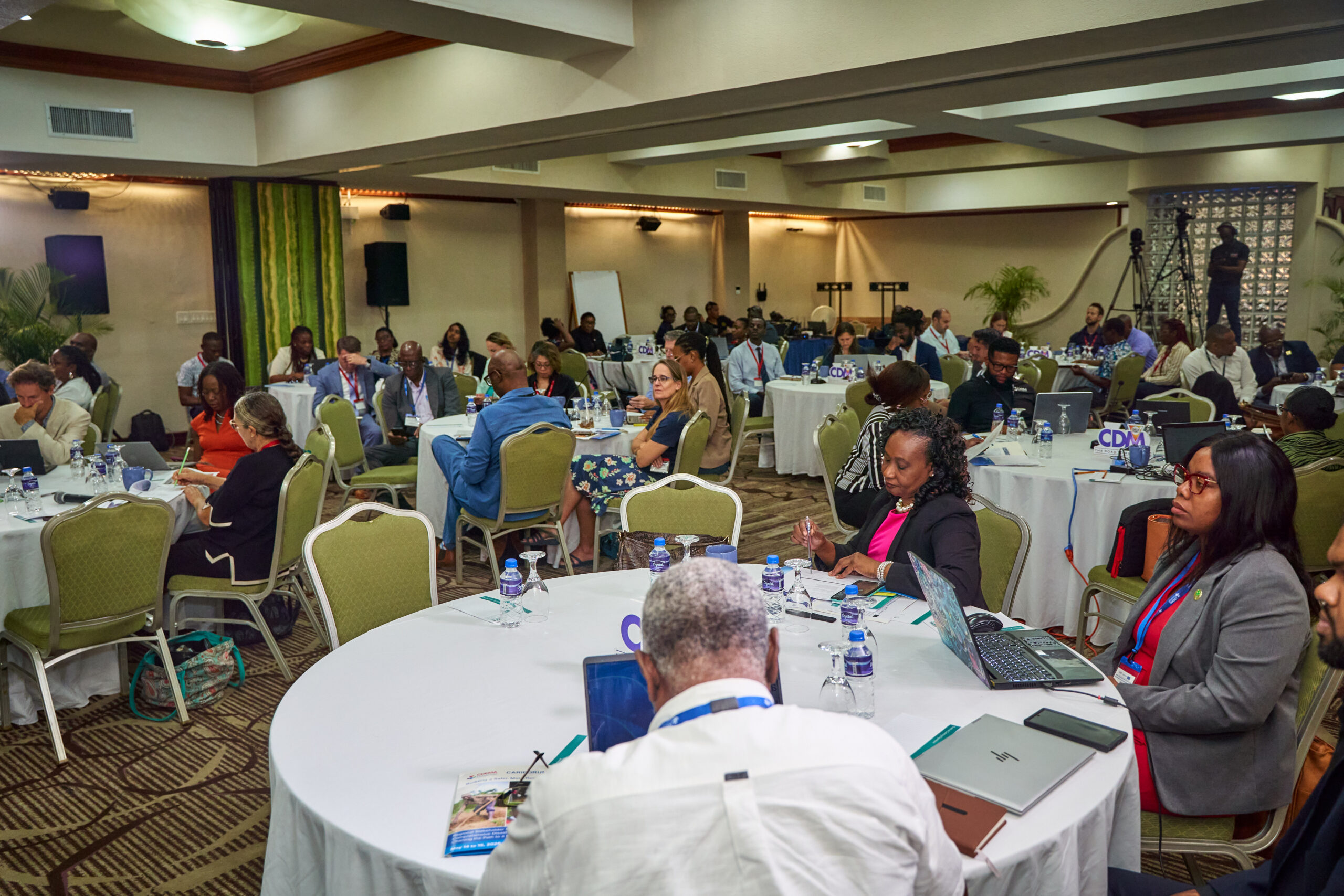
Over two days of intensive consultations held at Barbados’ Accra Beach Hotel & Spa, representatives from the Caribbean Disaster Emergency Management Agency’s (CDEMA) 20 member states gathered to revise the Comprehensive Disaster Management Strategy, a foundational policy first rolled out in 2014. CDEMA Executive Director Elizabeth Riley explained in an interview with Barbados TODAY that the original framework is no longer fit for purpose, as both hazard patterns and global operating conditions have transformed dramatically over the past decade.
“We recognise that since the start of this iteration of the strategy in 2014, there have been a lot of changes,” Riley noted. “These changes have been related to the hazards themselves, which have become a lot more complex, but also related to the geopolitical environment, which has become a lot more challenging.” Climate change stands as one of the most transformative drivers, Riley confirmed, linking rising global temperatures to a sharp uptick in both the frequency and severity of destructive weather events across the Caribbean. Compounding this growing risk is a steady decline in international funding earmarked for regional disaster management programs, stretching already thin national and regional budgets even further.
One high-priority emerging issue being integrated into the updated strategy is disaster-induced human displacement, a crisis that has become far more common in recent years. Riley pointed to two recent major events that underscore the urgency of this challenge: Hurricane Melissa, which displaced thousands of residents in Jamaica, and the 2021 eruption of the La Soufrière volcano in St. Vincent and the Grenadines, which forced roughly 20,000 people to flee their homes. “This is a feature we’re seeing a lot more frequently, and we’re discussing how do we integrate these types of issues now into our planning,” she said.
A core focus of the regional workshop was reimagining disaster recovery systems, with Riley emphasizing that the region can no longer afford to develop recovery plans only after a catastrophe hits. Instead, she argued, all member states need to have detailed, actionable recovery frameworks in place well before storms or other disasters make landfall. “We’re discussing modalities by which we can better assist countries to prepare for the recovery processes ahead of time and ensuring that that is treated not after the actual disaster takes place,” Riley explained.
Hurricane Melissa, which swept through the Caribbean recently, provided a critical real-world test of existing regional coordination and response protocols, Riley said. In March, CDEMA assembled a cross-regional after-action review to assess the performance of the agency’s response mechanism, with a particular focus on strengthening coordination with new international humanitarian partners operating in the region and streamlining emergency logistics support.
Riley also highlighted the successful first deployment of the CDEMA-World Food Programme logistics hub, which launched in Barbados in 2023, during the Hurricane Melissa response. “We reviewed how the operations of that hub went forward, the timeliness of the support, and the type of logistics support provided,” she said, adding that insights from this first activation will be used to refine the hub’s operations for future emergencies.
Looking ahead to the 2026 Atlantic hurricane season, which officially kicks off on June 1, Riley urged residents across the region to participate in the agency’s annual pre-season press conference, scheduled for 10 a.m. local time on Thursday, May 28. The event will bring together regional officials to share the latest seasonal hurricane forecasts and outline key preparedness steps that households and communities can take to get ready before the first storm of the season forms.