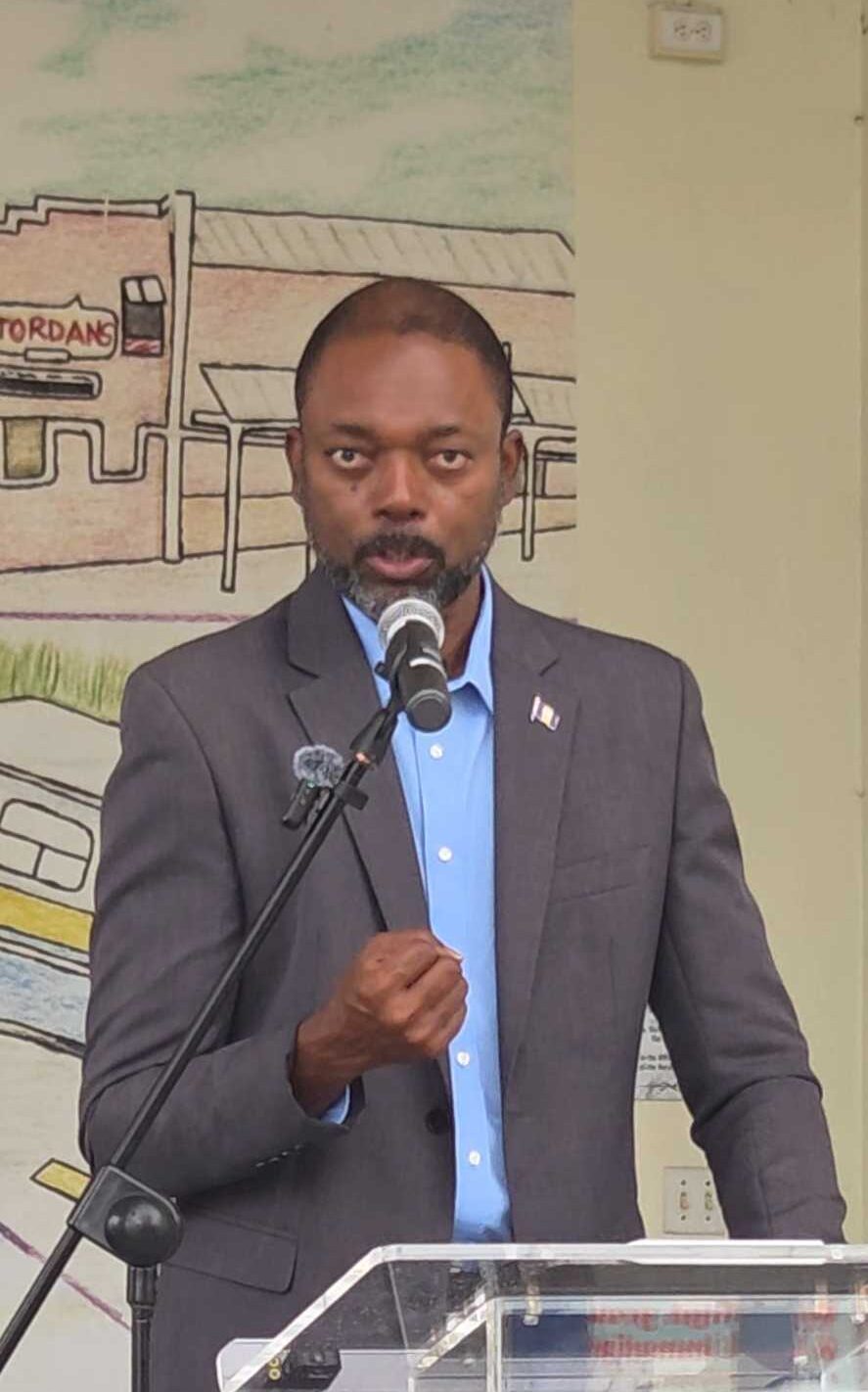
Barbados has taken a landmark step to close a long-standing gap in its national social safety net, launching round-the-clock digital payment options for National Insurance contributions that remove major barriers to social security coverage for the country’s large self-employed workforce. Labour, Social Security and Third Sector Minister Colin Jordan made the announcement at the official launch of the “Self-Employed and Secure” community engagement initiative in Speightstown, St Peter, framing the reform as the start of a new era of equitable financial protection for independent workers across the island.
Effective immediately, self-employed contributors can make National Insurance payments through two integrated platforms: the government’s native EZPay+ portal and commercial bill payment service SurePay. Both platforms operate 24 hours a day, seven days a week, eliminating the logistical hurdles that have kept thousands of independent workers outside the social security system for decades.
Jordan emphasized that flexible, anytime-anywhere payments are not just a matter of added convenience for self-employed workers—they are a practical necessity. Unlike traditional formal employment tied to a 9-to-5 office schedule, independent work spans irregular hours across sectors from taxi driving and fishing to artisanal craft and creative industries. “No more disrupting your schedule or your earning of money. You can now, in the middle of the night, sit on your bed or at your dining room table and make your payments,” Jordan said, adding that the reform ensures every working Barbadian, regardless of their work model, can access the protection they deserve.
The policy change comes as the National Insurance Scheme faces urgent long-term sustainability challenges. A recent 17th Actuarial Review delivered a sobering projection: if the contributor base does not expand significantly, the National Insurance Fund could be fully depleted by 2034. When Jordan took office, official data showed only 12 percent of Barbados’s self-employed population actively contributed to the fund—a gap the current administration has refused to delay addressing.
“As a government, we decided we would not do the politically expedient thing and kick the can down the road. Once we recognised we had a challenge, we did what former Prime Minister Owen Arthur would say: you face it and you fix it,” Jordan noted. “We are addressing the sustainability of the fund because our self-employed are too valuable to be left to ad hoc relief.”
In additional support for self-employed workers who have fallen behind on past contributions, the new digital system also allows payments for prior coverage years. Workers can now make up missed contributions for 2024 and 2025, alongside current 2026 payments, allowing them to build up their eligibility for future benefits without losing credit for past work. “Every year counts, and this facility allows you to add those missing weeks to your foundation,” the minister explained.
Jordan praised the courage and creativity of Barbadian self-employed workers, who “bet on themselves” every day to grow the island’s economy. But he stressed that hard work alone cannot serve as a retirement plan, and ad hoc emergency assistance is not a substitute for comprehensive social security. Lessons from past crises, including the COVID-19 pandemic and Hurricane Beryl, have made clear the devastating human cost of leaving independent workers without a financial safety net, he added.
“The National Insurance Scheme exists precisely so no self-employed person has to face a crisis without a firm foundation,” Jordan said. “I encourage all of you: do not wait until something happens. Join up, sign up, and participate.”