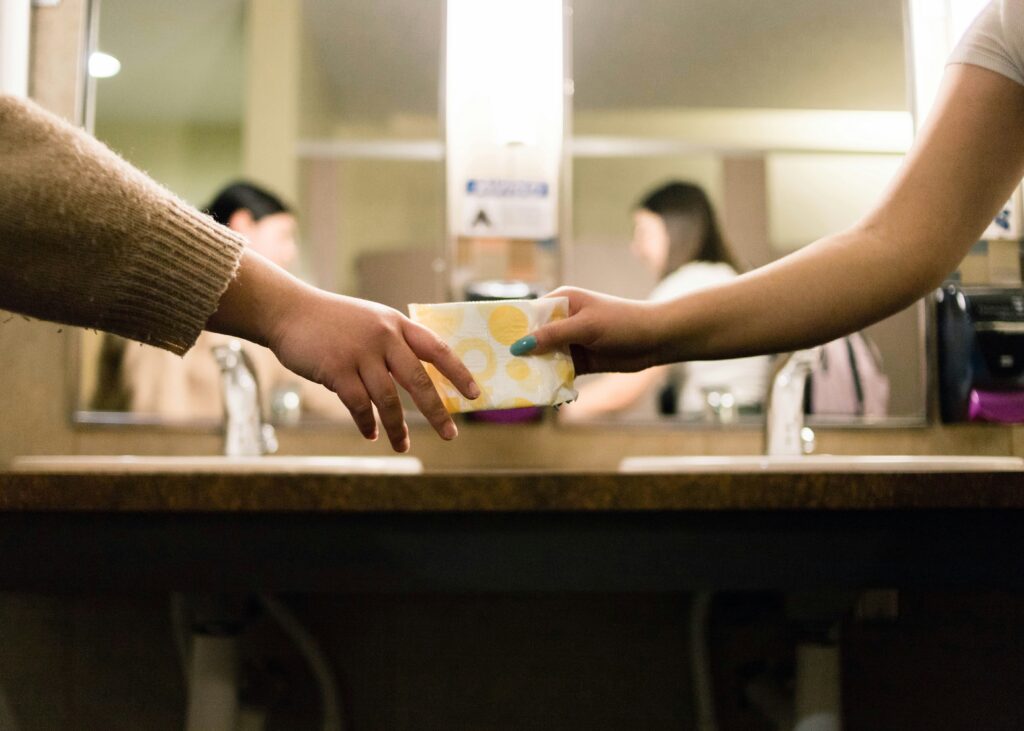
KINGSTON, Jamaica — In a landmark move to address a long-overlooked systemic barrier to gender equity, the Jamaican government has announced a landmark national program to combat period poverty — a public health and social crisis that health officials confirm forces thousands of girls to skip school and women to miss work each year.
Health and Wellness Minister Dr. Christopher Tufton unveiled the plan Tuesday during his address to Parliament as part of the annual Sectoral Debate, outlining the new National Menstrual Health Equity Initiative, set to launch later this year. Developed through cross-sector partnerships between the Ministry of Health and Wellness, the Ministry of Education, local civic organization HerFlow, and the United Nations Children’s Fund (UNICEF), the program targets period poverty among school-aged adolescent girls across the island.
The initiative will kick off with an 18-month pilot program centered on eight public schools with large populations of girls registered under Jamaica’s Programme of Advancement Through Health and Education (PATH), the country’s primary social safety net for low-income households. Taking an integrated approach to adolescent wellness, the pilot will combine free distribution of menstrual hygiene kits with targeted public education, paired with school-wide upgrades to water, sanitation, and hygiene (WASH) infrastructure, integration of menstrual health into existing HPV vaccination drives, HIV/STI prevention programs, and general personal health education curricula.
Tufton confirmed the pilot carries an estimated price tag of 50 million Jamaican dollars and is projected to directly benefit 2,000 girls, while extending education and outreach to boys, teaching staff, parents, and school health workers through community engagement activities to challenge the cultural stigma surrounding menstruation. To coordinate implementation and measure outcomes, a multi-sectoral technical working group co-chaired by the health and education ministries will oversee the pilot and produce a comprehensive evaluation report to guide future national policy and full-scale program rollout.
In his address, Tufton framed period poverty as more than a simple hygiene issue: it is defined as the inability to access affordable menstrual products, accurate health education, and adequate sanitation infrastructure, a crisis that carries severe physical health risks, forces many people to use unsafe alternative absorbent materials, and entrenches social shame and stigma that discourages people from seeking help. The root causes of the crisis, he noted, extend beyond product cost to include inadequate public infrastructure and deep-rooted systemic gender inequality.
Global data underscores the scale of the issue: Tufton shared that more than 500 million people worldwide lack access to basic functional menstrual hygiene facilities. Global public health research also finds that roughly 35 percent of girls globally view menstruation as a private or taboo topic, a cultural norm that limits help-seeking and blocks access to evidence-based reproductive health information. The crisis is not unique to low-income nations: Tufton highlighted that in the United States, nearly one in four student menstruators struggle to afford period products, and almost half wear products longer than the recommended usage window to cut costs.
Local Jamaican data paints a stark picture of the crisis at home. Official statistics shared during the address show that 44 percent of all Jamaican girls experience period poverty, while in low-income communities, one in four girls miss school during their period simply because they cannot afford sanitary products. Only 30 percent of Jamaican public schools currently provide free menstrual products for students. Research confirms that repeated period-related absenteeism directly correlates with lower academic performance, exacerbating existing gender gaps in educational attainment and economic opportunity.
For low-income families covered by the PATH program — where households survive on less than 1,300 Jamaican dollars per day — the financial burden of menstrual products is untenable. A single pack of sanitary napkins costs between 250 and 600 Jamaican dollars, forcing families to make an impossible choice between purchasing hygiene products and putting food on the table.
“We all must be concerned about period poverty among our young girls in schools,” Tufton told Parliament. “It’s not just a hygiene issue, but a systemic barrier that keeps girls out of classrooms, undermines their academic potential and reinforces cycles of inequality and poverty.”