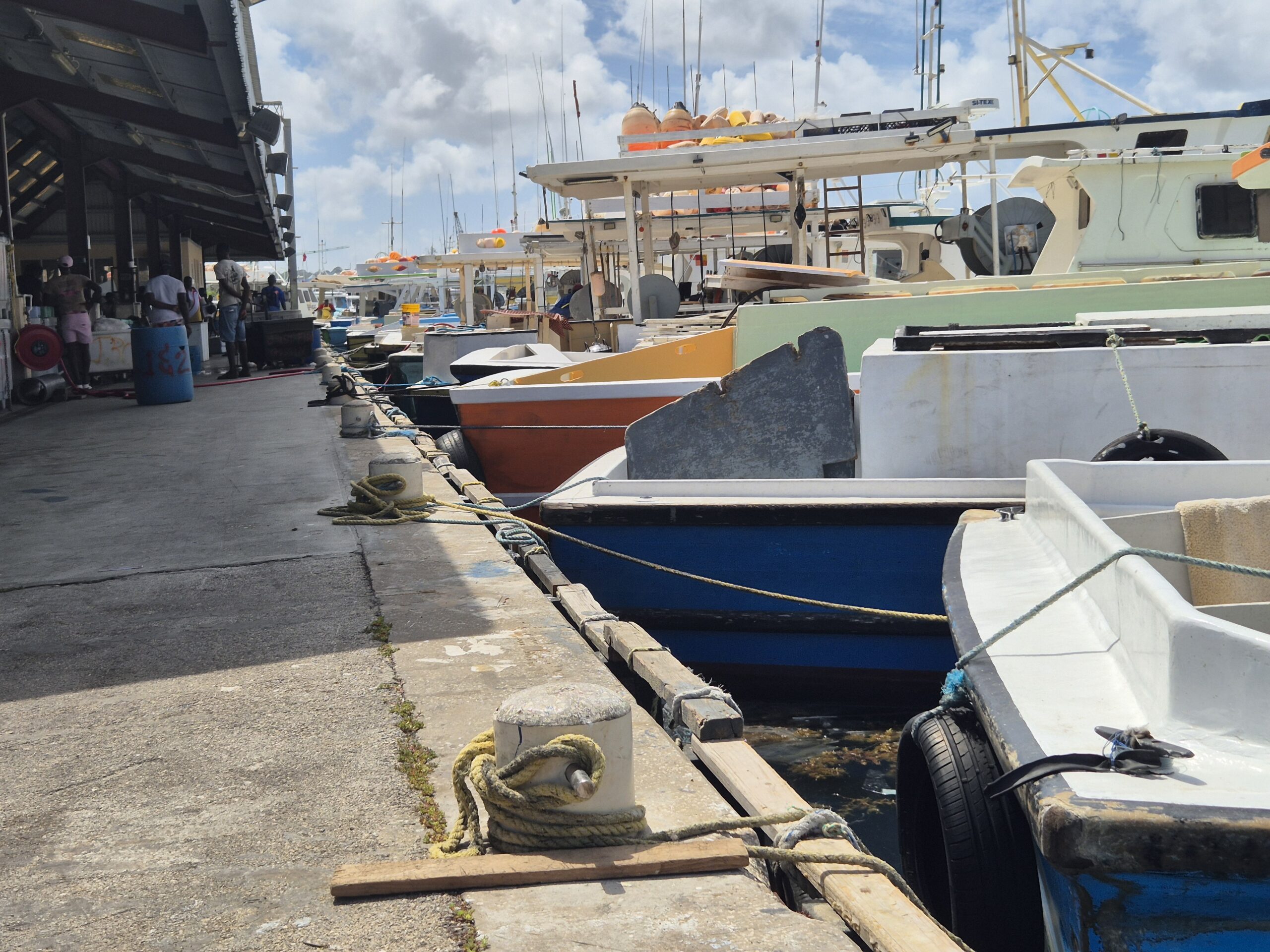
At the Bridgetown Fisheries Complex, one of Barbados’ core hubs for the local fishing industry, a deepening crisis has brought daily operations to a near-standstill. Rows of idle fishing vessels line the docks, their crews trapped on shore by a persistent and worsening shortage of ice caused by breakdowns in the facility’s decades-old cooling infrastructure. As of Tuesday, the entire flotilla remained moored, with fishermen saying the ongoing malfunction has devastated their incomes, restricted fishing trips, and pushed some operators to travel hundreds of miles overseas just to secure the critical supply.
For months, recurring failures of the complex’s ice machines have left fishing crews increasingly frustrated, with dozens gathering along the waterfront this week to air their grievances to local media. Veteran fisherman Wade Gittens, who has worked in Barbados’ fishing industry for more than 30 years, called the current crisis an existential blow to a sector that was already struggling to stay afloat.
“Right now, there are roughly 70 to 75 boats tied up here, not going anywhere because there is no ice,” Gittens explained during an urgent on-site press briefing. “If a boat is lucky enough to get ice one week and spends two weeks at sea, once that trip is over, it has to stay back here for at least a month and a half, unless they can source ice all the way in St George.”
Gittens added that a growing number of local fishing vessels are now forced to make long, costly trips to neighboring islands like Grenada just to stock up on ice before returning to Barbadian waters to fish. He called for immediate infrastructure changes, saying, “It is past time we had at least two or three working machines to keep the boats supplied.”
Wayne Rose, another experienced longline captain, echoed Gittens’ concerns, noting the ice shortage problem has plagued the complex for years but has reached a breaking point in recent weeks. “Now boats have to leave here, go all the way to Grenada for ice, then come back to fish. That adds extra cost and extra travel time that most of us can’t absorb,” Rose said, adding the shortage has directly cut the number of fishing trips local operators can complete each month. He also linked the slowdown to the rising cost of fish across Barbados, explaining, “That’s why fish prices are so high right now. Not enough boats are going out, supply is low, so prices go up.”
Other fishermen described the situation as untenable. Roger Cox pointed to a publicly posted ice delivery schedule hanging at the complex, noting the document is now effectively useless, since most of the vessels listed are either stuck at the dock or overseas searching for ice. He called the ongoing chaos “more than ridiculous.”
Desperation has even pushed some crews to reuse old ice that has already been in contact with stored fish. Near one dock, a group of fishermen were seen shoveling through chunks of used ice, discarding pieces heavily soaked with fish blood while setting aside cleaner chunks to be washed and repurposed. One angler acknowledged the unsafe practice is far from ideal, but has become a necessary evil amid the shortage. “It’s not really recommended… that’s what the ice machines are for, to give us fresh ice for the catch,” he said, looking despondent. “There’s not much we can do. We have to do what we have to do to get by.”
The impact of the crisis extends beyond fishermen to local fish vendors, who are already feeling the strain of limited supply and rising costs. Ikema Sobers, a vendor scaling flying fish at the complex, said the problem has dragged on through multiple changes in government leadership, and everyone in the supply chain is suffering. “Ministers come and ministers go… all of us are feeling this,” she said, echoing the calls for urgent action and answers from authorities.
Growing public frustration prompted Barbados’ Deputy Prime Minister and Fisheries Minister Santia Bradshaw to visit the complex this week to address the crisis. Bradshaw acknowledged that aging equipment and repeated compressor failures are the root cause of the ongoing shortage. “It is quite unfortunate that these machines were allowed to deteriorate to this point,” she said, adding that the long-term solution requires both upgrading the existing ice machine compressors and completing broader infrastructure renovations across the entire facility.
Bradshaw explained that one compressor has already been sent for repairs, but a second machine—more than 30 years old—developed new problems after workers detected unusual noises and oil leakage earlier this month. While the government has laid out long-term plans to upgrade the entire fisheries complex, Bradshaw said immediate temporary measures have been put in place to address the ice shortage: starting Tuesday afternoon, private firm Wolverine Company began delivering emergency ice supplies to local fishermen, and the government will offer targeted rebates to affected operators, consistent with past support for the industry. Additional ice will also be sourced from the Millie Ifill market in Weston, St James, to boost overall supply.
Even with these emergency measures in place, local fishermen say they continue to bear the brunt of the crisis, with mounting daily costs pushing many to the breaking point. “Every day you leave home to come here, you have costs—bus fare, gas for your car—and then you get here and have to turn around and go home with nothing,” Gittens told reporters. “I honestly think this industry is dying, because we are getting no meaningful help at all.”