PORT OF SPAIN, TRINIDAD – A cross-border diplomatic dispute has broken out over an early May oil spill in the Gulf of Paria, with Venezuelan authorities decrying severe regional environmental damage and Trinidad and Tobago’s government insisting the incident was small, contained quickly, and properly addressed.
The spill was first detected on May 1 at Trinidad and Tobago’s Main offshore oil field. According to the nation’s Ministry of Energy and Energy Industries (MEEI), crews halted the leak the same day it was discovered, completed repairs, and restored full operations to the site by May 2. Heritage Petroleum Company Limited, the operator of the field, immediately notified local regulators, the coast guard, and the national Environmental Management Authority after identifying the spill, MEEI explained. After receiving official approval, chemical dispersants were deployed between six and eight nautical miles from the shared Trinidad-Venezuela border, a proactive step based on early spill trajectory modeling that showed untreated oil could cross into Venezuelan waters.
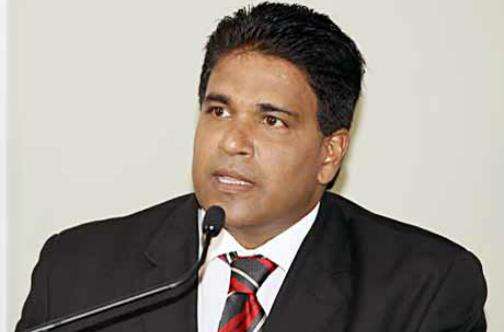
MEEI’s assessment confirms that the dispersant successfully broke down the hydrocarbon, with follow-up inspections using drone surveillance and surface vessels finding no visible trace of oil remaining on the water. Officials estimate the total spill volume at just 10 barrels, and note that daily monitoring of all offshore operations has not uncovered any additional leaks. The spill, Energy Minister Dr. Roodal Moonilal emphasized, was a minor event contained entirely within 48 hours with no major environmental impact. Moonilal added that the leak was tied to decades of neglected, aging oil infrastructure left behind by the former People’s National Movement (PNM) government, saying deteriorated pipelines have increased the overall risk of such incidents.
However, the incident has sparked international pushback from neighboring Venezuela, which says the spill has caused irreversible harm to coastal ecosystems in its Sucre and Delta Amacuro states. In a weekend statement, Venezuelan authorities reported that official environmental assessments found severe threats to the region’s mangroves, wetlands, marine wildlife, and hydrobiological resources critical to both local food security and regional ecological balance. The government added that the spill has already harmed vulnerable species and high-sensitivity ecosystems, prompting it to direct its foreign ministry to formally request full details on the incident, a copy of Trinidad and Tobago’s mitigation and containment plan, and immediate compliance with international environmental law obligations to provide reparations for the documented damage.
Domestically, the Trinidad and Tobago government is also facing pressure from opposition figures. Former energy minister Stuart Young of the PNM is calling for a full formal investigation, alleging that both Heritage Petroleum and the current administration deliberately covered up what he calls a major offshore spill, hiding critical information from the public for weeks. “It is clear that both Heritage and the Government sought to cover up and hide a major offshore oil spill, which is a significant environmental event,” Young said, demanding an inquiry to identify which officials were responsible for suppressing information about the May 1 incident.
Despite the disagreements, MEEI has reaffirmed its commitment to transparency and cross-border cooperation. The ministry says it stands ready to share all requested additional information with local and international authorities, and is open to collaborating with Venezuelan counterparts to develop a formal joint framework for responding to future transboundary oil spill incidents along their shared maritime border. “The Ministry of Energy and Energy Industries remains committed to ensuring that all of its stakeholders operate in a manner which advances the Government of Trinidad and Tobago’s commitment to protection of the environment in keeping with domestic law and international obligations,” the ministry’s statement concluded.