As the high-profile murder trial of Roger Delisle Sealy unfolds before Supreme Court Justice Laurie-Ann Smith-Bovell and a 12-member jury, a top forensic investigator has laid out chilling, detailed findings from the case that have become central to the prosecution’s argument.
Sergeant Mervin Grace, a veteran forensic scenes of crime officer, took the witness stand this week to recount his investigation into the November 2021 death of Samara Bristol, whose body was found in remote, bushy terrain in the Mangrove district of St Thomas. On November 21, 2021, when Grace arrived at the scene, he located Bristol’s remains 86 feet from an unpaved cart road, positioned face down in thick vegetation.
Along the narrow footpath leading to the body, Grace discovered scattered strands of synthetic hair that matched the hair the deceased wore. What he found on the body itself painted a grim picture: a rope tied to Bristol’s right ankle, with a segment of metal fastened to the rope. A gold-toned anklet rested on her left ankle, a matching gold bracelet on her left wrist, two rings on her left ring finger, and a gold necklace around her neck. Two nose rings were recovered from beneath her heavily disfigured face. Most notably, Grace confirmed that Bristol’s skull was fractured and split open, a fatal injury that has been a key focus of the trial.
Sealy, a resident of Airy Cot, St Thomas, stands accused of murdering Bristol sometime between November 16 and November 21, 2021. Before detailing the body recovery, Grace walked the court through an earlier site visit he conducted on November 17, 2021, to the shared Airy Cot home of Bristol’s mother Samantha and the accused. What he found there was extensive structural damage from a suspicious blaze. The kitchen, living room, and dining room had suffered direct heat and fire destruction, while bedrooms and bathrooms were left heavily damaged by smoke and water used to extinguish the fire.
After a thorough examination of the fire site, Grace concluded that the blaze originated on a three-seat sofa in the home’s living room. While pinpointing the exact source of ignition remained undetermined, the forensic officer classified the fire as incendiary — meaning it was intentionally set by human action in an area where a fire had no logical reason to start.
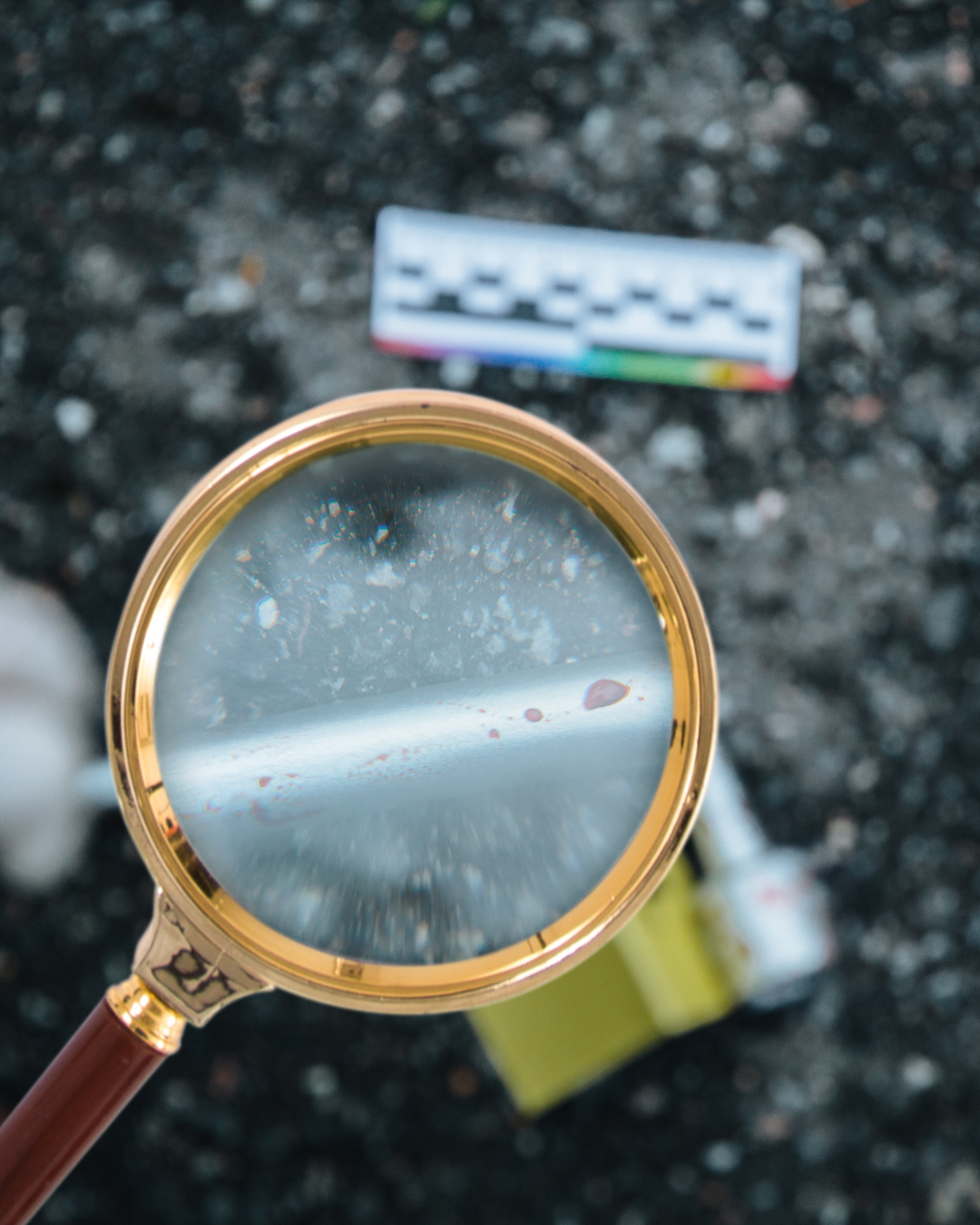
Grace also noted that he found potential traces of blood on the home’s exterior roadway, an insect screen covering a window, and an interior floor, collecting swabs of the substance for DNA testing. Later that same day, investigators were led to a black-and-yellow motor lorry that had been hidden in a bushy area well off a main road in Vaucluse. After the lorry was moved to District ‘E’ Speightstown Police Station, Grace collected swab samples from the vehicle’s cargo tray for forensic testing.
The following day, Grace traveled to a private residence in Halls Village, St James, to conduct a forensic sweep. There, he collected a doormat and a single pair of socks as evidence. Investigators also turned over to Grace a set of clothing and footwear belonging to the accused: a T-shirt, pants, and boots, all of which were taken into custody for testing.
The prosecution is being led by Acting Deputy Director of Public Prosecutions Alliston Seale SC, joined by State Counsel Paul Prescod. Sealy is represented by defence counsel Sian Lange. The trial is scheduled to resume on Thursday, with more witnesses expected to take the stand as proceedings continue.