Escalating tensions between the United States and Iran have reached a critical new juncture this week, as President Donald Trump ramped up public pressure on Tehran to concede to strict new nuclear constraints while a sustained American naval blockade continues to cripple Iran’s already fragile economy. Writing on his own social media platform Wednesday, Trump issued a blunt warning to Iranian leadership, declaring, “Iran can’t get their act together… They better get smart soon.” The post was paired with a doctored image showing Trump holding a rifle against a backdrop of a exploding desert fortress, overlaid with the text “No more Mr Nice Guy.”
The confrontation comes against a backdrop of open conflict that began two months ago, when a joint US-Israeli military campaign triggered a reciprocal Iranian blockade of the Strait of Hormuz—one of the world’s most critical chokepoints for global oil and natural gas shipments. The closure of the strategic waterway sent immediate shockwaves through international energy markets, and while Iran’s move has disrupted global commerce, it has also inflicted severe damage on Iran’s own domestic economy. By Wednesday, the Iranian rial had plummeted to an all-time low against the U.S. dollar, and interviews with Tehran residents paint a picture of widespread public despair over the prolonged crisis. Speaking to AFP on condition of anonymity, a 52-year-old Iranian architect based in Paris outlined the deep public skepticism toward diplomatic efforts that has built up over years of failed negotiations. “Every time in recent years that negotiations have taken place, the economic situation of the people has only gotten worse. Sanctions have either started or intensified,” he explained. “They go to negotiate and come back with even more sanctions, and the issue is always nuclear. There’s no talk about people, the economy, or freedom. People have the right to not even want to hear the word ‘negotiation.’”
U.S. defense secretary Pete Hegseth was scheduled to appear before Congress for questioning on the administration’s Iran policy Wednesday, but multiple U.S. press reports indicate Trump has already made a final decision to reject Iran’s latest diplomatic proposal to reopen the Strait of Hormuz. Citing anonymous administration sources, The Wall Street Journal reports Trump intends to maintain the tight naval blockade of Iranian ports until Tehran agrees to fully dismantle its nuclear program, a non-negotiable demand from Washington.
During a White House state dinner hosted for Britain’s King Charles III on Tuesday, Trump doubled down on his stance, claiming Iran had already been “militarily defeated” and asserting, “we’re never going to let that opponent have a nuclear weapon.” Trump even claimed Charles shared his position on the issue. Iranian military officials have pushed back aggressively against Trump’s claims, however, with army spokesman Amir Akraminia telling state television Tuesday that Tehran rejects any suggestion the war is over, and harbors deep distrust of American intentions. “We do not consider the war to be over. We have many cards that we have not yet used… new tools and methods of fighting based on the experiences of the past two months of conflict, which will definitely allow us to respond to the enemy more decisively” if hostilities resume, Akraminia warned. Iranian defense ministry spokesman Reza Talaei-Nik added that Washington has no right to impose its will on sovereign nations, saying, “The United States is no longer in a position to dictate its policy to independent nations” and demanding Washington abandon its “illegal and irrational demands.”
Diplomatic efforts to de-escalate the crisis have ground to a halt in recent days. Tehran’s latest proposal, which was relayed to Washington via mediator Pakistan and reviewed by Trump administration officials during a Monday meeting, sets clear red lines on both nuclear policy and the future of the Strait of Hormuz, according to Iran’s semi-official Fars News Agency. Under the framework, Iran would ease its blockade of the strait in exchange for Washington lifting its retaliatory port blockade, with broader negotiations over the nuclear program to follow. But the offer has been flatly rejected by Trump, leaving the standoff locked in place. Qatari officials, whose country has been struck by Iranian strikes despite serving as a neutral mediator, warned Wednesday that the ongoing impasse risks devolving into a long-lasting “frozen conflict” with no clear path to resolution.
Domestically, Trump faces growing political pressure to find a way out of the standoff, as spiking global energy prices drive up commodity costs for American voters just months ahead of November’s midterm elections. Polling consistently shows the war is deeply unpopular with the U.S. public, and as of Wednesday, international benchmark Brent crude traded above $113 per barrel—surpassing prices seen before a brief April ceasefire—while U.S. West Texas Intermediate crude crossed the $101 per barrel mark. Even key U.S. allies have openly criticized the administration’s lack of a clear strategy. German Chancellor Friedrich Merz, who previously offered cautious backing to Trump’s Iran policy, told reporters Monday that “the Americans obviously have no strategy” in the region and called the war “at the very least ill-considered.” Trump quickly fired back on social media, dismissing Merz’s comments and claiming the German leader “doesn’t know what he’s talking about.”
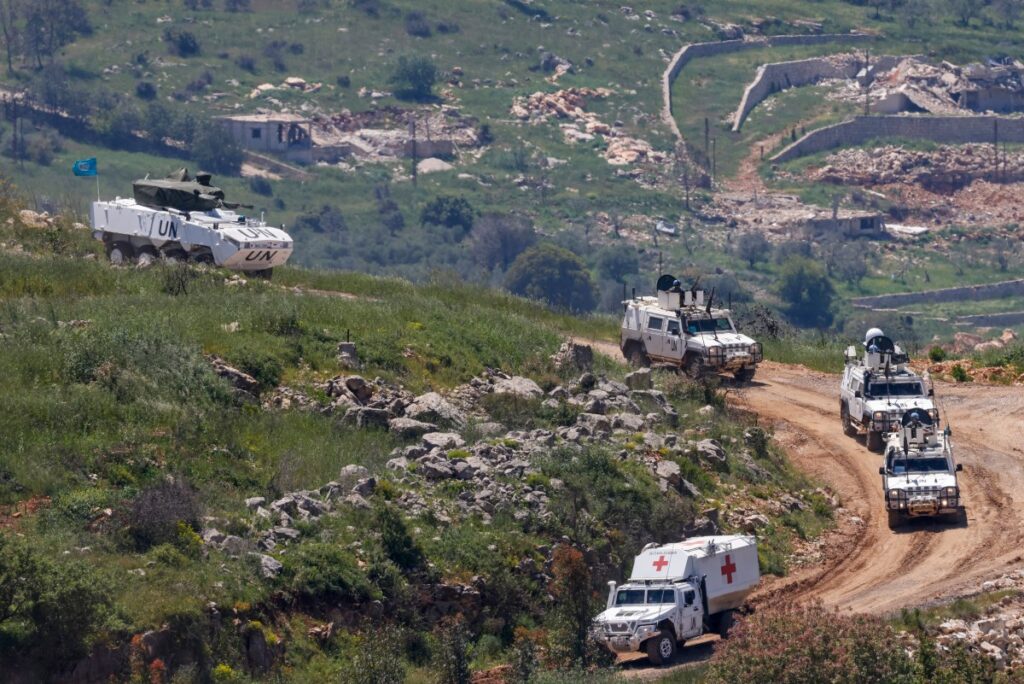
Violence continues to flare along the conflict’s secondary Lebanese front, even after a recently extended ceasefire between Israel and Iran-backed Hezbollah. The militant group drew Lebanon into the wider conflict when it opened fire on Israel two months ago, triggering Israeli air strikes and a limited ground incursion into southern Lebanon. The Lebanese military confirmed this week that the ceasefire has been violated repeatedly: Tuesday brought the first reported Israeli strike on Lebanese army personnel since the truce took effect, wounding two soldiers, and a second strike Wednesday killed one additional Lebanese soldier.