In Santo Domingo, top Dominican labor officials have doubled down on the national government’s long-standing pledge to wipe out child labor, announcing a sweeping strategy that combines expanded prevention frameworks, tighter monitoring systems, and enhanced protective support for vulnerable minors across the country.
Over the coming six months, the Dominican Ministry of Labor is set to grow its specialized cross-disciplinary task force dedicated to combating child exploitation. The expansion will bring on additional psychologists, social workers, legal experts, and translators, equipping the agency to improve both early detection of at-risk children and rapid, effective intervention when cases are uncovered.
Officials spotlighted the success of ongoing prevention initiatives spearheaded by the country’s Directorate for the Eradication of Child Labor. To date, the directorate has run 138 community-focused DARSE workshops, which have delivered education and outreach to more than 6,300 people. This turnout far surpasses the program’s original participation goals, marking a significant win for public engagement on the issue.
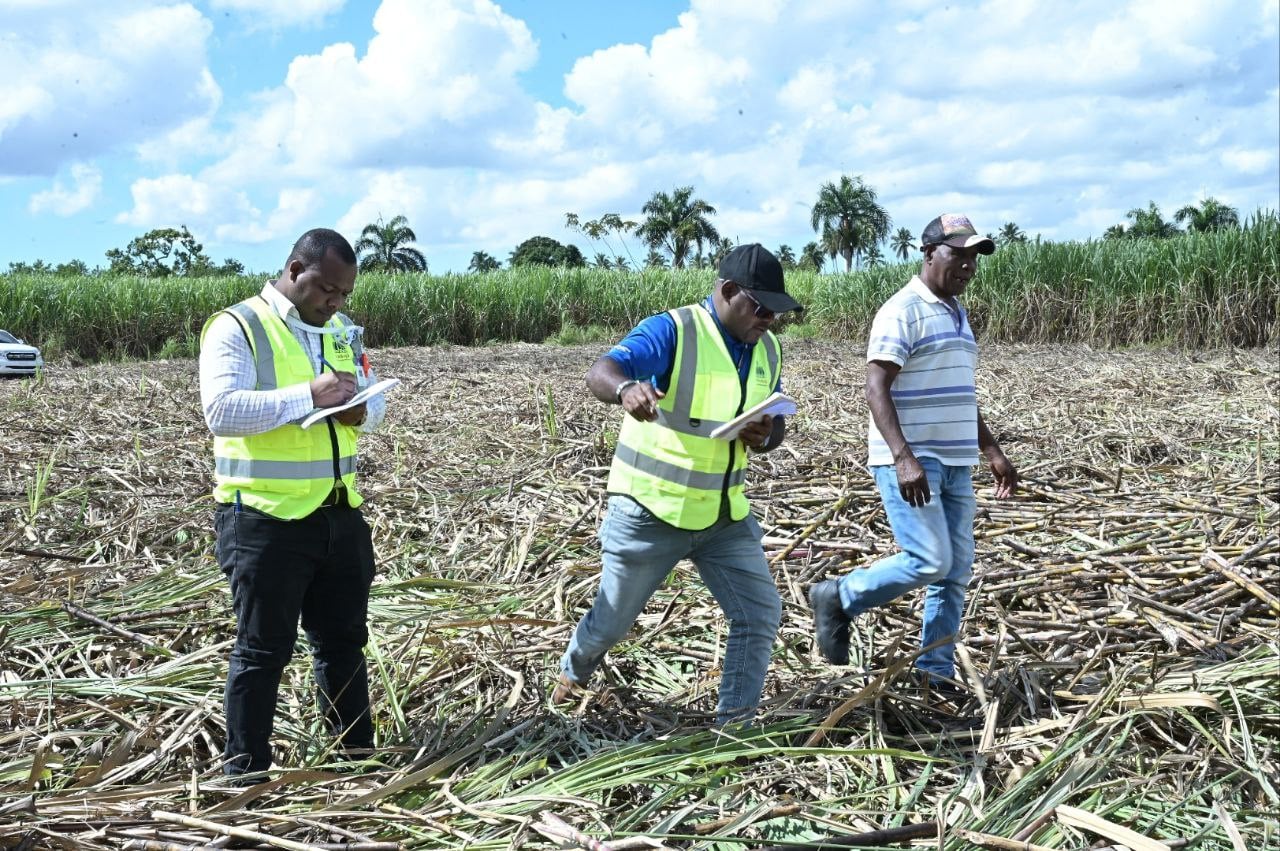
A core focus of ongoing enforcement work remains the Dominican agricultural sector, which includes major domestic commodity industries such as sugar cane, rice, banana, tomato, coffee, and cocoa production. Labor regulators have prioritized consistent inspections across these agricultural areas, given historical risks of child labor exploitation in rural commodity work.
Official inspection data shows that regulators carried out more than 5,000 targeted inspections in agricultural zones across the country in 2025. That momentum has continued into 2026, with nearly 2,000 additional inspections completed in just the first quarter of the year.
While no confirmed child labor cases were uncovered during 2025’s enforcement rounds, two cases involving underage workers were detected in 2026 in the Azua and Higüey regions. In both instances, authorities launched immediate, coordinated response measures: the minors were reintegrated into formal schooling, their families received targeted support, and complementary community awareness programming was rolled out in the affected areas, in close coordination with other relevant public institutions.
ddzGoing forward, government officials stress that sustained cross-sector cooperation across national and local levels will remain the critical foundation for upholding children’s rights and stopping child labor exploitation before it occurs.