Over the past several years, Jamaica has faced a steady, alarming upward trend in reported bullying incidents among its youth population, according to new official data that has put renewed pressure on education authorities to address the growing crisis.
Figures compiled by the National Children’s Registry, an arm of Jamaica’s Child Protection and Family Services Agency (CPFSA), and obtained by the Jamaica Observer, show that between January 1 and March 26 of 2026 alone, 49 bullying cases have already been logged to authorities. A monthly breakdown of the first quarter data reveals 22 incidents were reported in January, 11 in February, and 16 in March. A long-term trend analysis covering the past three full calendar years confirms this consistent growth: 130 reported cases in 2022, 140 in 2023, 151 in 2024, and a further jump to 167 recorded incidents in 2025.
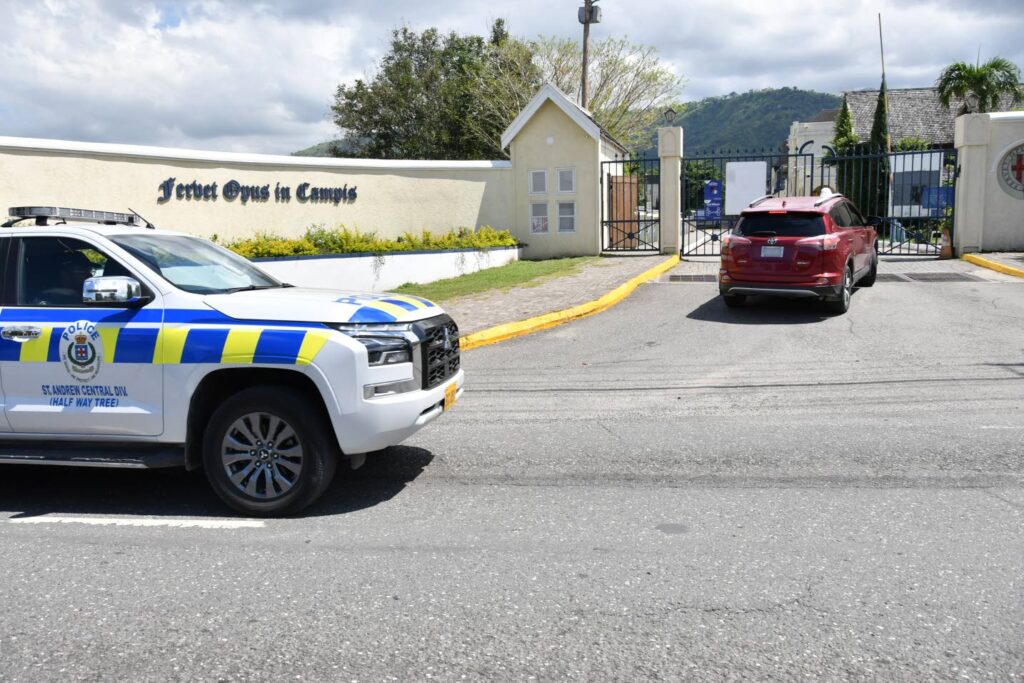
The disturbing trend moved from statistical data to public outrage over the weekend, when a video showing a violent bullying incident circulated widely across Jamaican social media platforms. The footage captured uniformed students from Jamaica College, an all-boys secondary school located in St Andrew, brutally attacking a fellow student. In an official statement released Monday evening, school leadership condemned the behavior shown in the video as “reprehensible and unacceptable”, confirming that all individuals involved in the assault had been identified. The students will soon appear before the school’s Disciplinary Committee to face formal disciplinary action aligned with the institution’s internal policies.
Senator Dana Morris Dixon, Jamaica’s Minister for Education, Skills, Youth and Information, publicly condemned the viral incident, calling the recorded assault deeply disturbing. She confirmed that a full official investigation into the event has been launched to guide next steps. To ensure all affected parties receive appropriate support, Parliamentary Secretary in the education ministry Senator Marlon Morgan, Director for Safety and Security in Schools Richard Troupe, and regional school safety teams are scheduled to work directly with Jamaica College to provide therapeutic support and any other assistance required by the victim, witnesses, and the broader school community.
Speaking in response to the overall rising trend in bullying reports, Morgan acknowledged that the increasing numbers are a major cause for concern for the government. Despite the challenges, he emphasized that the ministry remains committed to ongoing work to reduce and eliminate all forms of bullying across the country’s education system.
“We will remain undaunted and redouble our efforts, including our resources, human and otherwise, to eradicate the scourge,” Morgan told the Jamaica Observer. He went on to frame bullying in schools as a reflection of broader societal challenges: “We know that schools are basically a microcosm of our society, and therefore some of the challenges that manifest at the level of households and indeed communities may spill over into our schools on account of the behaviour of some of the persons who may be predisposed to violence in and around them.”
Morgan explained that the government’s core goal is to build a national culture of peaceful conflict resolution. “As a Government, we are particularly keen on fostering a culture of peace in the country, and we continue to note that peace doesn’t mean the absence of conflict or dispute. What we mean by peace is that even where disputes and conflicts arise, people utilise appropriate, mature, and responsible ways of dealing with them rather than resorting to violence or engaging in vigilante justice or reprisals, because those things are counter-productive and it just fosters a cyclical culture of violence in the society.”
The education ministry upholds a strict zero-tolerance policy for all bullying incidents, and Morgan encouraged students, teachers, parents and other education stakeholders to use official, non-violent channels to resolve conflicts. To back this policy, the ministry has deployed a multi-disciplinary support network including national school safety coordination teams, police school resource officers, and full-time employed clinical psychologists and trained mental health professionals. These experts are available across the education system to provide targeted support and intervention to drive positive behavior change among young people.
As a signatory to the United Nations Convention on the Rights of the Child, Jamaica is legally bound to protect children from all forms of violence, including bullying, physical harm, and psychological abuse. The convention notes that bullying violates children’s fundamental rights to education, health, and personal dignity, requiring signatory nations to implement binding legislative and social measures to prevent bullying, support victims, and maintain safe, inclusive learning environments.
In a step to strengthen national action against bullying, the education ministry launched BullyProofJA last October, a national public awareness campaign with a digital focus designed to address the widespread harm of bullying in Jamaican schools and communities. The campaign was paired with the official proclamation of October 7 as National Anti-Bullying Day, an initiative developed in partnership with the CPFSA. The proclamation, signed by Jamaica’s Governor General Sir Patrick Allen, reaffirms the country’s shared commitment to confronting bullying in all its forms and protecting the well-being and dignity of all children and young people across Jamaica.