Unresolved conflict is quietly eroding relationships across both workplaces and personal lives in Jamaica, leaving behind fractured teams, broken partnerships, and even dangerous societal outcomes. Now, a seasoned Jamaican communication and conflict resolution expert is stepping in to equip people with the actionable tools they need to reverse this harmful trend.
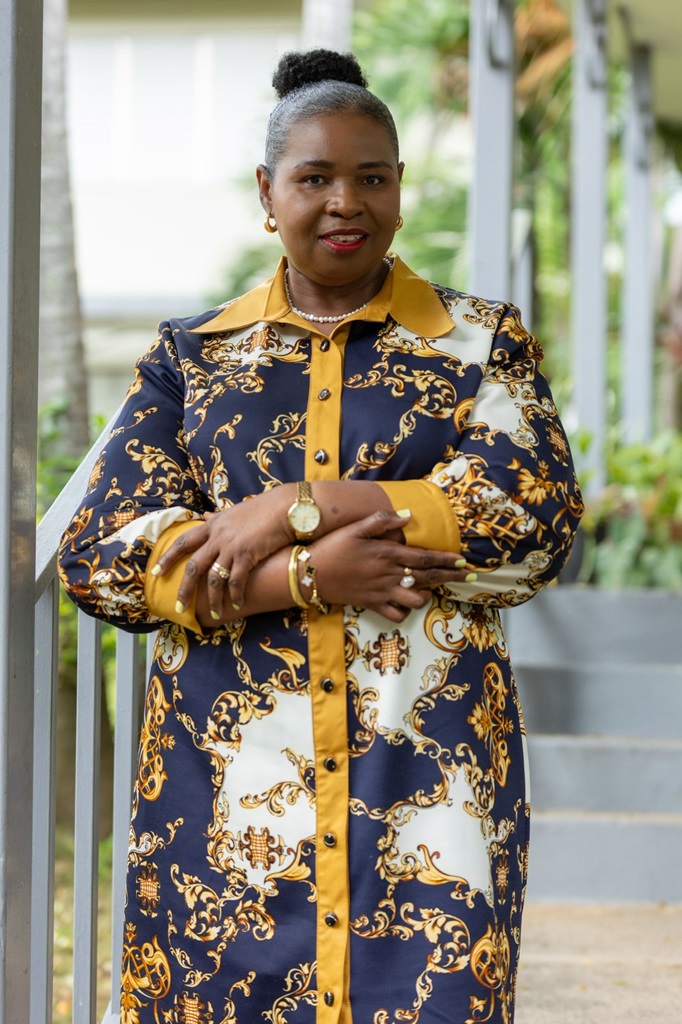
Carolyn Rose Miller, a 15-year veteran marketing and communication specialist, certified mediator, Justice of the Peace, and experienced trainer who has worked with public, private, and micro, small and medium enterprise (MSME) sectors across the country, has announced the upcoming “Mastering Difficult Conversations” workshop scheduled for May 2. The interactive training session aims to address a gap Miller has observed throughout her decades of practice: widespread avoidance of tense conversations that leaves small conflicts to fester into irreversible damage.
In an interview with Observer Online, Miller explained that avoiding tense discussions or handling them poorly always comes at a cost, derailing desired outcomes and damaging connections that might otherwise thrive. She has personally seen countless relationships collapse entirely because parties refused to confront underlying issues, with consequences ranging from crippling workplace inefficiency to a rise in intimate partner violence—a trend she calls deeply troubling.
Against this backdrop, the workshop is designed to intervene early, teaching participants practical, evidence-based strategies to de-escalate tension, rebuild damaged trust, and cultivate more constructive dialogue between colleagues, team members, romantic partners and community members. Unlike generic public speaking or communication training, the program is rooted in formal mediation and conflict resolution frameworks, a tool Miller says is underutilized in Jamaican culture outside of court-appointed cases, despite its proven effectiveness.
“Mediation and conflict resolution are key to creating a harmonious, cohesive relationship,” Miller noted. “I see an urgent need to share tips in employing proven and effective strategies to address conflicts… this should be at the forefront of everyone’s mind.”
The training is open to any person navigating challenging conversations in either their personal or professional lives, with a focus on six key groups that regularly face high-stakes difficult dialogue: leaders and managers tasked with addressing performance gaps and guiding teams through conflict; human resources professionals responsible for disciplinary action and workplace dispute resolution; frontline staff who interact with upset clients and colleagues in high-pressure settings; community and church groups that depend on open communication to maintain unity; professionals and individuals who want to build confidence to address issues rather than avoid them; and anyone required to deliver bad or uncomfortable news with clarity, empathy and professionalism.
Co-hosted by Adrian Atkinson, a veteran voice and speech coach and media practitioner, the workshop blends theoretical instruction with hands-on practical practice. Attendees will work through real-world case studies and simulate realistic difficult conversations in a low-risk, guided environment, integrating lessons on emotional intelligence into every module. Unlike passive training programs, all strategies shared are designed for immediate implementation back in participants’ daily lives.
To incentivize early sign-ups, the first three people to register will receive a complimentary bonus one-on-one coaching session on the spot. The exact venue will be shared directly with registrants after sign-up is complete.
Miller emphasized that what sets this workshop apart from generic communication courses is its focus on transformation, not just theory. “Participants are not just learning theory—they are being equipped with proven strategies to address issues, manage emotions, and resolve conflict effectively,” she explained. “This is not just about communication, it is about transformation: giving people the confidence, structure, and tools to handle difficult moments with confidence, empathy, and results.”