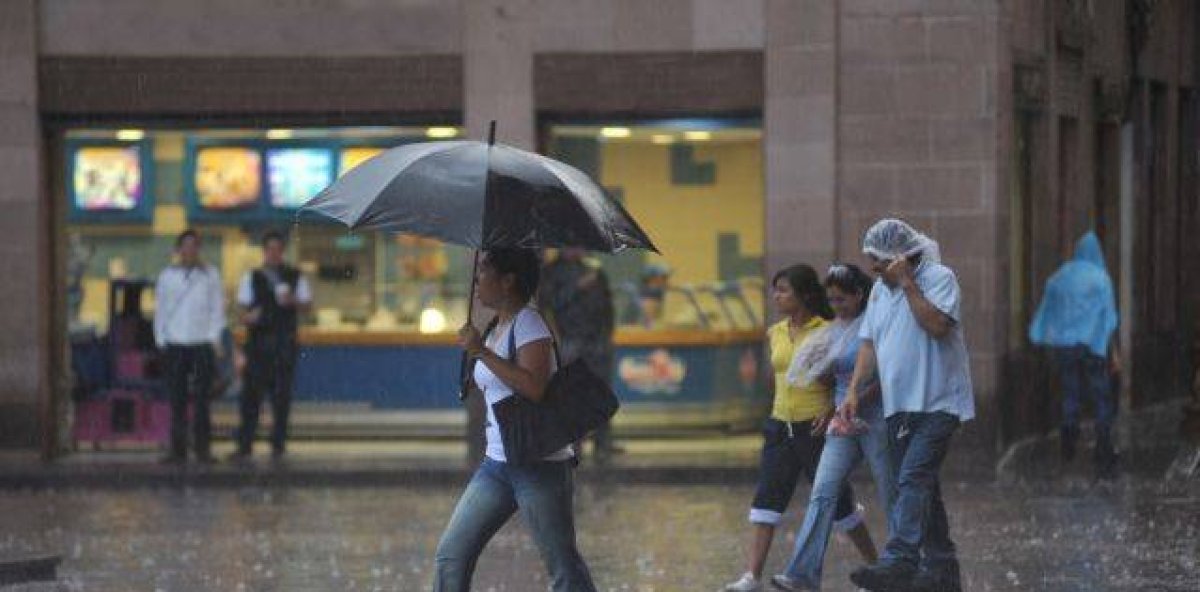
The Dominican Republic is facing an extraordinary and alarming weather anomaly this April: far outside the country’s typical seasonal rainfall patterns, days of extreme, high-volume downpours have shattered historical averages, leaving residents and experts grappling with a shift that is already upending thousands of lives. Meteorologists with the nation’s leading weather agency have traced the abnormal precipitation directly to human-driven climate change, sounding a clear alarm about shifting seasonal patterns across the Caribbean.
Cristopher Florian, a veteran meteorologist at the Dominican Institute of Meteorology (Indomet), told local outlet HOY that rising global ocean temperatures are the primary driver of this extreme weather. As seas warm, they evaporate at a faster rate, pumping far more water vapor into the atmosphere than historical baseline conditions. This extra moisture creates the ideal conditions for far more intense, concentrated bursts of rainfall that far exceed what is normally expected for this time of year.
Florian noted that this deviation from historic patterns is not an isolated event: for the past three consecutive years, April rainfall totals in the Dominican Republic have consistently outpaced long-term averages, driven by persistent anomalies in large-scale atmospheric circulation. Under normal seasonal cycles, the country’s wet convective season does not begin until mid-to-late April, when typical seasonal rainfall ramps up. In recent years, however, this active rainy period has been starting earlier and bringing more intense precipitation than ever recorded – a clear marker of broader climate disruption, according to Florian.
The scale of the recent downpours is unprecedented in modern records for the month. On April 8, a low-pressure trough swept across multiple regions of the country, dumping extreme rainfall across populated areas. In the Ensanche Julieta neighborhood of the National District, the storm dropped 314 millimeters of rain in just a matter of hours – a volume that would be extreme even in the heart of the wettest months of the year.
The impacts of this extreme weather extend far beyond disrupted climate patterns, causing widespread harm to local communities. The Dominican Republic’s Emergency Operations Center (COE) released an updated damage assessment Thursday that paints a stark picture of the human cost: more than 1,000 residential properties have been damaged by floodwaters and associated hazards, with dozens completely leveled by flash flooding and mudslides. In total, officials confirmed 1,024 homes sustained damage, 23 of which were partially destroyed and 32 fully reduced to uninhabitable ruins. More than 5,100 residents have been displaced from their homes and relocated to government-designated emergency safe shelters across the hardest-hit regions.