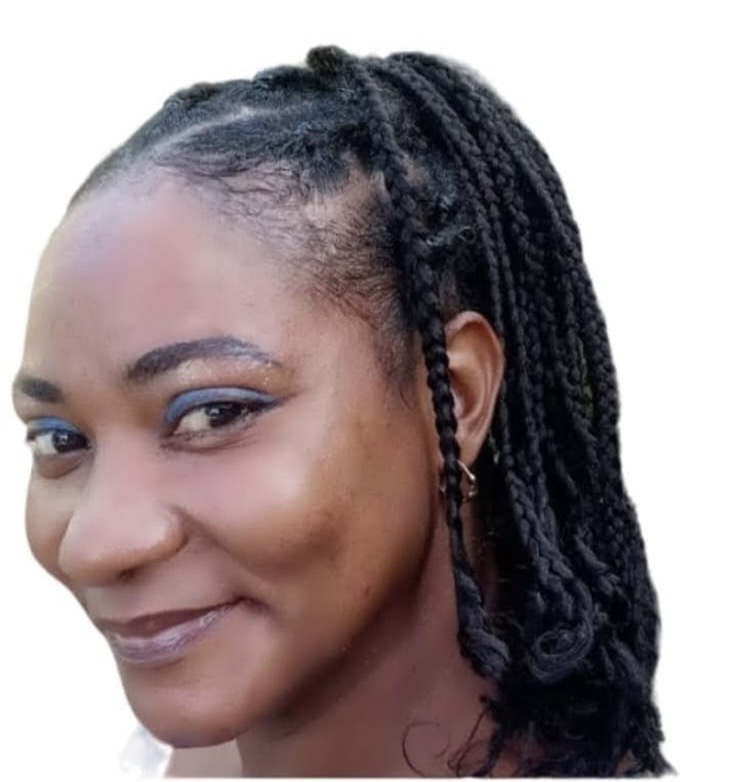
Across Barbados, a quiet, community-led revolution in autism care and support is gaining momentum, driven by a mother’s personal journey and a commitment to ensuring no family affected by autism navigates their challenges in isolation. At the center of this growing movement is Evening Stars Barbados (ESB), a volunteer-led nonprofit organization established in 2025 by Sonia Maloney, whose experience raising an autistic daughter inspired her to turn personal struggle into a mission of widespread change.
In an exclusive interview with local outlet Barbados TODAY, Maloney shared that her 13-year-old daughter’s diagnosis and the subsequent challenges of navigating existing support systems revealed critical gaps that extended far beyond her own experience. After connecting with other parents of autistic children, she confirmed these systemic shortcomings were not isolated incidents, prompting her to launch an organization that could guide families through complex processes and help them avoid the obstacles she had encountered.
The core unmet need ESB was created to address is the lack of structured support for autistic children and their families outside of standard school hours—a gap that places disproportionate strain on low-income and single-parent households. To solve this, the nonprofit has centered its work on three key priorities: direct practical support, community education, and systemic advocacy, all while partnering with established disability organizations rather than competing with them.
Practically, ESB offers two immediate, high-impact services: after-school programming for autistic children and respite care that gives caregivers much-needed breaks to preserve their personal and financial independence. Looking ahead, Maloney has laid out an ambitious plan to expand this practical support with an innovative cooperative model that allows neurodivergent people and parents with marketable skills to sell their crafts and products through an ESB shop, helping families retain economic stability while building community.
Education forms the second foundational pillar of the organization, with monthly workshops open to parents, educators, and community members. Maloney noted that three-quarters of past workshop attendees have been classroom teachers, revealing a clear unmet demand for training: most educators report feeling under-equipped to support autistic students and are actively seeking evidence-based guidance to create more inclusive learning environments. The next public workshop is scheduled for April 14 from 6 p.m. to 7:30 p.m. at the Black Rock Chapel of The Church of Jesus Christ of Latter-day Saints, with open registration available via the organization’s Facebook page.
To mark Autism Awareness Month, ESB has also been conducting outreach to primary and secondary schools across the island, leading informational sessions for both parents and teachers to deepen public understanding of autism. Maloney emphasized that one of the most persistent cultural barriers to support is the stigma that leaves many autistic children invisible: many self-regulatory behaviors commonly misunderstood by the general public are simply healthy coping mechanisms for autistic people, a misconception that targeted education can correct.
To build long-term cultural change, Maloney argues that education must start early, teaching younger generations about neurodiversity and how to support their autistic peers. On a systemic level, she is advocating for simple, inclusive changes across all Barbadian schools—not just special education facilities—including adding small sensory-friendly spaces in every classroom to give autistic students the environment they need to thrive. “Inclusion is not segregation. It is making sure every child gets what they need to be able to function,” she explained.
While Maloney acknowledged that public awareness of autism has improved in Barbados in recent years, she stressed that widespread acceptance and comprehensive support remain out of reach for too many families. As a volunteer-driven nonprofit affiliated with the community giving network Give Back Barbados, the organization relies on ongoing support from the public, with recruitment for new volunteers open via ESB’s social media channels.
ESB also prioritizes collaboration over competition, partnering with long-standing local groups including the Autism Association of Barbados and the Barbados Council for the Disabled to amplify existing services rather than duplicate them. At its core, the organization is built on the values of hope, dignity, and radical inclusion, with a vision of a Barbados where every autistic child is valued, fully supported, and given the space to shine. Far from waiting for systemic change to come from the top down, Maloney and the ESB community are building that future from the ground up: “We’re not waiting… we’re helping ourselves. We’re advocating for our communities,” she said.