For nearly five decades, Barbados’ annual Holetown Festival has stood as a cornerstone of the island’s national calendar, drawing visitors and locals each February to mark the 1627 arrival of the first English settlement at the site of Holetown. But a senior Barbadian official is now pressing for a sweeping re-evaluation of the iconic event, arguing that its current framing erases critical layers of the nation’s history and sidelined the grassroots communities that gave the festival its origin.
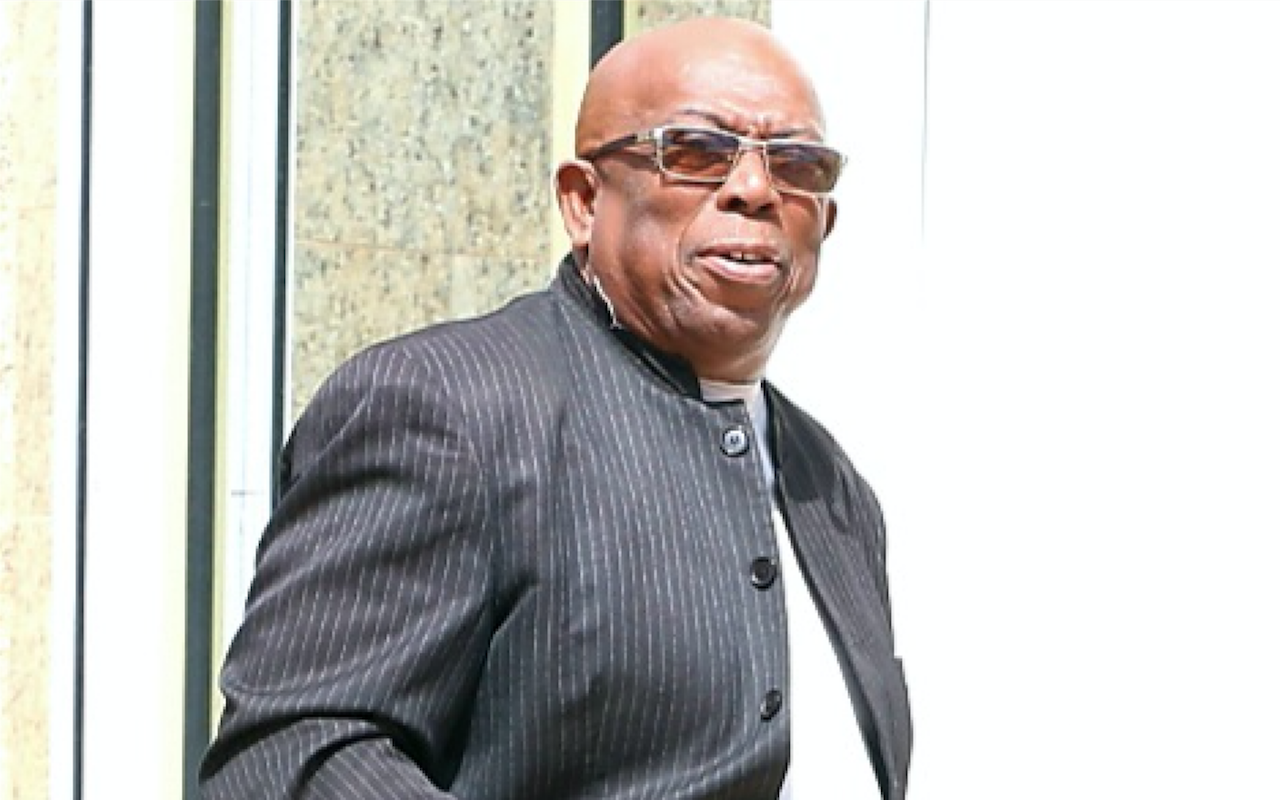
Trevor Prescod, Barbados’ Minister for Pan-African Affairs and Heritage, laid out his concerns in detailed remarks during a recent cultural heritage workshop, followed by an interview with local outlet Barbados TODAY. Prescod told attendees he has long questioned the narrow narrative the festival currently centers on, which frames the event exclusively around the 17th-century English settlement of Holetown.
Founded in 1977 by the late broadcaster Alfred Pragnell, former St James parliamentarian Keith Simmons, and the Trents Northern Youth Group, the eight-day celebration blends cultural education activities, street parties, and formal ceremonial events. But Prescod argues that the core narrative of the festival leaves out a vital, often overlooked part of the 1627 arrival: it was not only English people who landed on Barbadian shores that year. “The ships that arrived had African people too, whether enslaved or not enslaved,” he explained, adding that a modern, inclusive festival must reflect this full historical reality instead of relying on a restrictive, incomplete reading of the past.
Beyond the historical narrative, Prescod also raised sharp concerns about shifting priorities that have pushed community involvement to the margins in favor of commercial gain and tourism growth. He noted that in recent years, the festival’s focus has increasingly centered on drawing large visitor crowds and generating profit, rather than centering the participation of ordinary Barbadians. Much of the organized participation, he claimed, is now driven by state-led structures, while local community members face barriers to accessing space to take part in the event.
Prescod also called out the growing influence of the local hotel industry, which he says has come to monopolize festival space and shape the event’s experience at the expense of public access. “The hotels kind of monopolize the space, but you got to keep the festival in the road and then you got to keep it on the interior,” he said. “Why hotels become so important?”
To remedy these issues, Prescod is pushing for broad reforms that would return the Holetown Festival to its community-rooted origins. He argued that regulators should widen access to stall space for all interested participants once basic health and safety requirements are met, creating more room for ordinary Barbadians to claim ownership of the national event. “You want a people’s festival… everybody got to get stall space,” he said. While he acknowledged that some level of regulation is necessary to keep the event running smoothly, Prescod emphasized that the festival must remain rooted in full national inclusion and community participation, calling for opening the event to the entire country to enjoy on equal footing. Additionally, he pushed for the inclusion of working people who have long been central to Holetown’s identity, noting that a evolved festival cannot leave out fishermen and other ordinary residents who form the backbone of the local community.