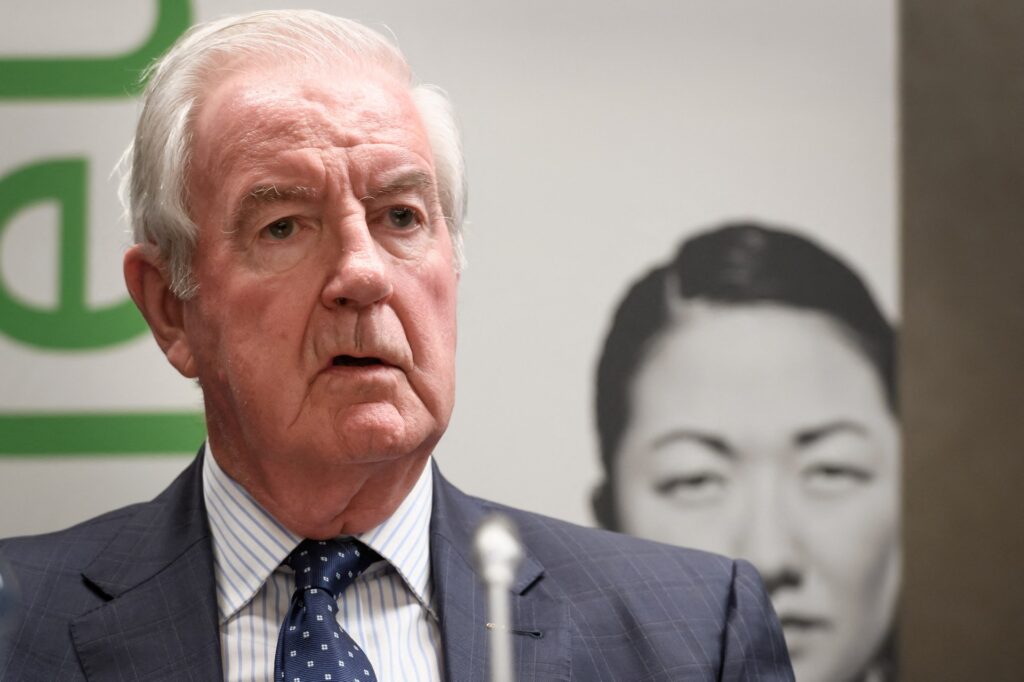
LONDON, United Kingdom – The global sports community is mourning the loss of Craig Reedie, the pioneering British sports administrator who led the World Anti-Doping Agency (WADA) and was instrumental in securing London’s hosting rights for the 2012 Olympic Games, who has passed away at the age of 84. The confirmation of his death was made public on Monday by sports leaders who paid tribute to his decades-long legacy in international sport.
Current WADA President Witold Banka honored Reedie’s contributions in an official statement, remembering him as a paragon of integrity and a lifelong advocate for clean, fair competition. “With Sir Craig’s passing, we have lost a true gentleman and clean sport champion,” Banka said. “He was a man of great integrity and, as a sportsman at heart, he believed that sport shows us it is always possible to do better – a belief he applied to his leadership of WADA.”
Before stepping into global anti-doping leadership, Reedie built his career as both an athlete and an administrator. A competitive international badminton player who represented Great Britain during his playing career, he was elected president of the International Badminton Federation in 1981. During his tenure, he achieved a defining career milestone: successfully campaigning to secure badminton’s permanent inclusion as an Olympic medal sport starting at the 1992 Barcelona Games.
From 1992 to 2005, Reedie chaired the British Olympic Association (BOA), a role that put him at the center of Britain’s push to host the Summer Olympics. At the time, Paris was widely considered the clear favorite to win hosting rights for the 2012 Games, but Reedie’s strategic guidance and behind-the-scenes work laid the groundwork for London’s stunning upset victory in the bidding process. Sebastian Coe, who led London’s bid committee and now serves as president of World Athletics, called Reedie a critical influence on his career and the success of the 2012 Games. In a post on X, Coe remembered Reedie as “my mentor, wise counsel, passionate advisor, and great friend,” adding, “Without Craig and his leadership of the British Olympic Association, we may never have won the right to host London 2012.”
Reedie went on to hold a series of top global sports roles, including vice-president of the International Olympic Committee, before serving as WADA president from 2014 to 2019. His tenure at the anti-doping body was not without controversy: in 2018, WADA voted to lift a three-year suspension on Russian athletes that had been imposed over evidence of state-sponsored doping at the 2014 Sochi Winter Olympics. The decision drew widespread criticism from athlete advocacy groups and national sports organizations around the world, marking a contentious final chapter of his leadership.
Despite the controversy of his later career, tributes from across the global sports landscape have emphasized Reedie’s lasting impact on expanding the Olympic movement and advancing the cause of anti-doping, cementing his status as one of British sport’s most influential figures of the past 50 years.