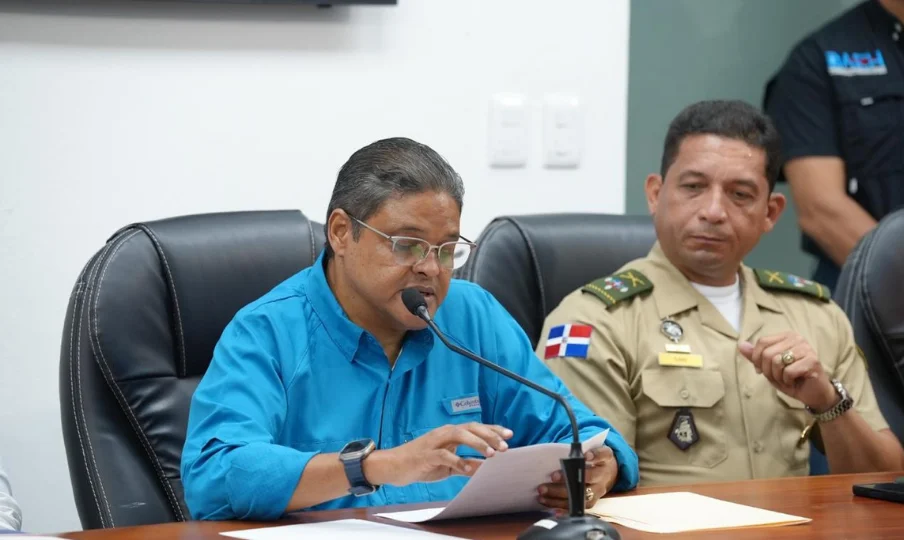
SANTO DOMINGO — The annual Holy Week holiday travel period in the Dominican Republic wrapped up with dozens of preventable deaths recorded across the country, per final statistics released by the nation’s Emergency Operations Center (COE, by its Spanish acronym) following the conclusion of the “Awareness for Life, Holy Week 2026” public safety operation.
In its official closing bulletin, COE confirmed that 27 people lost their lives in holiday-related incidents between the operation’s start and end, with 22 of those fatalities tied to traffic collisions and the remaining five stemming from drowning accidents. The report breaks down that motorcycles were implicated in the overwhelming majority of road crashes, making up 173 of the 203 total traffic accidents registered nationwide. In terms of location, 112 crashes took place within densely populated urban zones, while another 91 occurred on intercity highways and rural public roads. Of all people killed during the holiday, 18 were motorcycle riders, with other fatalities attributed to pedestrian hit-and-run incidents and additional water-related accidents.
Despite the grim final toll, authorities noted a notable improvement from last year’s event: overall fatalities dropped by 15.63% compared to the 2025 Holy Week operation. COE representatives credited this decline to expanded preventive public outreach campaigns and stepped up law enforcement surveillance across high-traffic and high-risk areas throughout the country. The operation’s data also mapped out which regions faced the highest volume of incidents, with the most cases recorded in the provinces of Santo Domingo, Puerto Plata, San Pedro de Macorís, La Altagracia, San Cristóbal, and the National District.
Beyond traffic and drowning incidents, the COE bulletin documented hundreds of non-fatal medical emergencies tied to the holiday. Responders recorded 506 confirmed cases of alcohol poisoning across the country, 28 of which involved underage individuals, alongside 207 cases of food poisoning linked to unregulated street vendors and poorly stored celebratory meals. Emergency teams also carried out 22 separate sea rescues for distressed recreational swimmers and boaters, safely reunited 24 separated minor children with their guardian families, and delivered more than 30,700 total assistance services, ranging from on-site medical care to emergency roadside support for stranded motorists.
Over 7.3 million Dominican residents and tourists traveled across the nation during the annual Holy Week holiday, one of the busiest travel periods on the country’s calendar. The multi-day national safety operation required coordinated deployment across dozens of public institutions, including the Dominican Armed Forces, national and regional health authorities, tourism regulatory bodies, and specialized local and national rescue agencies. As the operation drew to a close, COE leadership renewed its longstanding call for all travelers and holiday-goers to practice responsible behavior, emphasizing consistent helmet use for motorcycle riders and strict adherence to national traffic regulations as simple, critical steps to cut down on preventable holiday tragedies in future years.