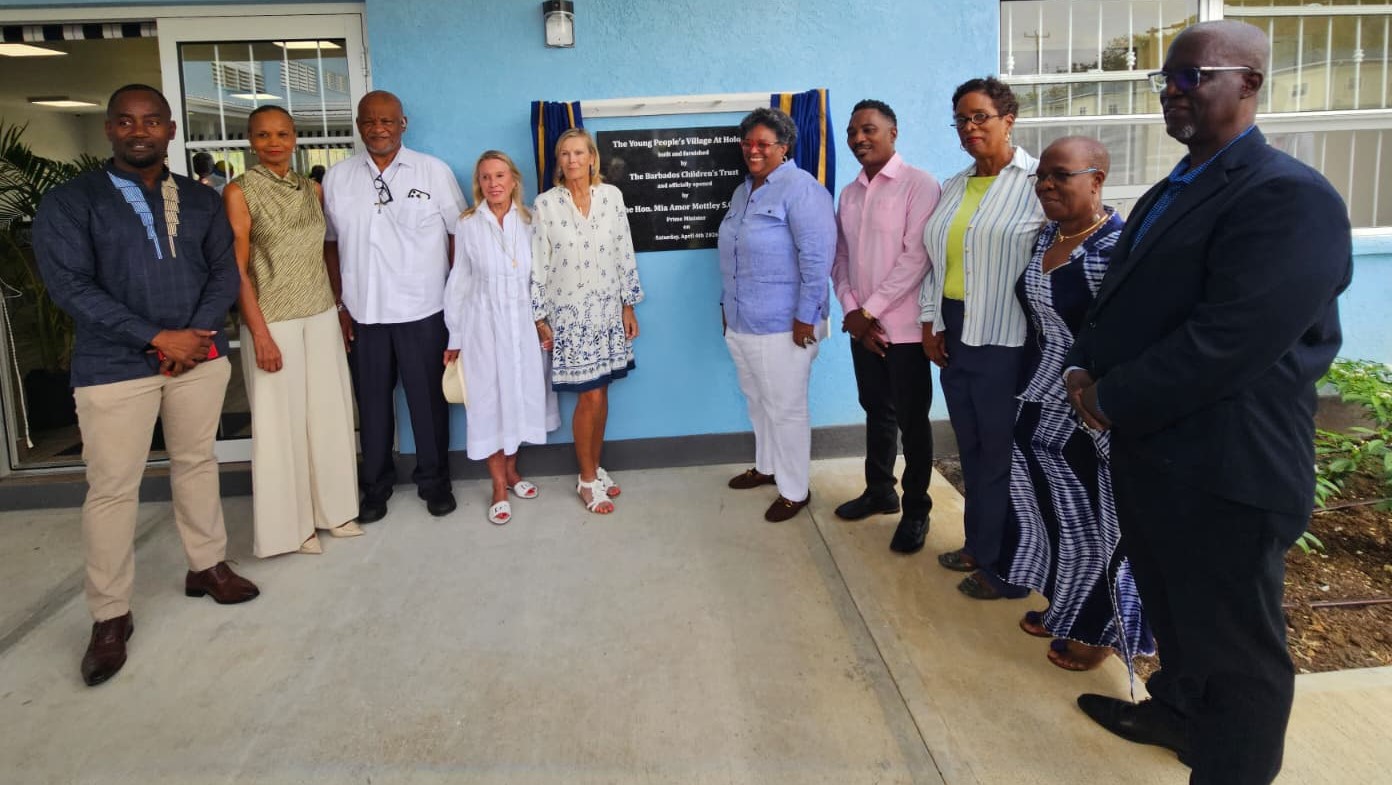
On the pristine island of Barbados, a major milestone in child protection and youth empowerment has been reached with the opening of a purpose-built residential facility designed to house and support foster children on the island. Inaugurated on a Saturday, this new development marks the official expansion of Barbados’ child protection infrastructure, fulfilling a long-held mission to support vulnerable youth across the country.
Developed by the non-profit Barbados Children’s Trust, this new initiative represents a significant step forward in Barbados’ efforts to provide safe, supportive housing for foster children, with a specific focus on helping them transition toward independent adulthood. The site, which was developed in collaboration with the non-profit Barbados Children’s Trust and the government’s Social Empowerment agency, now accommodates teenagers aged 12 to 18, with the specific goal of helping them transition from the more structured environment of the Nightingale Children’s Village into a setting that promotes independence and essential life skills.
The campus has been thoughtfully designed to accommodate young people at different stages of their development, with dormitory-style accommodation for younger residents, while older teens benefit from more independent living arrangements, including private bedrooms and shared living spaces. The site comprises a 3-acre campus that includes a main residence, activities centre, sports pavilion, with capacity for 37 young people and residential staff.
The overall design of the facility incorporates a strong focus on providing practical, hands-on training that will equip young people with valuable life and employability skills. For example, the central kitchen and laundry area has been designed to accommodate both everyday domestic use and commercial-style training, allowing residents to gain hands-on experience in food preparation and facility operations. Additional features include a beauty salon where residents can learn hair care and styling skills, with plans for a woodworking workshop to introduce other practical trades. Dedicated support spaces such as a doctor’s office, social worker’s office, and reflection room are part of the integrated model of care provided at the facility.
Outdoor amenities include courts for netball, volleyball, and road tennis, along with a floodlit playing field, reflecting a deliberate emphasis on physical activity as part of behavioural development. The compound is fully secured with perimeter fencing, 24-hour surveillance systems, and controlled access, ensuring a safe, secure environment for residents and staff.
According to Minister of People Empowerment and Elder Affairs Adrian Forde, this significant investment reflects the government’s ongoing commitment to safeguarding vulnerable youth and ensuring no child falls through the cracks. He thanked donors for their contribution to what he described as a life-changing initiative for vulnerable youth across Barbados.
Forde stressed that young people must be treated as rights holders, not passive recipients of care, adding: “The words endless possibility must be imbued in our young people.”
He said the facility would serve as a platform to equip residents with practical skills, including horticulture and culinary training, while also promising the addition of a recreational park to further enhance the environment for residents.
The minister outlined a broader national strategy focused on preventative intervention, arguing that exposure to structured opportunities and supportive environments reduces the likelihood of harmful behaviours and improves long-term outcomes for vulnerable youth. He also pointed to the ongoing expansion of social services across communities, particularly in St Michael, aimed at delivering support with greater accessibility and responsiveness to community needs.
Overall, the opening of this new facility represents a significant step forward in Barbados’ ongoing efforts to expand and improve child protection infrastructure across the country, fulfilling a long-held mission to support vulnerable youth and help them transition toward healthy, productive independent adulthood.