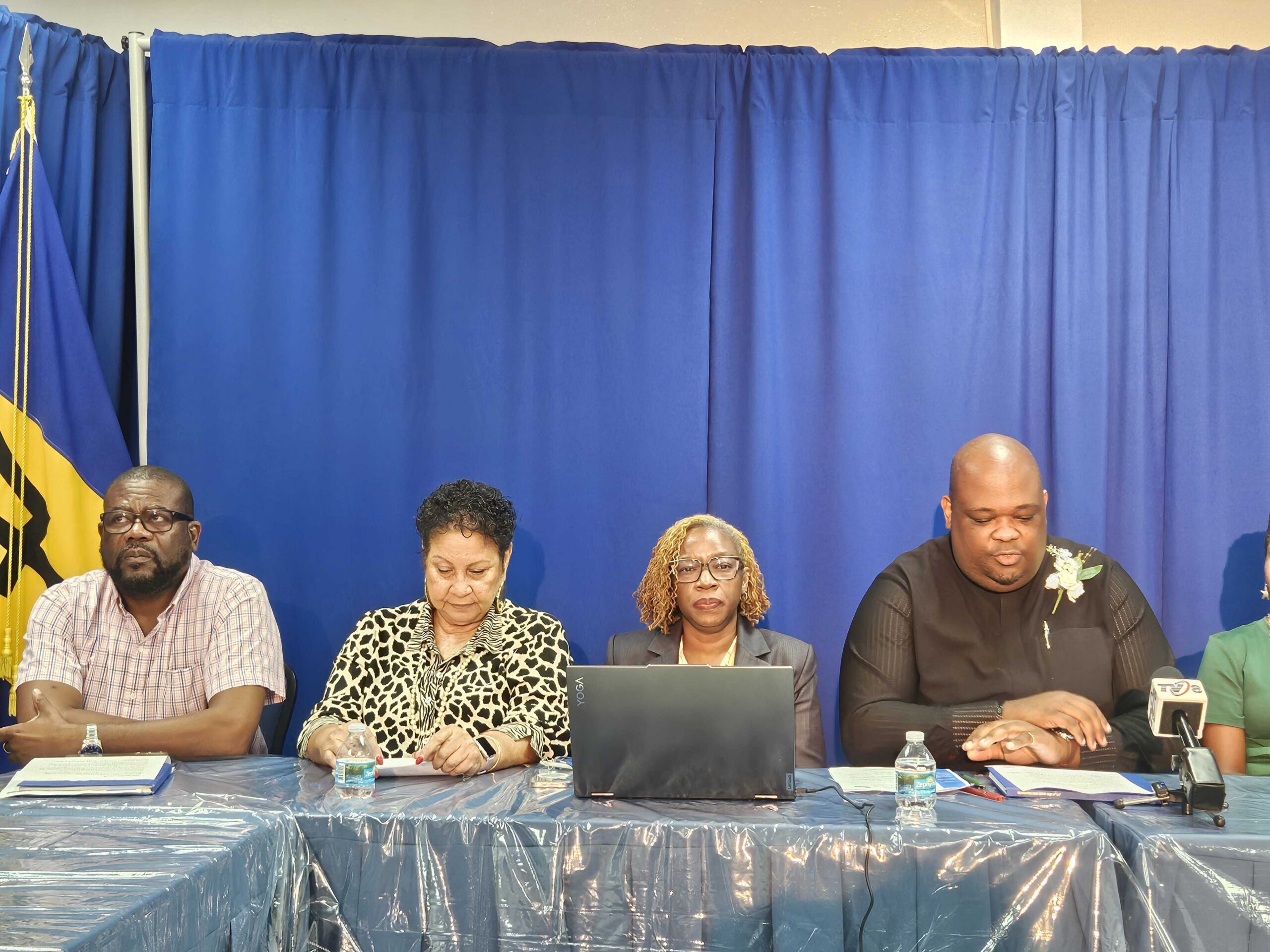
In a landmark achievement for educator welfare, Barbadian teachers have successfully reclaimed their entitlement to term’s leave following twelve years of persistent advocacy. Union leaders celebrated this restoration as a significant triumph during a Monday press conference at the Ministry of Education Transformation headquarters.
Gilbert Carmichael, General Secretary of the Barbados Union of Teachers (BUT), expressed profound relief at the resolution of this protracted struggle. “We’re extremely elated this afternoon,” Carmichael stated. “Twelve years certainly isn’t twelve days, and this has been a long, hard fight.” He acknowledged both governmental cooperation and membership solidarity as crucial factors in achieving this outcome.
The reinstated benefit, eliminated in 2014 under austerity measures by the Democratic Labour Party administration, allows qualified educators to receive a full school term of paid leave after fifteen years of service, renewable every five subsequent years. Originally intended as a temporary restriction, the policy had limited access to first-time applicants and those approaching retirement.
Mary-Ann Redman, President of the Barbados Secondary Teachers’ Union, described the development as resolving “a source of frustration, bother, hurt, anger to teachers in the system.” She emphasized the indispensable nature of term’s leave for educators’ emotional, physical, and professional well-being.
BUT President Rudy Lovell highlighted the contemporary relevance of this benefit, noting that teaching has become “one of the most intellectually and emotionally demanding” professions due to increased workloads, expanded administrative requirements, and additional teaching periods contributing to widespread fatigue and burnout.
The restoration followed sustained union efforts including legal action initiated in 2017 and a two-day strike by the BUT in April 2025. Ryan Phillips of the Congress of Trade Unions and Staff Associations of Barbados characterized the decision as signaling governmental commitment to worker welfare and potentially heralding improved dialogue regarding working conditions across Barbados’ public service.