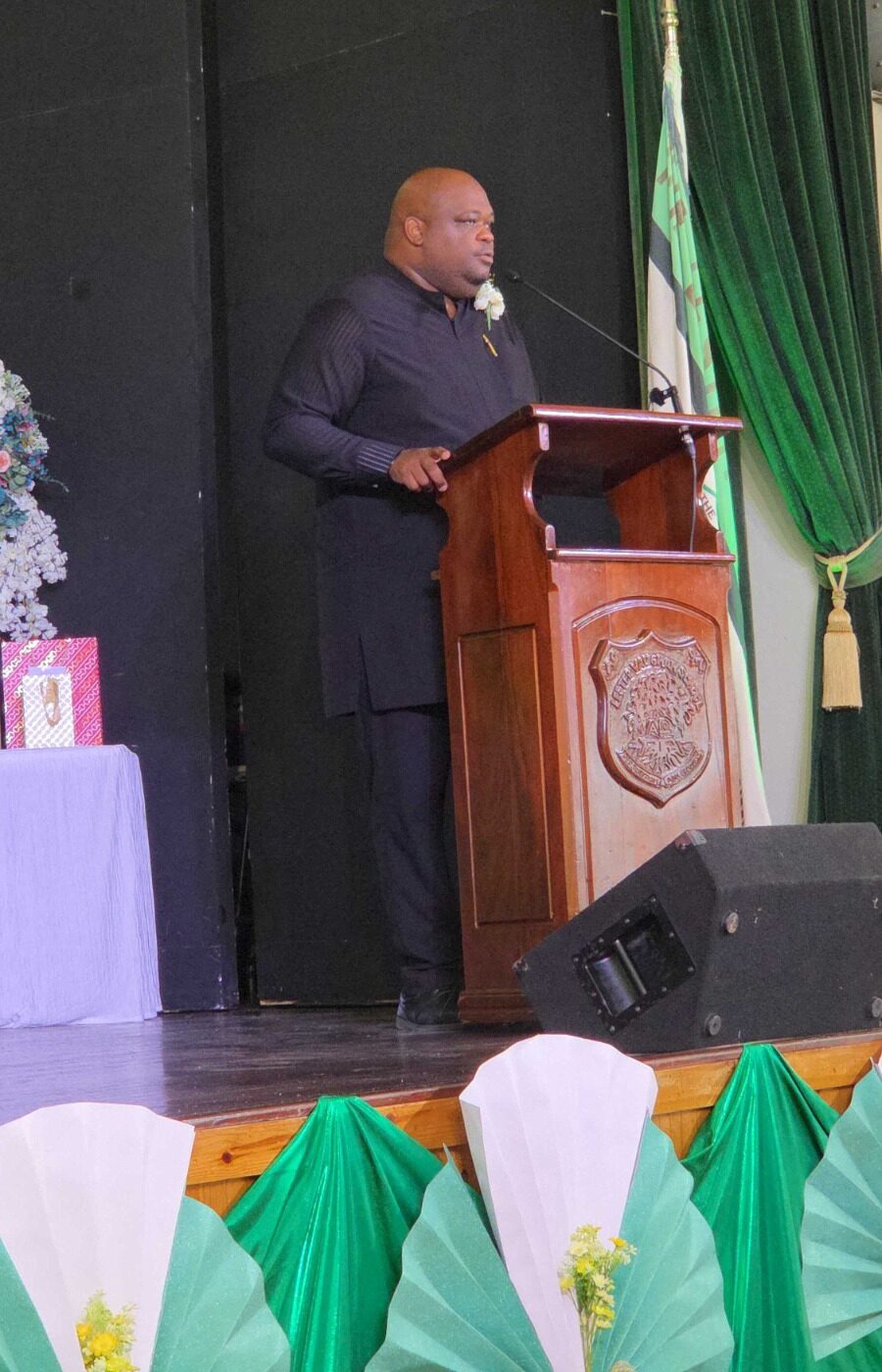
The Barbadian education system is entering a new phase of strict enforcement regarding student appearance and conduct. Education Minister Chad Blackman has declared an end to the grace period for the National Grooming Policy, mandating all schools to implement a zero-tolerance approach starting Term 3 and continuing into the new academic year.
During his address at the Lester Vaughan School’s annual ceremony, Minister Blackman emphasized that this policy is a cornerstone of the broader education transformation agenda, fundamentally rooted in developing personal character. The policy explicitly empowers school principals with the authority to maintain high standards of presentation, moving beyond mere aesthetics to prepare students for professional life.
While public discourse has frequently centered on hairstyles, the minister clarified that the policy’s scope is far more comprehensive. It establishes clear prohibitions against makeup, artificial eyelashes, long acrylic nails, sagging trousers, and excessively tight or short skirts. All tattoos must be concealed, and general hygiene, including clean fingernails and polished shoes, is emphasized. The use of vibrant, unnatural hair colours is also expressly forbidden, as the ministry seeks to eliminate distractions within the learning environment.
Introduced in January 2023 by the Mia Mottley administration, this framework attempts to navigate a delicate balance. It aims to respect a child’s right to self-expression, particularly regarding natural hairstyles, while simultaneously curbing trends deemed inappropriate for school. The government positions these standards as a necessary synthesis of 21st-century individuality and traditional order.
The announcement has sparked a mixed response. The Barbados Union of Teachers (BUT) has called for even greater clarity in the guidelines to prevent inconsistent application across various institutions. Social commentators remain divided, with some viewing the strict measures as a crucial step to curb declining discipline, while others see it as an excessive measure.
Minister Blackman issued a direct warning to parents nationwide, urging them to inspect their children before they leave home to ensure compliance. He framed discipline as the ultimate key to future success, arguing that academic certifications and creativity alone are insufficient. “But that one thing called discipline will unlock doors that money and qualifications cannot,” he stated, cautioning students that failure to master self-discipline in school would lead to difficulties in the demanding global job market.
This renewed focus on discipline aligns with significant government investments in vocational training, exemplified by the new cosmetology laboratory unveiled at the same event, signaling a holistic approach to education reform.