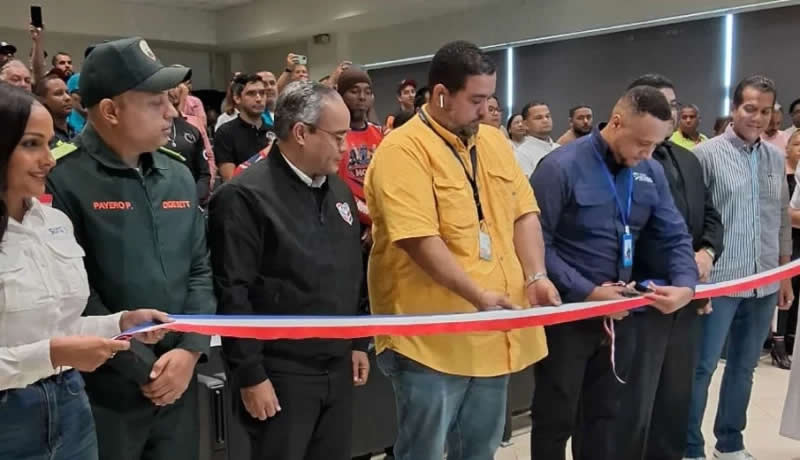
The Dominican Republic has initiated a comprehensive national effort to combat its escalating road safety crisis through the First Road Safety Congress for Motorcyclists, titled “Safe Course.” Organized by the Dominican Road Mobility Foundation (Movido), the landmark event convened at the High Technology building of the Autonomous University of Santo Domingo’s Faculty of Engineering and Architecture, bringing together the nation’s foremost transportation authorities and safety experts.
The congress centered on the critical premise that “investing in road safety is not an expense, but an investment in human lives, productivity and social welfare.” This foundational concept guided discussions among key participants including Engineer Omar Segura, Dean of UASD’s Faculty of Engineering and Architecture; Joel Gneco, Director of Transit at the National Institute of Transit and Land Transport (Intrant); and Franklin Glass, Executive President of the Dominican Chamber of Insurers and Reinsurers (Cadoar).
Engineer Segura delivered a technical analysis highlighting how street design directly impacts accident rates, noting that “the motorcycle is highly sensitive to the environment of life.” He explained that common road conditions like potholes or inadequate drainage significantly reduce grip, creating potentially fatal hazards for motorcyclists. Segura proposed five strategic solutions: implementing inclusive road design standards, ensuring continuous pavement maintenance, adapting protective metal railings specifically for motorcycle safety, applying effective technological controls, and strengthening specialized education programs.
Complementing the engineering perspective, psychologist Ofelia Mera addressed the human factors in road safety, emphasizing that on-the-road behavior reflects drivers’ personality traits and cognitive abilities. She defined risk perception as a “cognitive-emotional process through which traffic users interpret, assess the probability of suffering the accident, and the magnitude and consequences.”
Franklin Glass presented startling comparative data, revealing that while the COVID-19 pandemic prompted nationwide lockdowns after causing 4,200 deaths over eighteen months, the country records approximately 3,400 annual traffic fatalities without comparable economic disruption. Glass highlighted that only 38% of motorcyclists carry insurance and proposed developing accessible, tailored policies covering health, life, accident, and theft protection.
The congress concluded with a practical emergency response drill conducted by Civil Defense personnel, while recognizing contributions from transportation advocates Maribel Bellapart, Miguel Franjul, and Yindhira Taveras.