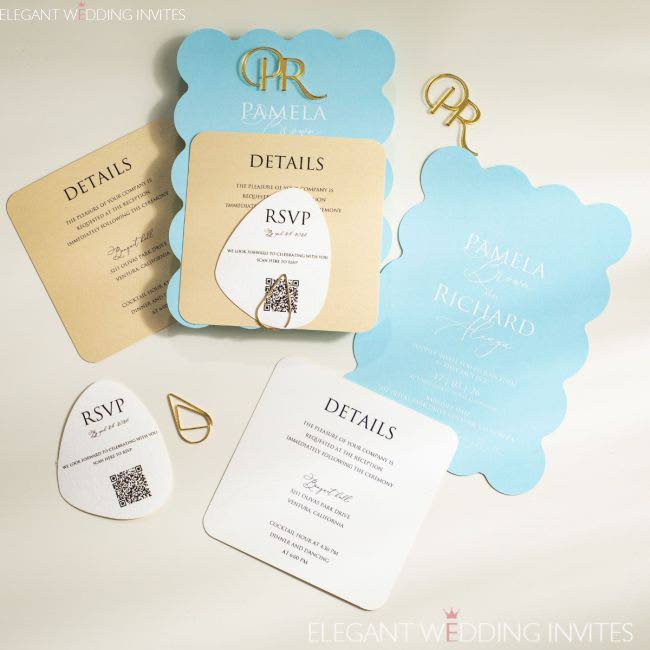
Contemporary wedding communication has undergone a remarkable transformation, evolving from basic informational cards into sophisticated narrative instruments that establish the preliminary ambiance for matrimonial celebrations. This evolution represents a fundamental shift in how couples conceptualize their wedding’s first impression, utilizing stationery as a strategic design component rather than merely a practical necessity.
The modern invitation suite functions as a curated preview experience, offering guests their initial encounter with the wedding’s aesthetic vision before they physically arrive at the venue. Industry experts now advocate for treating stationery as integral to event branding, where typographic selections, color schemes, and material textures collectively hint at whether the occasion will be a tropical destination event, formal ballroom gathering, or casual garden celebration.
A significant development in this domain is the proliferation of multi-layered invitation ensembles. These comprehensive packages typically incorporate primary invitation cards, digital response mechanisms through QR codes, detailed information cards specifying schedules and attire expectations, artistically rendered venue maps, and custom-designed envelope liners. These elements are frequently assembled using luxurious finishes including vellum overlays, silk ribbons, and personalized wax seals, creating an elevated unboxing experience for recipients.
Artistic customization has emerged as a dominant trend, with couples commissioning hand-drawn illustrations that visually narrate their personal stories or depict ceremonial locations. Watercolor venue renderings and whimsical doodles of meaningful details have gained particular popularity for their ability to produce lasting mementos that guests may preserve beyond the wedding day.
The tactile dimension of stationery has received heightened attention, with couples selecting textured materials and dimensional finishes that transform invitations into miniature art pieces. Deckled-edge paper, embossed letterpress typography, and velvet accents contribute to this sensory experience. Simultaneously, non-traditional shapes—including arches, circular designs, and theme-responsive forms—are displacing conventional rectangular formats, frequently accompanied by bold typographic treatments and vibrant color palettes.
Digital integration has become an essential complement to physical stationery, with couples maintaining the elegance of printed materials while incorporating practical technological elements. Wedding websites and digital RSVP platforms now commonly accompany traditional invitations, providing comprehensive event information and streamlined response management.
The most progressive development involves the conceptualization of wedding branding, where couples establish cohesive visual identities that extend across all event elements. Custom monograms, heraldic crests, and thematic motifs appear consistently throughout stationery, signage, menus, and decorative elements, creating a polished and immersive atmospheric experience for attendees. This holistic approach ensures that wedding paper products transcend their functional role to become integral components of the event’s decorative scheme and emotional narrative.
Ultimately, contemporary wedding stationery serves as both aesthetic preview and lasting souvenir, capturing the essence of the celebration while providing guests with a tangible reminder of the love story they witnessed.