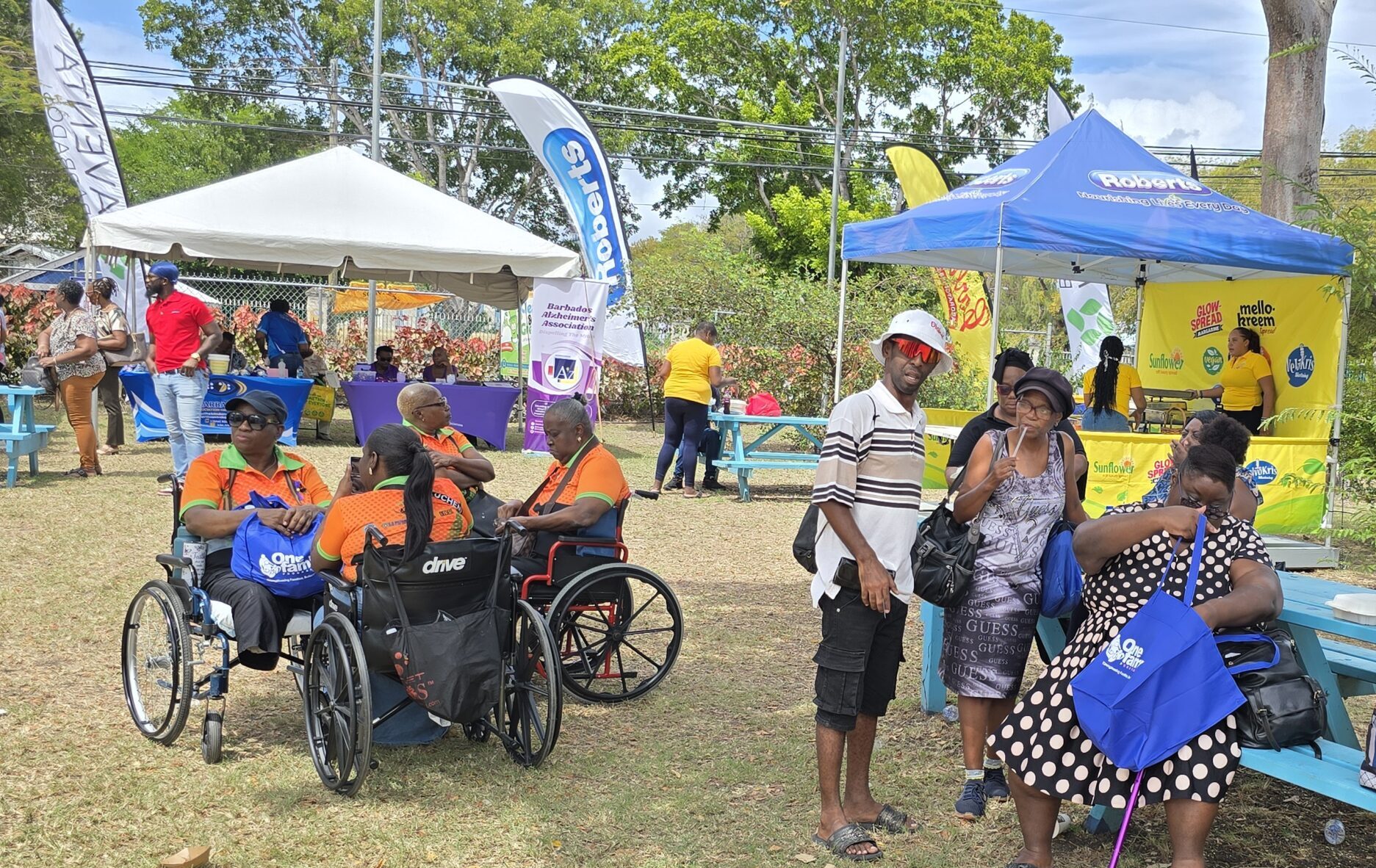
As Barbados prepares for Monday’s national budget announcement, disability advocates are intensifying calls for substantive government measures to improve accessibility, foster inclusion, and expand support systems for persons with disabilities. This mobilization comes despite the landmark passage of the Rights of Persons with Disabilities Act in 2025, which advocates acknowledge as significant progress but emphasize requires robust enforcement mechanisms to realize its full potential.
At a recent Health Fair organized by the Social Empowerment Agency, numerous individuals with disabilities articulated specific challenges and expectations. Christopher Gilkes, living with Spina Bifida and Hydrocephalus, highlighted the prohibitive cost and complex processes involved in obtaining essential assistive devices. “The bureaucratic hurdles and financial burden to acquire something as basic as a wheelchair remain overwhelming,” Gilkes stated.
Accessibility in public infrastructure emerged as a recurring concern. Quadriplegic Christopher Rouse noted the partial progress in transportation, acknowledging some wheelchair-accessible buses while criticizing the persistent inadequacy of supporting infrastructure. “From inaccessible bus terminals to sidewalks that force disembarkation onto roads, the challenges remain substantial,” Rouse explained, emphasizing that transportation solutions require comprehensive infrastructure overhaul.
Healthcare accessibility beyond basic services was another priority. Suzanne Haewood, who has Rheumatoid Arthritis, advocated for expanded coverage to include dental and vision care in the upcoming budget. Amputee Meldine Norville brought attention to the critical need for prosthetic support, describing the financial and systemic barriers that prevent individuals from regaining mobility. “Prosthetic legs are prohibitively expensive, and government support for restoring mobility remains insufficient,” Norville asserted.
Norville further detailed systemic employment discrimination and physical barriers in public spaces, noting that many establishments lack adequate facilities, ramps, or even accessible restrooms, effectively excluding disabled individuals from routine activities. This sentiment was echoed by Afeefa Manjra, who is blind and partially deaf, calling for increased braille implementation in public areas and prescription labeling.
Pedro Belgrave emphasized the need for policies promoting independence through improved access to housing, sports, and educational opportunities. Acting Director of the Social Empowerment Agency, Wayne Nurse, acknowledged these concerns while outlining the government’s commitment to healthcare accessibility in new policy frameworks. “Our recently passed policy specifically addresses equitable healthcare access for persons with disabilities, ensuring they receive care equivalent to other citizens,” Nurse stated, though concrete budgetary allocations remain to be seen.