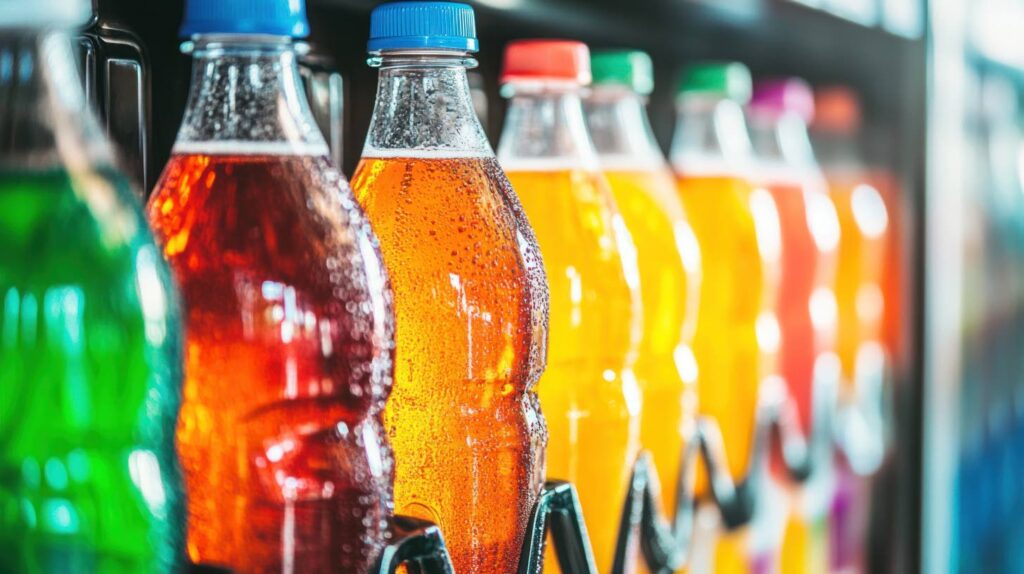
During the 2026-2027 Budget Debate at Gordon House on Tuesday, Opposition Finance Spokesman Julian Robinson launched a substantive critique against the government’s newly proposed tax on non-alcoholic sugary beverages. While acknowledging the serious public health concerns surrounding excessive sugar consumption, Robinson fundamentally questioned whether the fiscal measure would achieve its stated objective of curbing diabetes and obesity rates.
Robinson articulated that the core flaw in the policy lies in its economic impact on consumer behavior. He argued that imposing a tax simply increases the cost of all beverages, making healthier alternatives—already priced at a premium—even less accessible to the average Jamaican. This, he contended, fails to address the root of the problem. Instead of weaning citizens off sugar, the tax may merely place a heavier financial burden on those who can least afford it, without reducing their sugar intake.
Proposing an alternative pathway, the Opposition Spokesman insisted the government possesses a more direct and effective regulatory tool: mandating manufacturers to reformulate their products. By requiring a reduction in sugar content within a defined timeframe, the administration could directly limit the amount of sugar consumed by the populace, an action Robinson stated is well within the government’s existing legal authority.
The critique centers on the government’s chosen policy mechanism, suggesting that a tax is a revenue-generation tool misrepresented as a health intervention. Robinson’s analysis concludes that without affordable and accessible healthy alternatives, the levy will miss its public health target, leaving Jamaica’s pressing sugar consumption issue unresolved.