In an unprecedented move against climate vulnerability, the Caribbean Development Bank (CDB) has announced a landmark allocation of US$226.7 million for climate action initiatives throughout 2025. This commitment establishes a new benchmark in the institution’s history, representing a staggering 100% increase from the US$101.5 million dedicated in 2024 and constituting nearly half of the bank’s total project approvals for the upcoming year.
The substantial funding surge is primarily attributed to a major US$125 million environmental policy-based loan (PBL) extended to Guyana, supplemented by parallel financing packages of US$30 million each for Dominica and St Vincent and the Grenadines. These strategic PBLs are designed to underpin comprehensive reforms across critical sectors including biodiversity conservation, climate mitigation strategies, and sustainable water resource management. Beyond policy implementation, the financing will significantly enhance the technical and financial capabilities of member nations to withstand and rapidly recover from climate-induced disruptions.
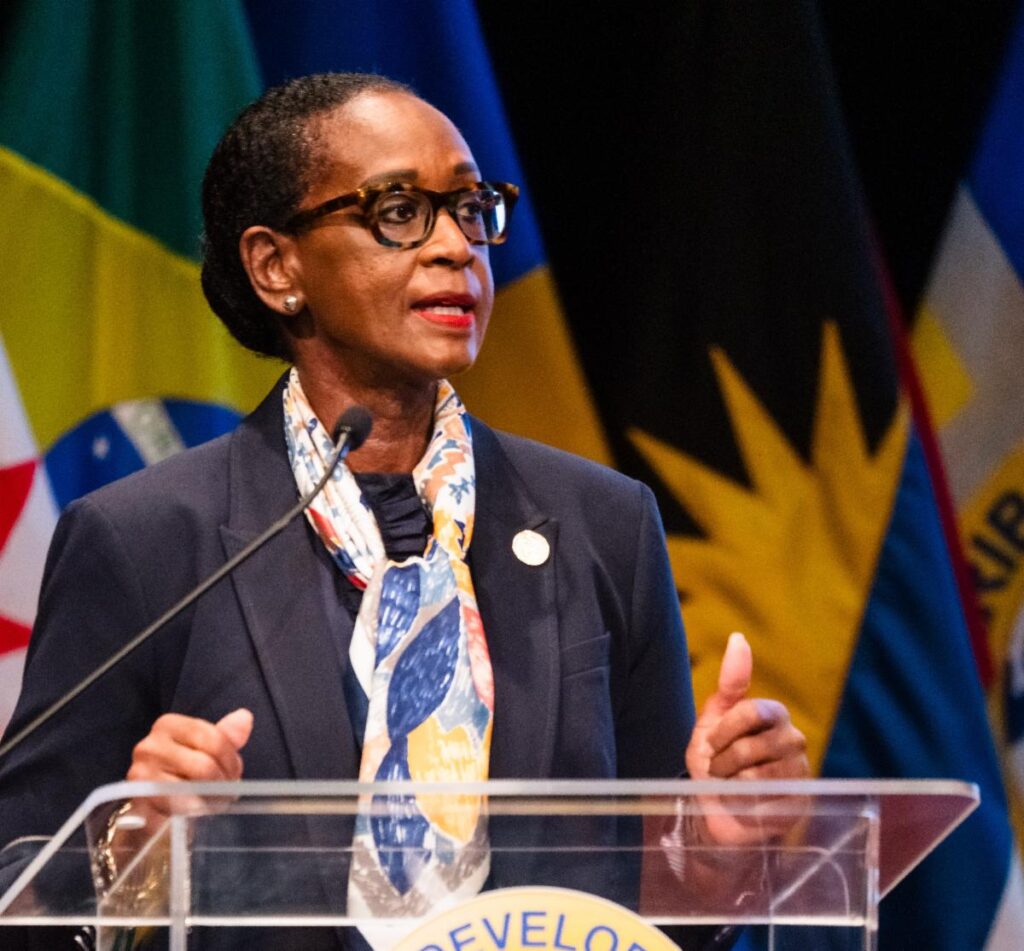
Valerie Isaac, Division Chief of Environmental Sustainability at CDB, emphasized the critical nature of this investment during the bank’s annual news conference in Bridgetown, Barbados on March 3. “The climate crisis transcends mere challenge—it represents an existential threat to our development and wellbeing, disproportionately impacting the most vulnerable populations,” Isaac stated. “Building resilience is no longer optional or luxurious; it has become an absolute prerequisite for regional growth and stability.”
Complementing its internal allocations, CDB successfully secured an additional US$27 million in blended grant and loan financing from the Green Climate Fund (GCF) for the Integrated Utility Services Programme. With a total investment volume exceeding US$68 million, this initiative will accelerate the deployment of energy efficiency measures and distributed renewable energy solutions, including rooftop solar installations, across Barbados, Belize, and Jamaica.
Concurrently, a further US$27 million in GCF grant resources will finance the Caribbean Hydrometeorological and Multi-Hazard Early Warning Services Project. This program aims to modernize vital forecasting infrastructure in Belize and Trinidad and Tobago, thereby safeguarding the lives and livelihoods of approximately 1.8 million residents.
The operational launch of CDB’s Climate Change Project Preparation Fund marked another significant achievement in 2025, specifically engineered to eliminate pipeline bottlenecks that hinder climate capital flow. This dedicated fund will catalyze increased financing for climate action projects throughout CDB’s borrowing member countries.
Looking ahead, Isaac confirmed that CDB intends to intensify its climate momentum throughout 2026. Strategic priorities include finalizing a US$200 million regional blue economy program focused on ocean resource protection while simultaneously generating employment opportunities within the marine sector. The bank will also introduce a flagship regional platform to develop actionable investment portfolios aligned with national energy and transport priorities, alongside initiatives bolstering water sector resilience and promoting locally led climate adaptation measures.
“The decisions and actions we implement today will fundamentally shape the Caribbean’s development trajectory for the next half-century,” Isaac concluded. “Our path forward involves continuous innovation and transformation, enhancing institutional capacity both within CDB and across our member states, accelerating the development of investment-ready projects, mobilizing climate and disaster finance at scale, deepening strategic partnerships, and advancing coordinated regional climate action.”