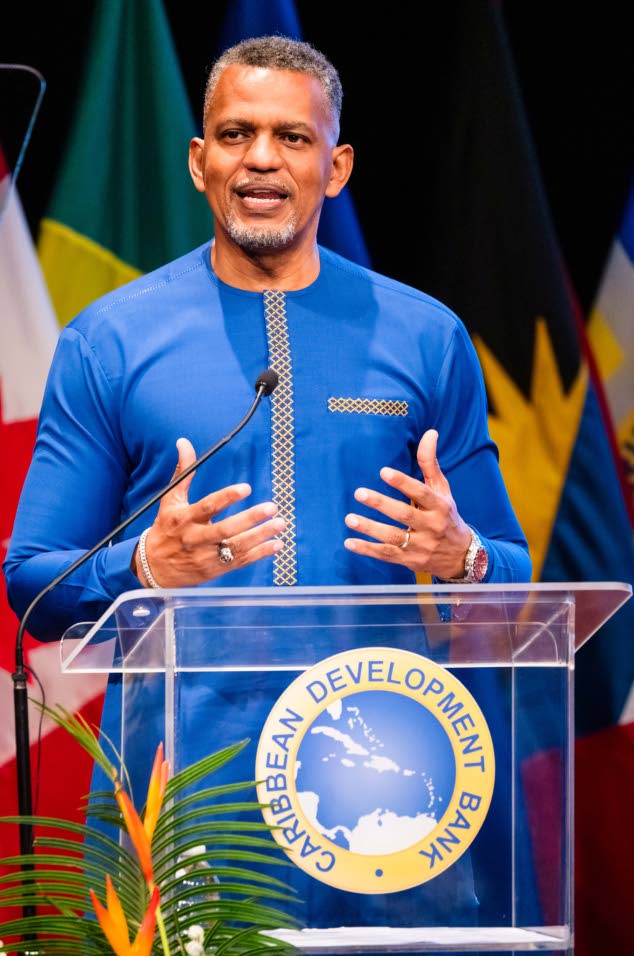
In a historic policy shift, the Caribbean Development Bank (CDB) has announced it will begin financing health sector initiatives across the region for the first time in decades. This strategic pivot comes as Caribbean nations confront growing uncertainty about the future of Cuban medical missions that have long supplemented their healthcare systems.
CDB President Daniel Best revealed during the bank’s annual news conference in Barbados that the institution’s newly approved 2026-2035 strategic plan formally recognizes health as a priority intervention area. This marks a significant departure for an organization traditionally focused on infrastructure, climate resilience, and economic development.
The policy change gained urgency following Jamaica’s recent announcement that it would discontinue its decades-old medical cooperation program with Cuba after the two nations failed to reach agreement on new terms. This program had been instrumental in filling critical staffing gaps in Jamaica’s public health system, providing doctors, nurses, and specialists across the island.
The decision has already created visible impacts. At the Jamaica-Cuba eye care clinic at St Joseph’s Hospital in St Andrew, large numbers of patients recently sought treatment ahead of the anticipated departure of Cuban specialists who have long supported the program.
Similar concerns have emerged throughout the Caribbean, where several health systems rely heavily on Cuban medical personnel to address shortages in specialized care. The situation has drawn wider geopolitical attention, with the United States increasing criticism of Cuba’s overseas medical missions by alleging the program constitutes forced labor—accusations that Cuba and many Caribbean governments have rejected.
Best acknowledged that these developments could create significant challenges for small island states already grappling with workforce shortages and rising healthcare costs. “With Cuban medical practitioners perhaps exiting the region, this could certainly become a developmental issue,” he stated. “And as the region’s development bank, we are here to support our countries.”
The CDB’s approach will not involve directly building hospitals or managing medical programs. Instead, the bank intends to support governments through partnerships, technical assistance, and financing aligned with national development strategies. Potential interventions would likely emerge through the bank’s country engagement strategies—the frameworks used to guide development financing in borrowing member states.
This policy shift reflects a growing recognition that health outcomes are increasingly shaping economic resilience across the Caribbean. Several countries in the region face some of the world’s highest rates of non-communicable diseases, including diabetes, hypertension, and heart disease—conditions that place significant strain on national health systems and public finances.
Under the bank’s new strategic plan, health falls within its broader initiative to strengthen social resilience, one of three pillars guiding the institution’s work over the next decade alongside economic and environmental resilience. This approach signals an evolution in development thinking, with financial institutions increasingly recognizing that economic growth depends heavily on human capital strength, including access to reliable healthcare.
For Caribbean governments operating under tight fiscal constraints, the possibility of development financing for health sector improvements could become increasingly vital as medical systems face intensifying pressures from ageing populations, chronic disease burdens, and uncertainty surrounding long-standing medical cooperation arrangements.