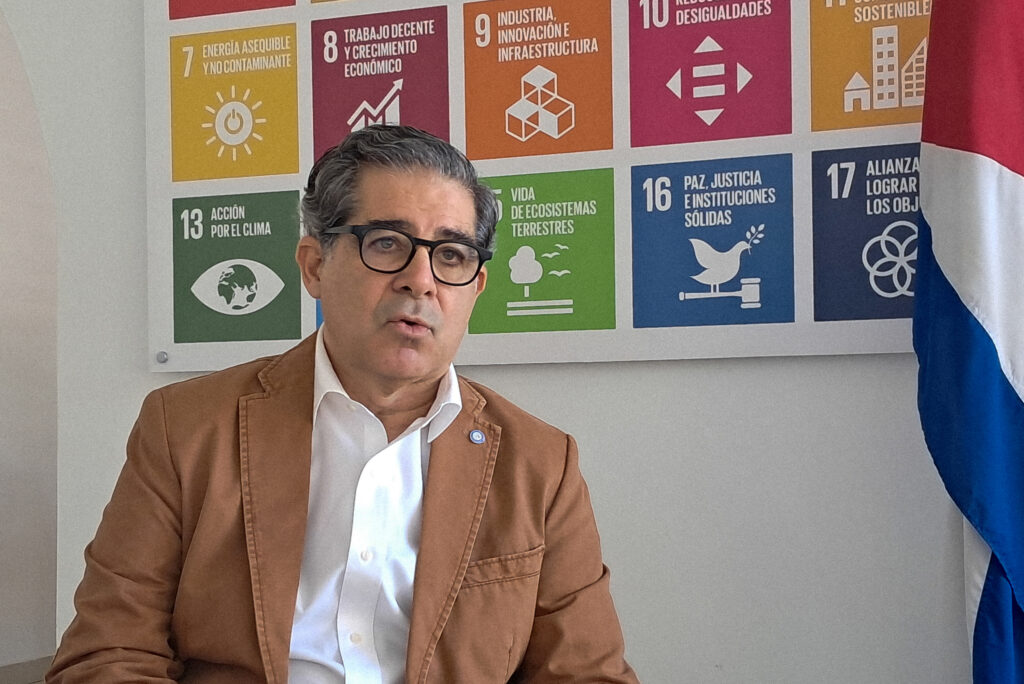
The United Nations has initiated diplomatic discussions with the United States government to secure humanitarian exemptions to the stringent oil embargo currently imposed on Cuba. UN Coordinator Francisco Pichon confirmed to AFP that these negotiations aim to facilitate fuel access specifically for emergency relief operations and vulnerable population support services.
According to Pichon, UN representatives have engaged in substantive exchanges with the Trump administration to guarantee fuel availability for critical humanitarian functions. These discussions specifically address the energy requirements of Cuban non-governmental organizations partnering with UN agencies, along with state-operated healthcare facilities serving elderly citizens, pregnant women, and other vulnerable demographic groups.
This diplomatic development occurs against the backdrop of President Trump’s intensified sanctions regime targeting Cuba’s communist government. Following similar measures against Iran and Venezuela, the administration implemented a comprehensive energy blockade in January that has severely constrained Cuba’s economic functions. The embargo has resulted in a complete halt of oil shipments to the island nation for two consecutive months, creating cascading effects across multiple sectors.
Commercial aviation has been particularly affected, with multiple airlines reducing or suspending flight operations to Cuba due to fuel unavailability. The country’s power generation infrastructure and agricultural sector face critical fuel shortages, bringing daily economic and social activities to near paralysis. President Trump recently informed Latin American allies that Cuba approached its ‘final moments of life’ under current conditions.
The UN itself faces operational challenges within Cuba, with Pichon confirming that strict fuel rationing has compromised the organization’s capacity to execute its humanitarian mandate. Field operations have been largely suspended, while UN agencies struggle to retrieve and distribute aid shipments from ports and airports due to transportation constraints.
Cuban leadership under President Miguel Diaz-Canel has implemented emergency fuel conservation measures, including stringent rationing protocols. The government maintains that the Trump administration’s policies represent a deliberate attempt to destabilize Cuba’s economy and political system. Washington justifies the embargo by characterizing Cuba as an ‘extraordinary threat’ to United States interests, continuing a long-standing geopolitical stance toward the Caribbean nation.