In a significant endorsement of educational reform, Barbados’ Group of Concerned Parents has applauded the government’s forthcoming universal free breakfast program for primary schools, characterizing it as a crucial intervention addressing socioeconomic barriers to student achievement. The initiative, scheduled for nationwide implementation in September 2026, represents the latest evolution in the nation’s nine-decade tradition of school nutrition programs that began with milk and crackers in the 1930s before transitioning to hot lunches in 1963.
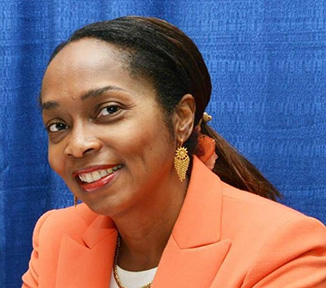
Spokeswoman Paula Ann Moore emphasized the program’s recognition of the tangible challenges confronting financially disadvantaged children. “No child can learn properly when they are hungry,” Moore stated, connecting nutritional deficits to behavioral issues observed in educational and social settings. She noted that many children exhibiting deviant behavior originate from households struggling with provision of basic necessities.
Beyond addressing hunger, the breakfast initiative promises practical benefits for school logistics. Moore highlighted potential alleviation of cafeteria congestion, suggesting that universal morning meal access could eliminate the protracted lunchtime queues that currently consume entire lunch periods. This operational efficiency could simultaneously assist families in morning planning through guaranteed nutritional access.
However, the parents’ group issued measured cautions regarding program execution. Success determinants include adequate financial allocation, realistic timelines, adherence to nutritional standards, and careful implementation to prevent stigmatization should means-testing be introduced despite the program’s universal designation. Moore posed critical implementation questions: “How will we measure the success of this school breakfast initiative? Adequate planning with realistic timelines, adequate financial and other logistical resources, and accordance with the school nutrition policy ensuring healthy food is provided—all of which aren’t cheap—are all essential for long-term sustainability.”
The breakfast program constitutes one component within a broader education transformation project whose comprehensive documentation the group has requested be made public. Drawing parallels to Jamaica’s 2021 Education Reform Report, Moore advocated for transparency to ensure stakeholder alignment in this “critical backbone of our national development.”
This initiative continues Barbados’ distinctive tradition of educational investment within the Caribbean Community, including universally free secondary education, textbook loan schemes, and existing meal programs. Moore characterized this consistent policy focus as “unique in CARICOM, if not globally,” particularly for a small developing nation.
The group concluded with cautious optimism, expressing willingness to collaborate with authorities to realize the broader education transformation, while acknowledging that ultimate validation will emerge through implementation: “The proof of the pudding is in the eating.”