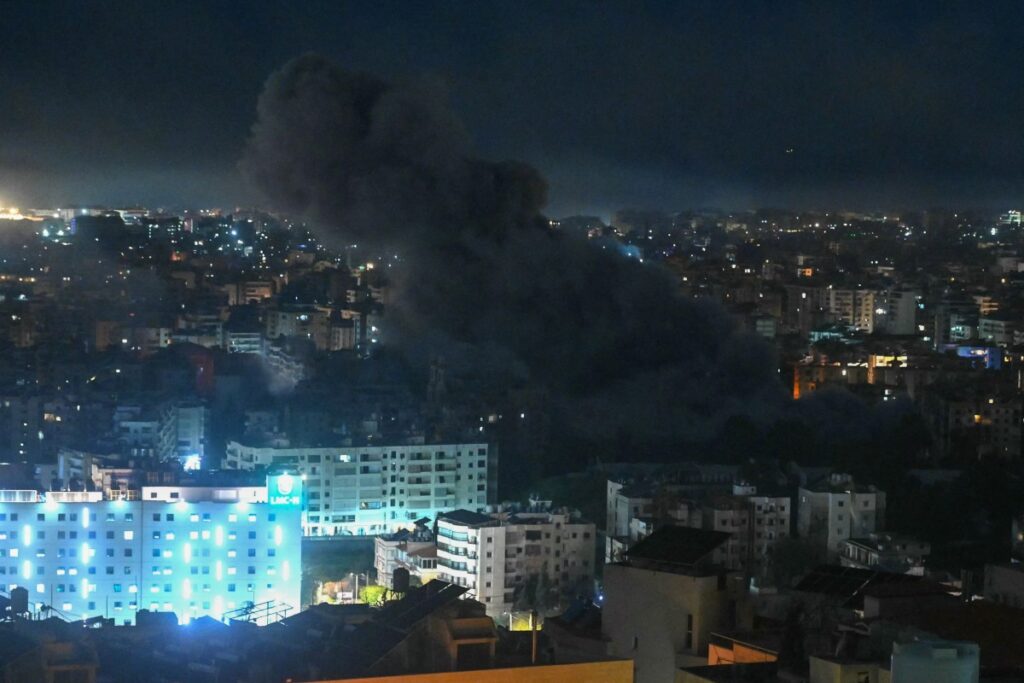
The Middle East confronts an expanding military crisis as the Iran-Israel war enters its seventh day, triggering widespread regional destabilization and international concern. Israeli forces have initiated what they term the ‘next phase’ of operations, conducting precision airstrikes against Hezbollah infrastructure in Beirut’s southern suburbs following unprecedented evacuation warnings that prompted mass civilian displacement.
The conflict’s ripple effects extend globally, with significant naval engagements occurring off the Sri Lankan coast where American submarines targeted Iranian warships. Simultaneously, Azerbaijan has issued retaliatory threats following drone attacks on its aviation facilities, while multiple nations including Australia and Canada are deploying military assets to the region.
Political dimensions intensified as former U.S. President Donald Trump publicly rejected Mojtaba Khamenei’s potential succession to his deceased father’s leadership role, characterizing him as ‘unacceptable’ and demanding an Iranian leader who would ‘bring harmony and peace.’ These remarks suggest a potential shift toward working within existing governmental structures despite previous calls for regime change.
Lebanon faces severe humanitarian consequences with official reports indicating at least 123 fatalities, 683 injuries, and approximately 90,000 displaced persons since Monday. Civilian testimonies describe scenes of panic and humiliation as families fled under fire with limited refuge options.
Iranian leadership maintains a defiant stance, with Foreign Minister Abbas Araghchi explicitly rejecting ceasefire negotiations and expressing confidence in repelling potential ground invasions. Military assessments from Israel claim destruction of 60% of Iranian missile launchers and 80% of air defense systems, though these figures remain unverified independently.
The strategically critical Gulf region experiences unprecedented violence, with Iranian strikes targeting urban centers and energy infrastructure across multiple monarchies. Kuwait, Bahrain, Saudi Arabia, Qatar, and the United Arab Emirates all report intercepted missiles, drone debris incidents, and civilian casualties including an 11-year-old girl killed in Kuwait.
As black smoke continues to rise over multiple capitals and military leadership promises ‘additional surprises,’ the conflict shows no signs of de-escalation, posing profound challenges to regional stability and international security architectures.