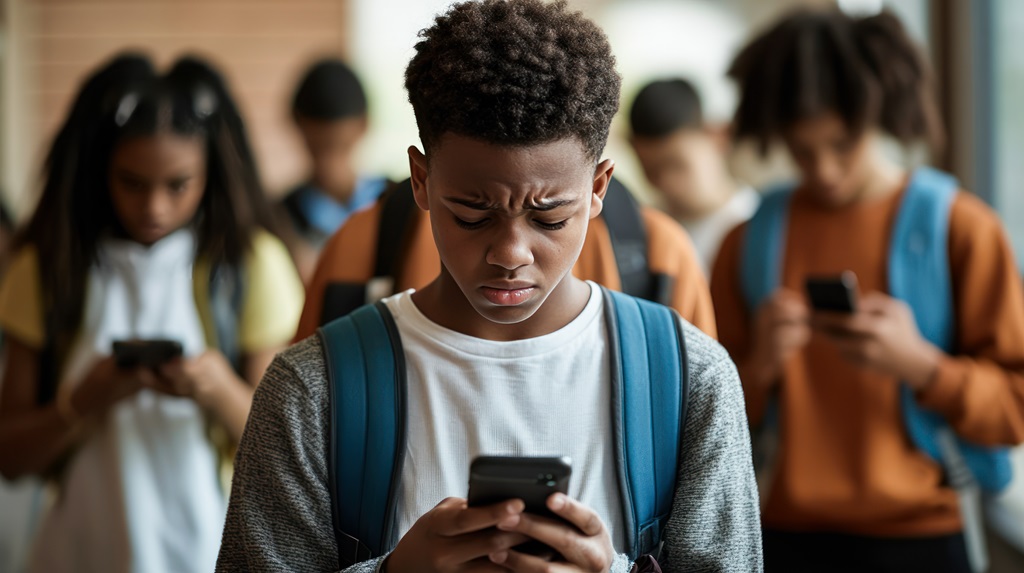
Jamaica faces mounting pressure to implement social media restrictions for minors as educational and psychiatric experts highlight an escalating mental health crisis linked to digital platform usage. This development coincides with landmark litigation against tech giants in the United States alleging deliberate platform engineering for child addiction.
Jamaica Teachers Association (JTA) President Mark Malabver revealed disturbing classroom realities, stating, “I have witnessed students threatening suicide after phone confiscations. Their emotional dependency on these devices has reached critical levels.” While acknowledging some educators’ innovative use of social media for instruction, Malabver asserted the overall harms significantly outweigh benefits, describing platforms as fundamentally disruptive to learning processes.
The association president further noted concerning shifts in childhood socialization patterns, with interpersonal development increasingly occurring through digital interfaces rather than physical interaction. “We’re navigating uncharted waters,” Malabver warned, “where technology dictates our direction rather than us steering its course.”
Medical experts reinforce these concerns. Former Jamaica Psychiatric Association President Dr. Sapphire Longmore cited regional predispositions to depression and anxiety, particularly among youth from unstable family environments. “When children lack foundational identity structures, they become exceptionally vulnerable to social media’s addictive properties and associated harms,” she explained.
Technology executive Christopher Reckord, who chairs national AI policy committees, confirmed platform design intentionally promotes extended engagement. “These systems are architecturally designed to encourage perpetual usage,” stated Reckord, while expressing full support for age-based restrictions despite his professional involvement in digital transformation.
Australia’s recent prohibition on social media profiles for under-16s and similar French legislative actions provide international precedents. Jamaican experts propose graduated interventions, including school-based device bans and mandatory content controls. “We previously attended schools without phones successfully,” Reckord noted, advocating for play-based childhood development over screen-based socialization.
Dr. Longmore emphasized beyond-restriction solutions, proposing automated intervention triggers for suicidal ideation content and enhanced identity-building programs. “Alongside artificial intelligence, we must promote ancestral intelligence—grounding youth in cultural heritage and personal purpose to counter digital harms.”
The consensus among Jamaican professionals indicates urgent need for policy development balancing digital access protections with psychological safeguarding, positioning Jamaica within global conversations about regulating children’s social media exposure.