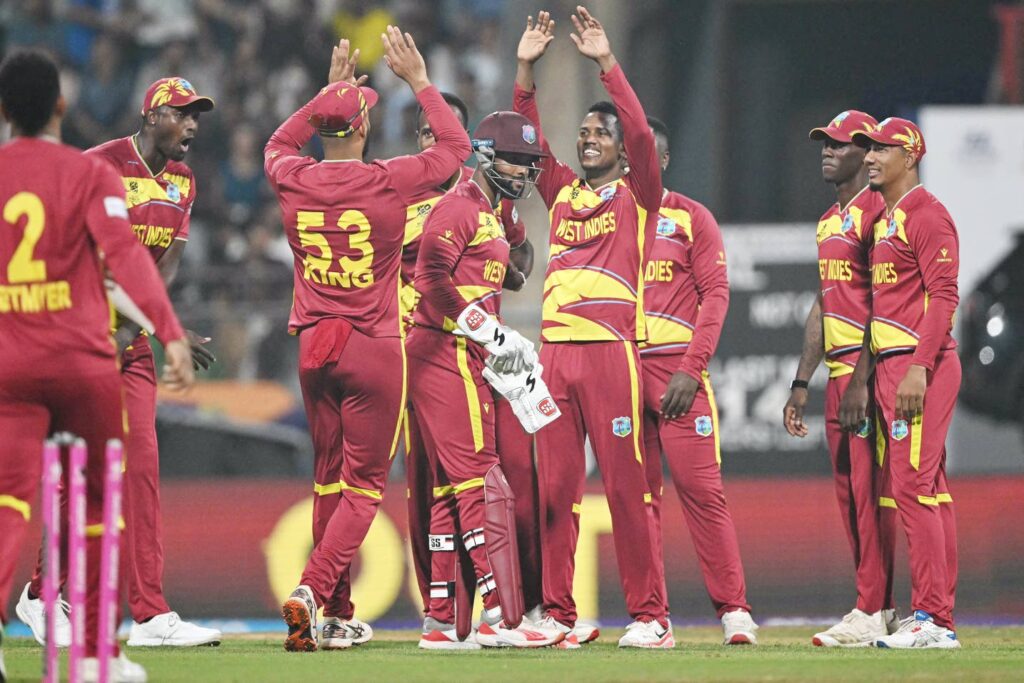
The West Indies men’s national cricket team faces an unexpected extension to their stay in India, grounded not by tournament performance but by escalating military conflict in the Middle East. Cricket West Indies (CWI) confirmed the travel disruption Monday, citing significant security threats stemming from recent military actions in the Gulf region that have forced international airspace restrictions.
The team, which concluded its participation in the ICC Men’s T20 World Cup, finds itself in a holding pattern as global aviation networks grapple with unprecedented disruptions. CWI officials emphasized that these travel constraints directly result from safety adjustments implemented by airlines facing restricted flight paths through conflict-affected airspace.
Tournament organizers at the International Cricket Council have activated comprehensive contingency plans, working alongside government authorities and airline partners to establish secure alternative travel routes. The ICC acknowledged that Dubai’s strategic position as a global aviation hub has been particularly compromised, affecting numerous teams, officials, and support staff requiring transit through Middle Eastern airports.
The aviation crisis deepened following military exchanges between the United States, Israel, and Iran over the weekend, triggering widespread airspace closures across seven nations including Iran, Iraq, Israel, and the United Arab Emirates. Dubai International Airport, among other critical aviation facilities, sustained operational impacts during retaliatory strikes.
Industry data reveals the scale of the disruption: approximately 1,560 of 3,779 scheduled flights to the Middle East were canceled Monday, following Sunday’s cancellation of 2,000 flights affecting nearly 900,000 passenger seats. The International Air Transport Association issued urgent appeals for protection of civilian air travel, invoking memories of past aviation tragedies involving military action in conflict zones.
While the West Indies squad remains safely accommodated in India, cricket authorities continue monitoring the volatile situation, prioritizing personnel safety over expedited travel. The incident highlights professional sports’ vulnerability to global geopolitical instability, with athletes becoming unintended casualties of international conflicts far from the playing field.