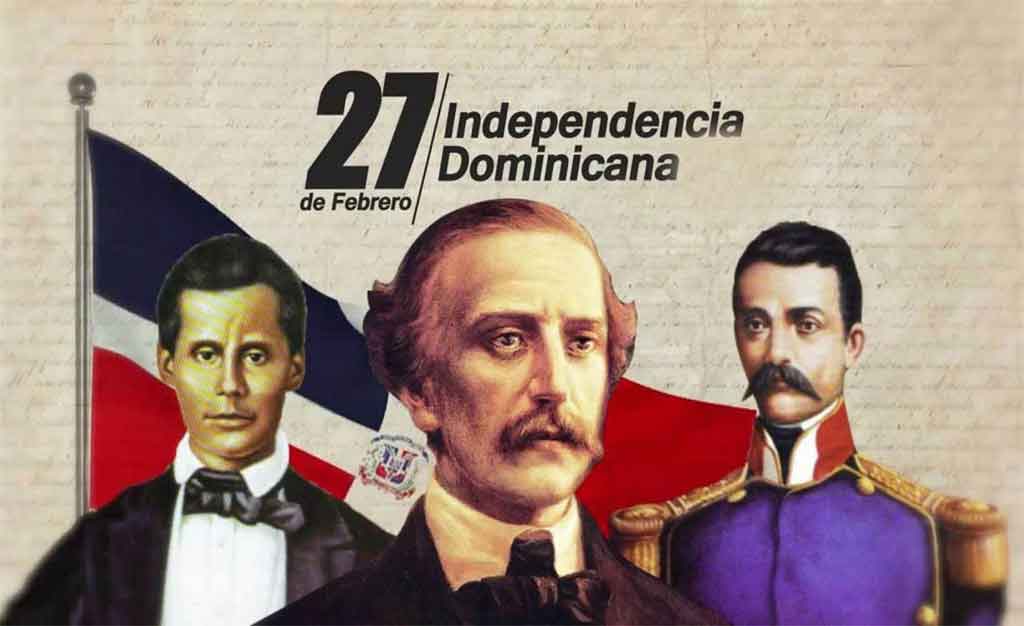
The Dominican Republic’s journey to sovereignty represents a pivotal chapter in Caribbean history, born from a determined resistance against Haitian occupation that began in 1822. The movement’s architect, Juan Pablo Duarte, established La Trinitaria—a clandestine organization composed of young patriots dedicated to reclaiming their nation’s autonomy. This secret society became the catalyst for a revolutionary campaign that would ultimately reshape the region’s political landscape.
The defining moment of independence occurred at Santo Domingo’s Puerta del Conde, where Founding Father Matías Ramón Mella fired his trabuco (blunderbuss) into the night sky. This symbolic shot, known historically as the ‘trabucazo,’ served as the prearranged signal announcing the commencement of the independence struggle. The audacious act demonstrated the revolutionaries’ unwavering commitment and immediately set in motion the events that would establish the Dominican Republic as a sovereign state.
Nearly two centuries later, this historic event remains deeply embedded in the national consciousness. The anniversary each February 27th is marked by extensive commemorations including presidential ceremonies, floral tributes at the Altar of the Fatherland, and vibrant military parades. Educational institutions participate through student processions while cultural activities across the country highlight the historical significance of the independence movement. The ‘trabucazo’ has evolved into one of the nation’s most emblematic historical moments, symbolizing both the courage of the founding generation and the enduring spirit of self-determination.