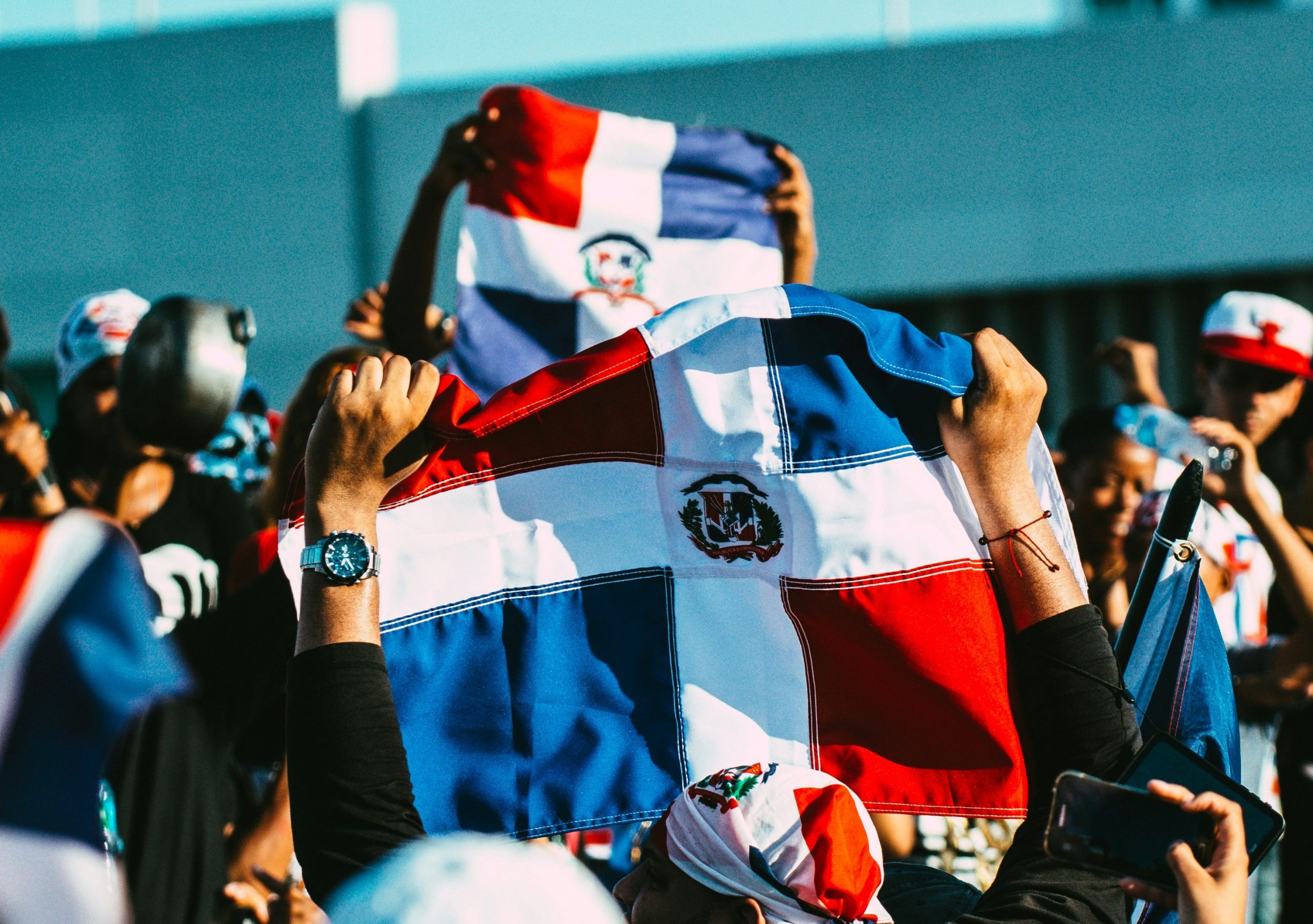
The Dominican Republic observes its 182nd National Independence Day on Friday, February 27, 2026, commemorating the nation’s hard-won sovereignty declared in 1844. This annual celebration serves as a powerful testament to the enduring principles of freedom, national identity, and self-determination that form the foundation of the Dominican state.
The path to independence distinguished itself through collaborative leadership rather than singular authority. While Juan Pablo Duarte, Francisco del Rosario Sánchez, and Matías Ramón Mella are recognized as principal architects of liberation, they operated alongside numerous patriots including Antonio Duvergé, Pedro Santana, Ramón Santana, the Puello brothers, and José María Imbert. This collective effort underscored the movement’s strength through unified action.
Duarte’s strategic vision materialized through underground organizations La Trinitaria (founded July 16, 1838) and later La Filantrópica, which became instrumental in galvanizing opposition against Haitian governance. His leadership during the 1843 anti-Boyer movement established him as a central figure in republican reform efforts, though subsequent political developments forced his temporary exile.
The movement persevered under Sánchez and Mella’s direction, culminating in the January 16, 1844 Manifesto of Independence which articulated the nation’s liberal republican framework. The definitive rebellion commenced on February 27, 1844, when Mella fired the symbolic first shot at Puerta de la Misericordia. Sánchez subsequently orchestrated the final uprising at Puerta del Conde, raising the national flag in the early hours of February 28 under the enduring motto “God, Fatherland, and Liberty.”
Post-independence, Sánchez’s presidency of the Central Governing Board provided crucial guidance during the nation’s formative period. The successful revolution demonstrated how shared purpose and coordinated effort could achieve national liberation against formidable challenges.
Today’s anniversary transcends historical remembrance, serving as both a tribute to the Founding Fathers’ legacy and a contemporary call to uphold their ideals. It reinforces the continuing relevance of unity and collective responsibility in advancing national progress and democratic development.