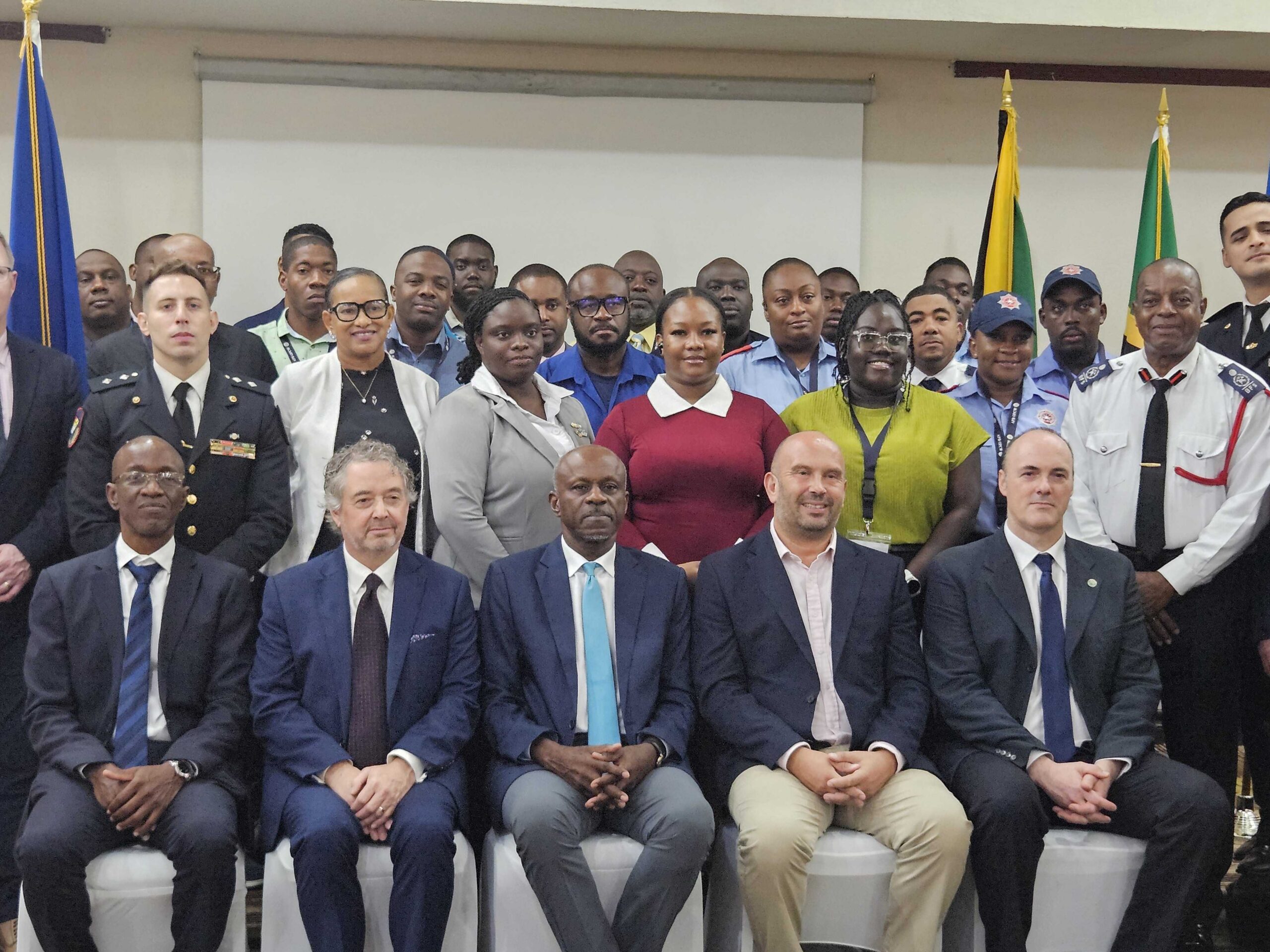
Barbados is hosting a critical multinational training initiative to enhance chemical threat response capabilities across the Caribbean region. The program, organized by the Organisation for the Prohibition of Chemical Weapons (OPCW) with UK government support, brings together emergency responders from multiple Caribbean nations for advanced technical training.
Despite the absence of active chemical weapons threats or stockpiles in the region, experts emphasize the Caribbean’s strategic vulnerability as a major transit corridor for hazardous materials. Anthony Headley, Director of Barbados’ Environmental Protection Department, explained that while chemical warfare terminology may seem unusual for service-based economies, the detection and response methodologies remain identical for both weapons and industrial accidents.
The intensive training program provides hands-on experience with specialized detection equipment, protective gear, and contamination management techniques. Participants from various Caribbean states learn practical skills from international instructors representing North America, Europe, and Argentina.
Headley highlighted the region’s particular vulnerability: “The Caribbean serves as a significant trans-shipment point. While we don’t manufacture chemical weapons, the precursor chemicals used in their production transit through our waters regularly. This makes technical preparedness absolutely critical.”
UK Ministry of Defence representative Clive Rowland clarified that while no imminent chemical weapons threat exists in Barbados, the 2018 Salisbury attack demonstrated how chemical incidents can occur unexpectedly anywhere. He noted that dangerous substances can be improvised from common agricultural products, making comprehensive training essential.
The collaboration builds on Barbados’ longstanding partnership with UK authorities dating to 2007, which has already trained 68 professionals including three instructor-level experts. The program’s effectiveness was demonstrated during actual incidents including a white powder scare at the National Union of Public Workers and a recent chemical fire.
British High Commissioner Simon Mustard reaffirmed the UK’s commitment to global chemical weapons prevention, noting London’s £2.8 million contribution to OPCW operations in Syria. He reiterated the UK’s condemnation of chemical weapons use “by anyone under any circumstances,” emphasizing that the threat persists despite near-universal adherence to the Chemical Weapons Convention.