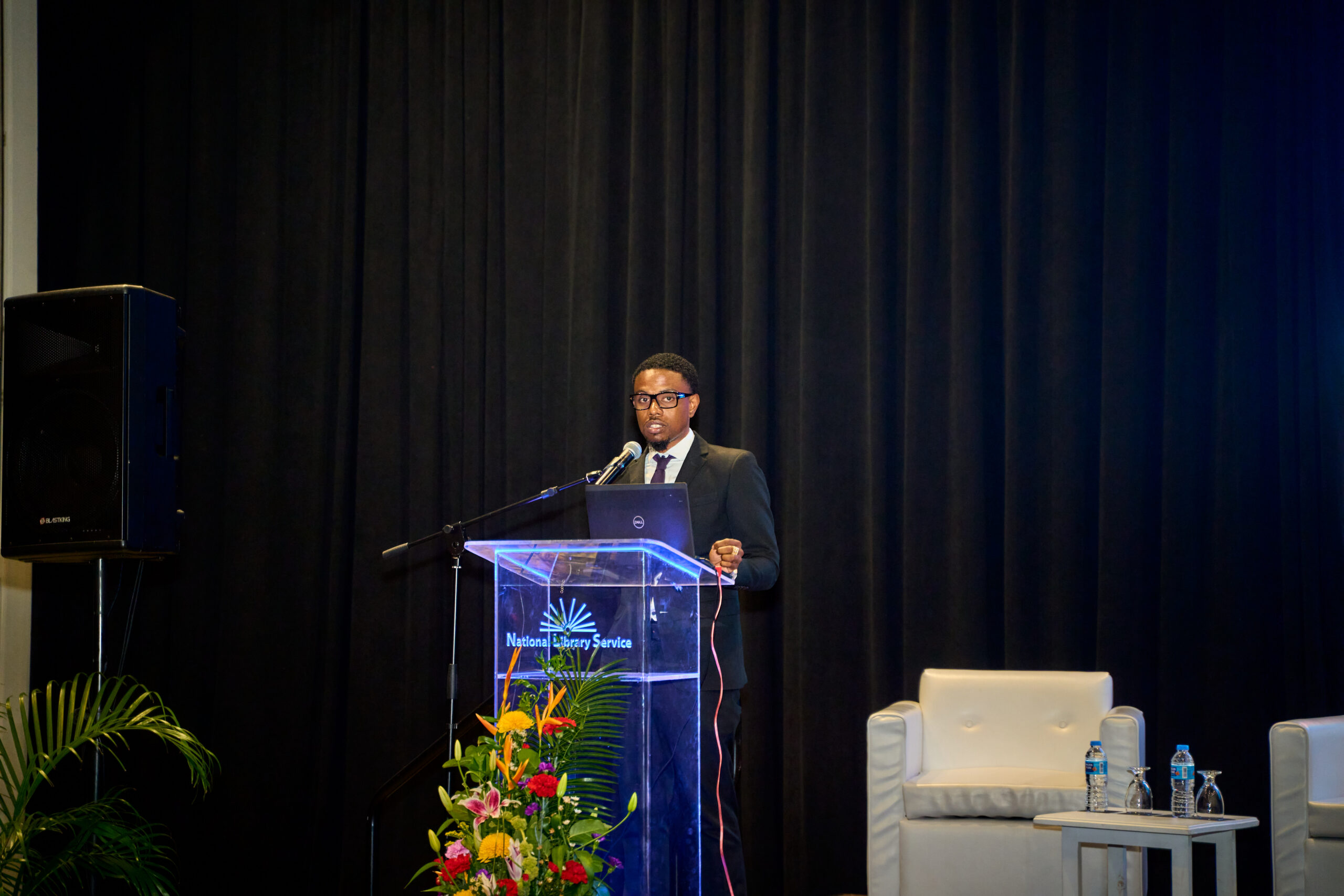
Barbados is spearheading a radical transformation of its library system to meet the demands of the digital age, with government officials calling for libraries to evolve into dynamic centers of technological empowerment. The compelling vision was unveiled by Senator Shane Archer, Minister of State for Youth and Culture, during his keynote address at the National Library Service’s inaugural symposium, “The Future of Libraries: Embracing Technology, Strengthening Community Engagement and Sustaining Development in a Digital Era,” held at the Hilton Barbados Resort.
Senator Archer presented robust usage statistics from 2025 to demonstrate the enduring relevance of libraries, revealing over 47,000 visits, more than 16,000 users accessing computer and internet services, and over 44,000 loans processed. “These figures are proof of trust, proof of relevance, proof that Barbados still sees libraries as gateways to advancement,” he declared.
However, the Minister emphasized that maintaining this relevance necessitates bold repositioning. He articulated a forward-thinking blueprint where libraries transcend their traditional role as quiet reading spaces to become comprehensive digital empowerment hubs. This transformation includes deploying AI-powered research tools, implementing digital literacy and coding workshops, and establishing innovation labs equipped with cutting-edge design software and data analytics tools.
A critical component of this vision involves AI literacy programs designed to empower youth to not merely use artificial intelligence but to actively build and regulate it. Senator Archer issued a crucial warning about the societal implications of AI, stating that equitable access to these emerging technologies is fundamental to preventing deepened inequality. “If we use our library network strategically, we can ensure that a young person in St Lucy has the same digital access as the one in Bridgetown,” he asserted, framing digital transformation as fundamentally about inclusion rather than just infrastructure.
Echoing this transformative agenda, Jennifer Yarde, Director of the National Library Service, explained that the symposium’s theme was deliberately chosen to reflect both contemporary challenges and future opportunities. She emphasized that modern libraries are “no longer defined by shelves” but function as vital centers for digital literacy, cultural preservation, and innovation support.
Yarde further highlighted the service’s commitment to inclusivity, detailing intentional design features that ensure accessibility for visually impaired individuals and those with other disabilities through assistive technologies and dignified, independent access to information.