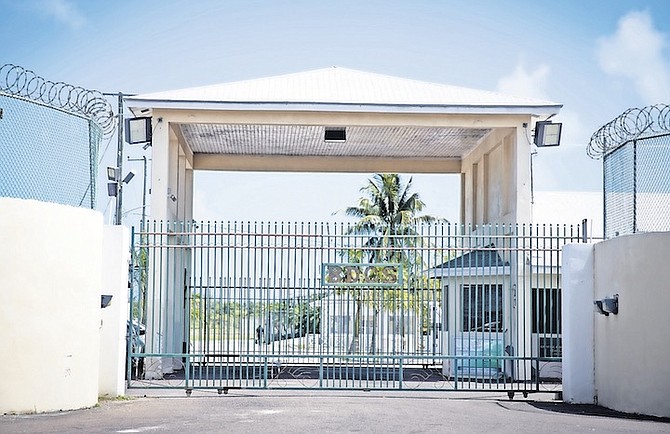
The Bahamas is confronting a severe prison overcrowding crisis driven by an influx of undocumented immigrants facing criminal charges, prompting authorities to deport 85 foreign nationals through constitutional powers of early release. National Security Minister Wayne Munroe confirmed the deportations involve Haitian, Jamaican, and American citizens, with Haitians constituting the majority.
Correctional facilities currently house 1,801 inmates—dramatically exceeding the designed capacity of 1,300—with undocumented immigrants contributing significantly to this surge. Prison Commissioner Doan Cleare revealed that the system has absorbed over 200 undocumented immigrants since last year, creating uncomfortable conditions where inmates must share cells and dormitories.
To address the crisis, the government invoked the Prerogative of Mercy—a constitutional authority allowing the reduction or cancellation of sentences through executive mercy rather than judicial process. This mechanism applies exclusively to non-violent and non-sexual offenders with relatively short remaining sentences, including immigration violations and drug offenses.
Minister Munroe explained the conditional nature of these releases: Deported inmates face permanent exile from The Bahamas unless they obtain explicit permission from immigration authorities. Violating this condition would result in immediate reimprisonment to complete their original sentences followed by redeportation.
Beyond population management, officials acknowledge this approach mitigates potential legal challenges regarding detention conditions. The United States has repeatedly criticized The Bahamas’ prison system in annual human rights reports, citing overcrowding and inadequate sanitation.
The financial burden remains substantial, with annual per-inmate costs reaching approximately $17,000 covering solely food expenses—excluding medical and dental care—placing additional strain on government resources.