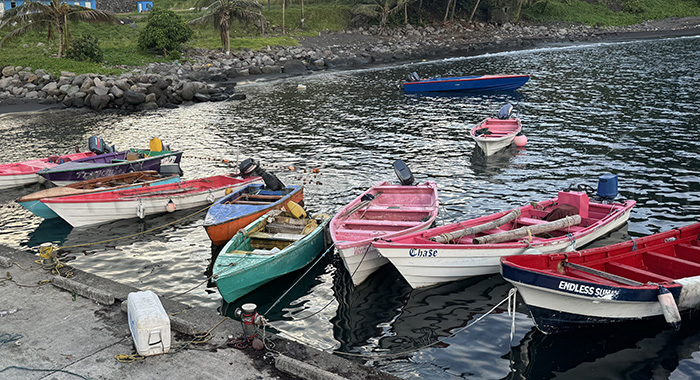
Tensions are mounting in the Eastern Caribbean as St. Vincent and the Grenadines fishermen express grave concerns over their safety and economic stability following recent U.S. military operations in regional waters. The U.S. Southern Command (SOUTHCOM) confirmed conducting multiple “lethal kinetic strikes” between February 13-16 against vessels allegedly operated by “Designated Terrorist Organizations” engaged in narcotics trafficking, resulting in 11 fatalities.
While U.S. authorities characterized the operations as targeted actions against narco-terrorists, local fishing communities report the strikes occurred dangerously close to fishing grounds. Winsbert Harry, President of SVG’s National Fisherfolk Organisation, revealed that one February 13 strike occurred approximately 9 miles from Fish Aggregating Device No. 5—a critical fishing area located about 60 miles southeast of St. Vincent in the Grenadines.
The Royal St. Vincent and the Grenadines Police Force issued a statement acknowledging public concern while attempting to reassure mariners. “The information received so far suggests that this was a targeted, intelligence-led operation and not directed at fishing vessels or ordinary maritime activity,” the statement read, emphasizing that coast guard services remain “present and alert within our maritime space.”
However, fishing representatives highlight the devastating potential impact on SVG’s blue economy—a key development pillar for the new administration. With nearly 1,000 registered fishing boats landing approximately 10 million pounds of fish valued at EC$16 million in exports last year, the industry faces significant disruption. Fishermen now fear traveling during pre-dawn hours when tuna are most active, potentially reducing catches and threatening livelihoods.
The National Fisherfolk Organisation is coordinating with regional partners including the Caribbean Network of Fisher Folk Organisations and Caribbean Fisheries Mechanism to develop a unified response. Harry emphasized the need for “one voice to CARICOM” to address security operations that endanger civilian fishing activities in shared Caribbean waters.