CLARENDON, Jamaica — The Jamaican parish of Clarendon is witnessing a remarkable transformation from violence-plagued communities to models of social regeneration, with murder rates plummeting by 75% over an eight-year period through targeted interventions.
According to data from the Jamaica Constabulary Force, Clarendon recorded 169 homicides in 2017. This number dropped progressively to 104 in 2023 before reaching a milestone low of 41 murders in 2025—representing a dramatic 59.4% reduction from the previous year and a 75% decrease from 2017 levels.
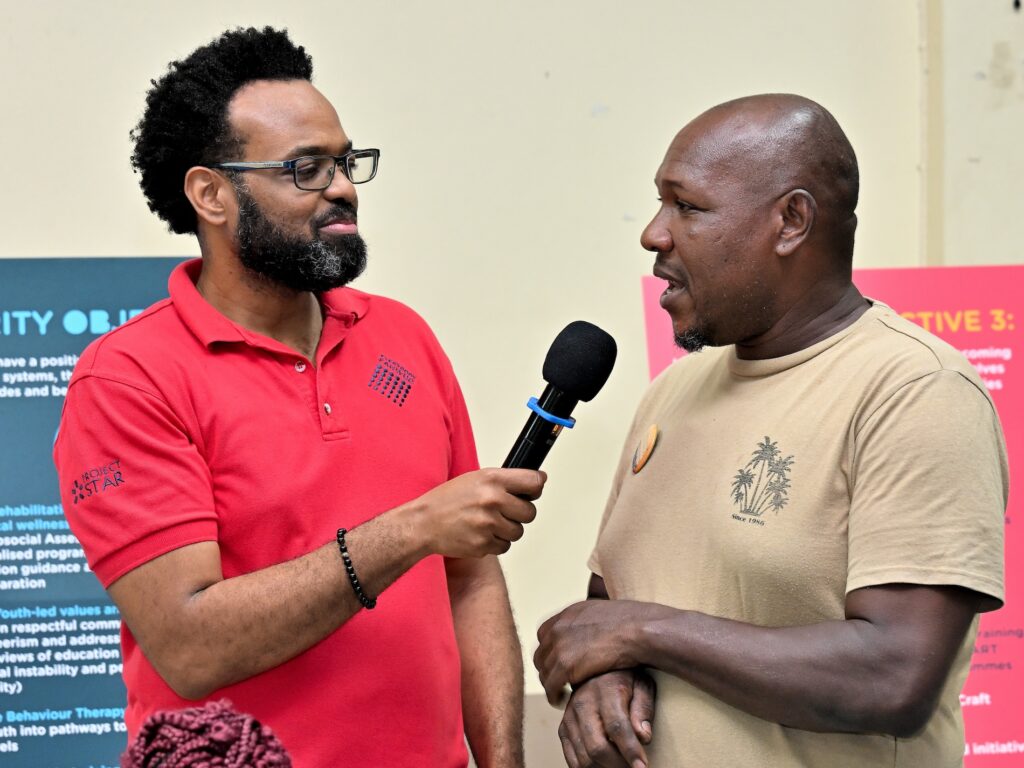
Sergeant Leroy Chambers of the JCF described the achievement as “significant and encouraging” during a recent town hall meeting organized by Project STAR, emphasizing that the crime reduction strategy was meticulously planned rather than accidental. “These communities were not selected out of a hat,” Chambers stated. “They were selected based on data showing urgent need for change.”
The turnaround strategy employed sophisticated crime mapping to identify hotspots requiring immediate intervention, particularly areas where youth-related crimes were prevalent. Initial focus communities included Treadlight, Racetrack, and Havana Heights, with Cherry Tree Lane added later as assessments revealed interconnected violence patterns.
Project STAR’s multifaceted approach extends beyond policing to address root causes of social instability. Community Hubs have provided vital documentation services, assisting residents in obtaining birth certificates—many for the first time—enabling access to education, employment, and government services. In one notable case, a four-year-old previously unable to attend school due to documentation issues is now enrolled.
The program’s Male Mentorship Initiative identifies respected community figures and equips them to guide at-risk youth. “These men already have influence,” explained Romel Gordon, Project STAR’s community services coordinator, “and now they’re using that influence positively.” Early outcomes show increased participation in behavior change sessions and strengthened peer support networks.
Another flagship program, Kicking Forward Football, uses sports engagement for boys aged 8-16 as an entry point for leadership development, conflict resolution training, and reproductive health education. While acknowledging challenges in fully engaging participants in personal development components, organizers are refining their approach for deeper impact.
Economic empowerment initiatives have trained over 170 individuals in job readiness skills, with more than 70 participants securing employment through partnerships with major call centers and production firms. Additional training programs in customer service, administrative support, and entrepreneurial skills are currently in development.
Sergeant Chambers urged continued community support, emphasizing that sustained collaboration and data-driven interventions are proving essential not only for crime reduction but for restoring hope and opportunity across Clarendon, bringing Jamaica closer to its Vision 2030 goals of creating safe communities for living, working, and raising families.