JAMAICA’S SOCIAL PROTECTION PROGRAM RECEIVES INTERNATIONAL ACCLAIM AT GLOBAL CHILD LABOR SUMMIT
KINGSTON, Jamaica – Jamaica’s Programme of Advancement Through Health and Education (PATH) has garnered significant international recognition as a Caribbean model for preventing child labor during the ongoing 6th Global Conference on the Elimination of Child Labour in Marrakesh, Morocco.
A high-level Jamaican delegation from the Ministry of Labour and Social Security (MLSS) is currently representing the nation at the prestigious gathering from February 11-13, 2026, where global leaders are convening to address the pressing issue affecting approximately 138 million children worldwide.
The conference has highlighted education and child protection as fundamental pillars in effective strategies to combat child exploitation. During pivotal discussions, Caribbean employer representative Ronald Ramlogan of Trinidad and Tobago formally acknowledged PATH as the regional benchmark for excellence in social protection initiatives.
Administered by Jamaica’s MLSS, the pioneering program implements conditional cash transfers to economically vulnerable families while supporting nutritional initiatives through school feeding programs. A cornerstone of its effectiveness lies in mandating compulsory school attendance, thereby simultaneously addressing poverty barriers while strengthening educational participation as preventive measures against child labor.
Jamaica’s participation extends beyond PATH recognition. Labour Minister Pearnel Charles Jr. recently showcased Jamaica’s innovative Child Labour Risk Identification Model (CLRISK) during virtual discussions focused on Caribbean eradication strategies. This evidence-based tool enables targeted community-level interventions, positioning Jamaica as the first Caribbean nation to utilize the International Labour Organization’s risk assessment instrument within its National Action Plan for Combating Child Labour.
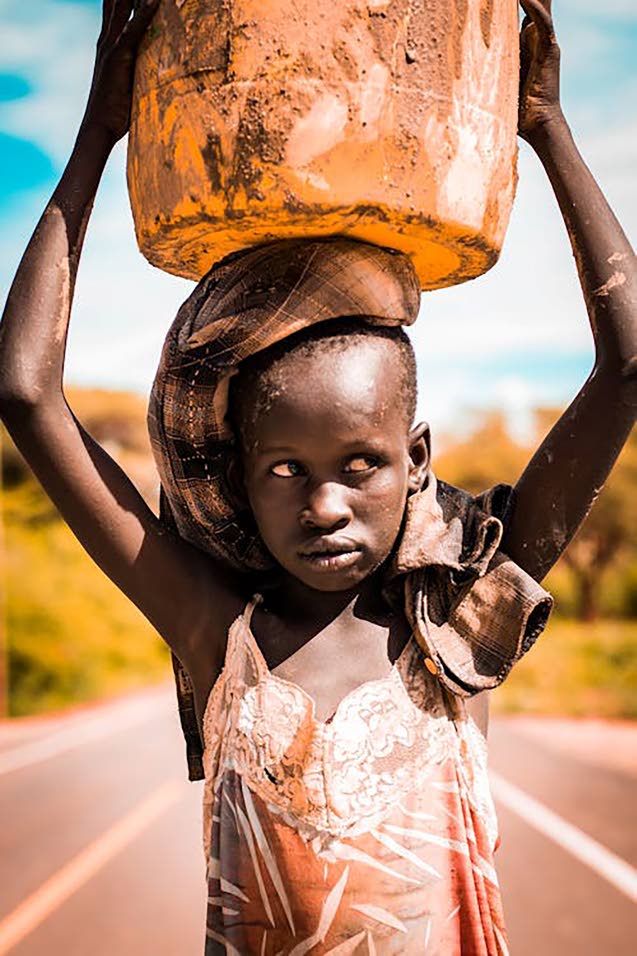
ILO Director General Gilbert Houngbo set a sobering tone during his opening address, revealing that approximately 138 million children remain trapped in labor exploitation worldwide – including 59 million girls and 78 million boys. He characterized this situation as both “a moral failure” and “an economic one” with profound implications for productivity, growth, and social cohesion.
Houngbo emphasized that 57% of affected children are between ages 5-11, with 51% of child labor occurring in agriculture. He called for improved working conditions for educators, comprehensive rural development, climate action initiatives, and specifically urged greater educational participation for girls to transition them away from unpaid labor.