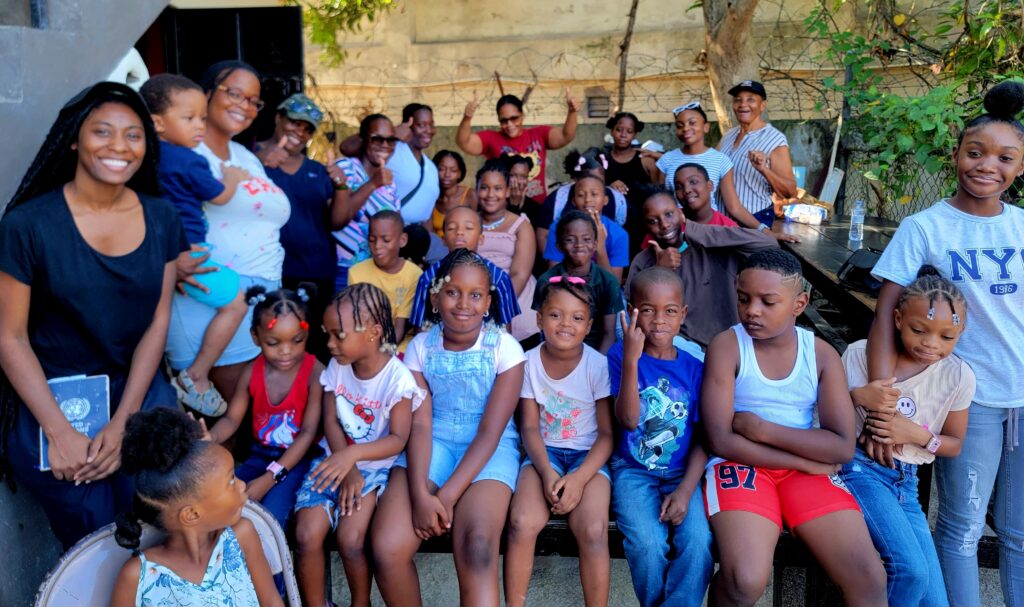
KINGSTON, Jamaica — A pioneering youth volunteer program developed in response to Hurricane Melissa’s catastrophic impact has received international acclaim from UNESCO as a benchmark model for education in crisis situations. The United Nations Educational, Scientific and Cultural Organization formally recognized the Jamaican initiative during its International Day of Education observance, placing it among select emergency education interventions from conflict and disaster zones worldwide.
The devastating Category 5 hurricane struck Jamaica’s western regions on October 28, 2025, causing extensive damage to infrastructure and communities. In its aftermath, attorney and youth advocate Christina Williams spearheaded a coordinated volunteer mobilization effort to address both immediate relief needs and long-term recovery challenges.
Williams’ program has successfully engaged over a thousand young volunteers through strategic partnerships with organizations including JN Foundation, Jamaica Automobile Association, and St. John’s Ambulance Children’s First. The initiative initially focused on emergency response but has evolved into a comprehensive support system providing homework assistance, psychosocial support through peer-to-peer counseling, and emergency psychological first aid training.
The innovative approach addresses a critical gap in post-disaster coordination by effectively organizing youth volunteers while avoiding duplication of efforts. ‘Within that same population of people affected, there’s also a lot of strength and value that can be harnessed,’ Williams noted, challenging conventional perceptions of youth as merely victims in crisis scenarios.
Since November 2025, the initiative has conducted more than 15 missions, transitioning from immediate relief to sustained recovery operations. The program now focuses on rebuilding educational institutions and providing ongoing assistance to affected families and children.
Williams emphasized that while the emergency phase has passed, the need for specialized skills and continued support remains critical. The initiative continues to welcome volunteers who can contribute various expertise and encourages remote support through information sharing or directed donations to partner organizations.
The UNESCO recognition places Jamaica’s youth-driven model alongside crisis response initiatives from Syria, Myanmar, Afghanistan, Ukraine, and the Democratic Republic of Congo, highlighting its significance as a replicable framework for global emergency education efforts.