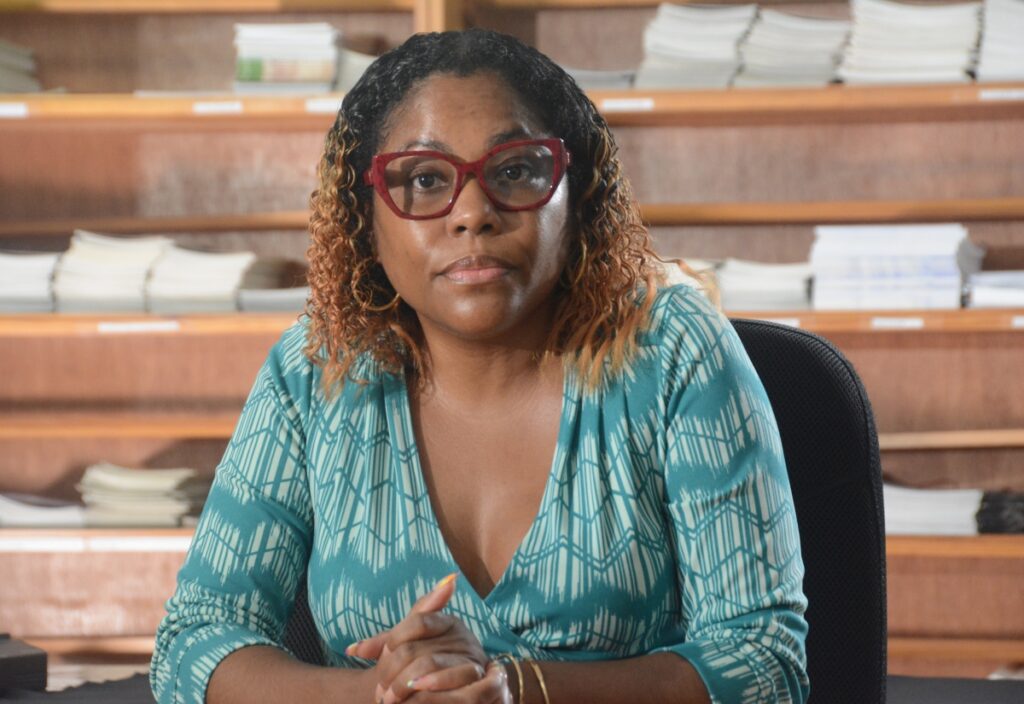
In a compelling intervention aimed at safeguarding childhood development amidst family breakdowns, Senior Clinical Psychologist Georgia Rose of the Western Regional Health Authority (WRHA) is calling upon separated parents to consciously decouple their personal grievances from their children’s need for stable parental relationships. Delivering her expert perspective in an interview with JIS News, Rose highlighted the emotional intricacies of separation, urging adults to navigate their own complex feelings while ensuring their children’s psychological welfare remains the paramount concern.
Rose articulated a critical distinction often blurred by conflict: the need to separate one’s feelings toward a former partner from the recognition of that individual’s role as a parent. She acknowledged the profound difficulty of this task, particularly for the parent bearing the lion’s share of financial, emotional, and caregiving burdens, especially when the other parent’s involvement is minimal or inconsistent.
Despite these challenges, the psychologist emphatically stated that children reap significant long-term benefits when parents demonstrate maturity and a child-centric focus. “It serves the children best when the adults are able to act in a space of growth and maturity,” Rose explained, adding that a child’s inherent right to love both parents should remain untouched by adult animosities. She noted that children possess a natural and uncritical longing for connection with both parents, often responding positively to a parent’s presence regardless of its regularity.
Addressing the legitimate emotions of the primary caregiver, Rose recognized that feelings of hurt, anger, or being underappreciated might trigger protective instincts that manifest as restricting contact with the other parent. However, she cautioned that such actions might inadvertently place children in the crossfire of adult conflicts. Instead, Rose advocated for maintaining openness to healthy parental relationships, allowing children the necessary space to form their own understanding of each parent over time, free from adult influence or pressure.
Rose concluded with a powerful formulation for conflicted parents: “You can dislike the person as a partner but respect their right to have a relationship with their child.” This approach, she emphasized, allows parents to hold conflicting emotions while still championing their child’s emotional well-being, ultimately preventing children from feeling torn between their parents and fostering healthier developmental outcomes.